Installing vinyl sheet flooring is simple when you follow the right steps. Start by preparing a
clean, level subfloor, concrete, plywood, or bathroom surfaces, each needs different prep for
a smooth finish. Measure carefully, cut the vinyl to fit, and use either adhesive, double-sided
tape, or the loose-lay method depending on the space. Smooth the sheet with a roller to
remove bubbles, trim the edges neatly, and seal seams for moisture protection. The guide
also covers tools, costs, and common mistakes to avoid, plus care tips to keep your vinyl
floors looking new for years.
When I first tried installing vinyl sheet flooring, I thought it would be easy. Just roll it out,
spread a little glue, and done right? Not quite.
A few hours in, I had bubbles under the sheet, corners lifting, and seams that didn’t line up
no matter how many times I pressed them down. That’s when I realized: installing vinyl
flooring isn’t hard, but it does demand patience, a clean base, and the right process. If your current floor is worn out, uneven, or you just want something that looks clean and
modern, vinyl sheet flooring is a great choice. It’s affordable, waterproof, and once installed
correctly, it can last for decades with almost no effort.
In this guide, I’ll walk you through how to install vinyl sheet flooring the right way
step-by-step, without wrinkles, bubbles, or wasted material. Whether you’re doing it yourself
or planning to hire help, you’ll find every detail here.
Need Help Installing Vinyl Floors?
Installing vinyl sheet flooring can be a rewarding DIY project, but it’s also easy to make small mistakes that show later. If you’d rather let professionals handle the heavy lifting, cutting, gluing, and leveling, we can help you get it done right the first time.
Understanding Vinyl Sheet Flooring Before Installation
Vinyl sheet flooring is one of the easiest and most forgiving types of flooring to work with
once you understand how it behaves. It comes in large, flexible rolls that cover your floor in
one smooth piece, which means fewer seams and fewer chances for water to sneak in.
It’s especially popular in kitchens, bathrooms, and basements because it can handle spills,
moisture, and heavy foot traffic without warping. You’ve probably seen it in home stores like
Home Depot or Menards long rolls stacked neatly, ready to be trimmed for your exact room size.
Here’s why homeowners (including me) love it:
Budget-Friendly
One of the biggest reasons I recommend vinyl sheet flooring is its affordability. You get the
look of hardwood or tile without the cost or complicated installation. Even with adhesive and
tools, it stays within budget, making it perfect for homeowners who want a stylish upgrade
without overspending.

Low Maintenance
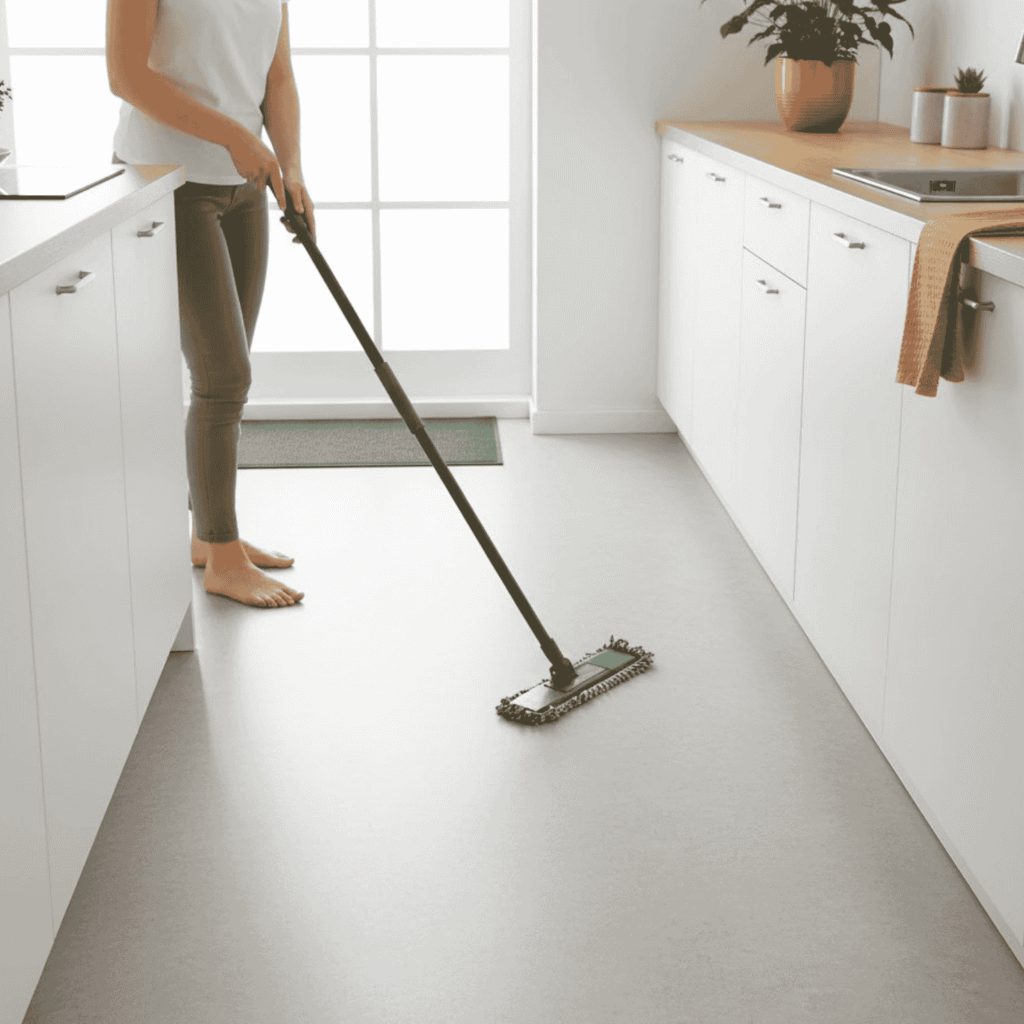
Vinyl sheet flooring doesn’t need polishing, waxing, or special cleaners. Regular sweeping
and an occasional damp mop are enough to keep it spotless. This makes it a smart choice
for families or busy homes where you want your floors to stay clean without daily effort.
Water-Resistant
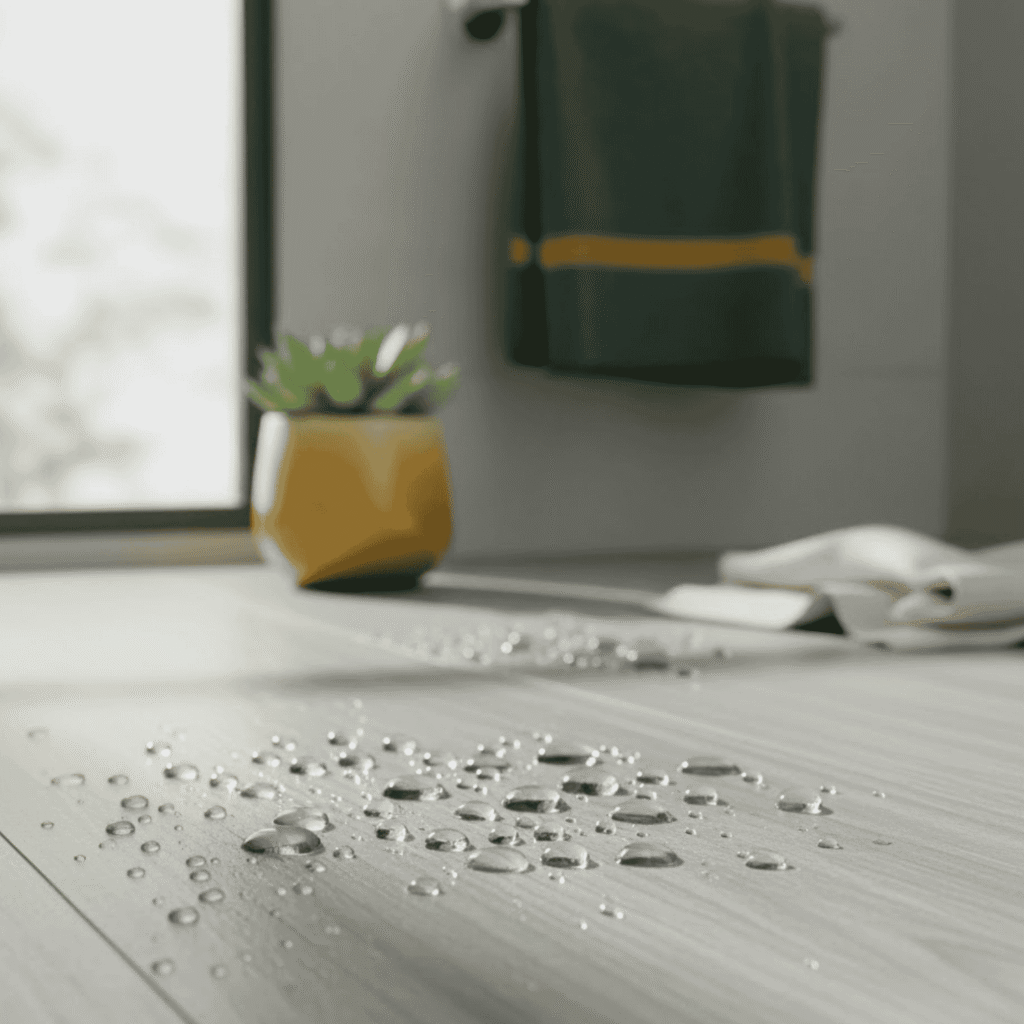
Unlike wood or laminate, vinyl can handle spills and humidity easily. That’s why I use it most
often in kitchens, bathrooms, and laundry areas. Even when water sits on it briefly, it doesn’t
warp or stain, just wipe and go.
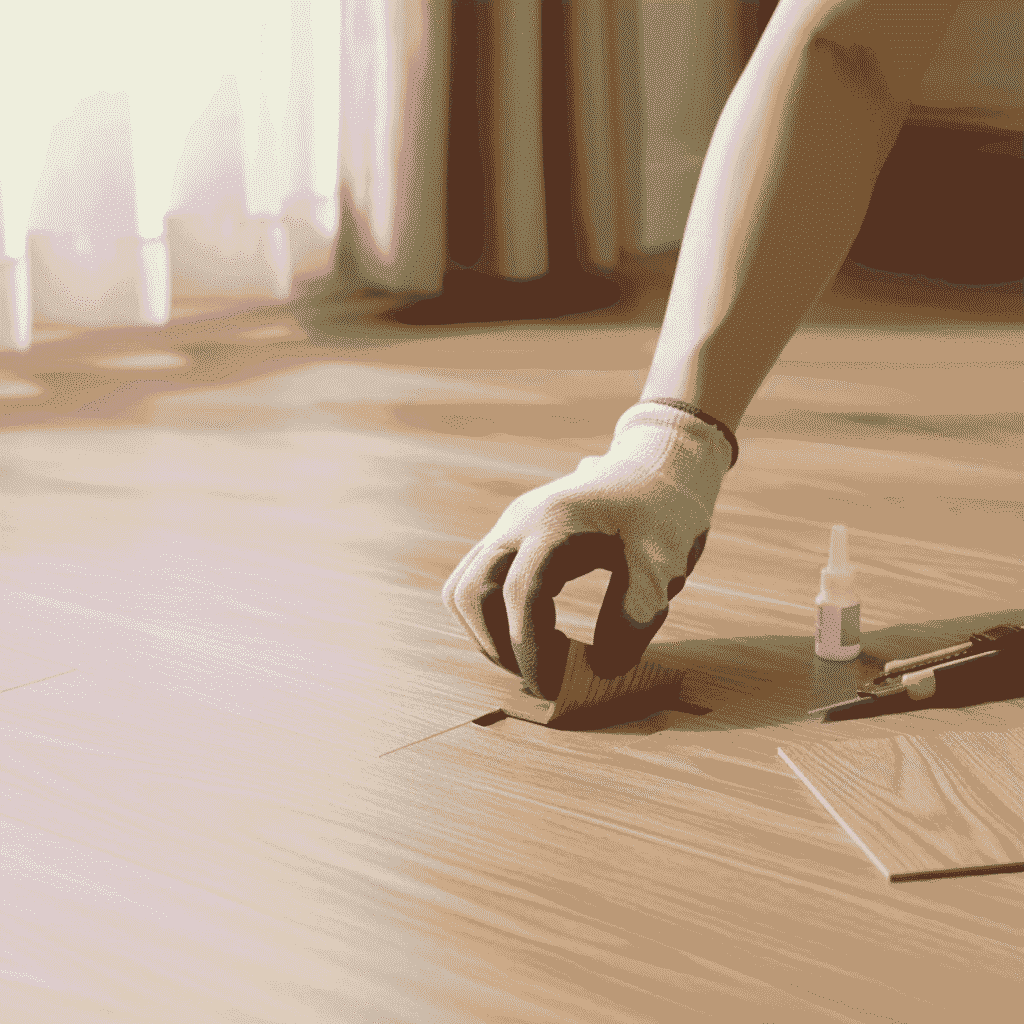
Easy to Clean and Repair
Because it’s a single sheet, there are no gaps or seams where dirt or bacteria can hide. If a
section gets scuffed, you can easily patch or replace just that part instead of tearing out an
entire floor. It’s one of the most forgiving materials you can install.
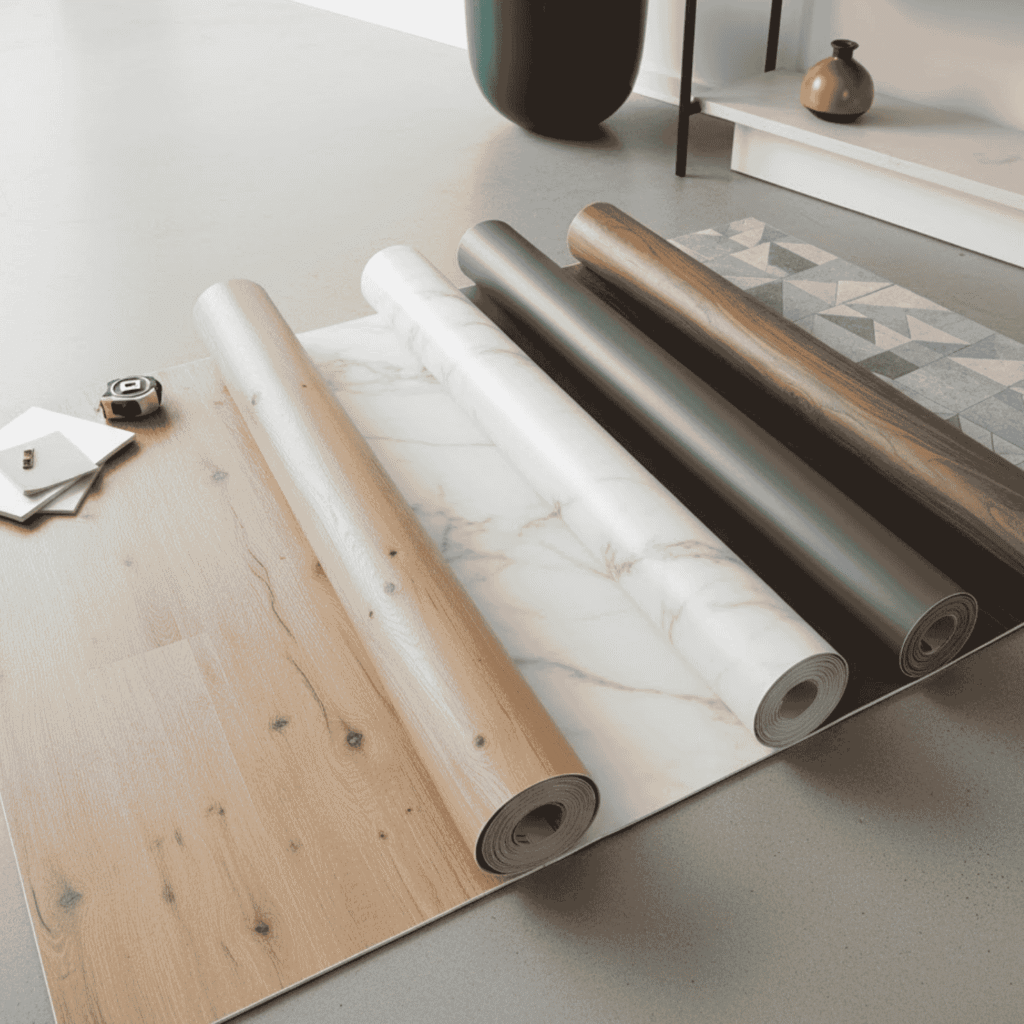
Variety in Design
From wood grain and stone finishes to simple matte colors, vinyl sheet flooring comes in
countless styles. You can match it with any home theme, rustic, modern, or minimal. Choose
a design that hides small scuffs or dust, especially for high-traffic rooms.
Pro Tip
Choose a pattern with a light texture or mild tone. It helps disguise everyday marks and keeps your floor looking fresh even between cleanings.
Vinyl Sheet Flooring Types and Which One to Choose
Not all vinyl sheet floors are the same. Each type has its own feel, strength, and best use
And knowing the difference before you buy can save you a lot of hassle later.
Here’s a quick breakdown of the main types I’ve worked with over the years and where they
fit best:
When choosing, think about your space, moisture level, and usage:
- For wet areas like bathrooms or basements, fiberglass or glue-down options are the safest.
- For comfort and warmth, cushioned vinyl feels great underfoot.
- For quick DIY projects, loose-lay makes installation simple and mess-free.
You know what?
The biggest mistake I used to make was choosing vinyl just for the pattern. Now, I always pick based on where it’ll go first style comes second. It makes the floor last longer and saves future repairs.
What to Lay Under Vinyl Sheet Flooring (Subfloor Prep)
Installing vinyl sheet flooring isn’t just about rolling it out the real success starts beneath it. A
smooth, dry, and level subfloor is what makes your floor last for years without bubbles or
uneven spots. Every flooring type needs a little different prep, depending on what’s
underneath.
Preparing a Concrete Subfloor
If your vinyl sheet flooring will go over concrete, the key is making sure it’s dry, clean, and
flat. Any moisture or cracks underneath can cause problems later.
Here’s what I usually do before laying vinyl on concrete:
● Patch small cracks or holes with concrete filler.
● Clean off all dust and adhesive residue.
● If the area is damp (like a basement), use a vapor barrier before laying the vinyl.
● Check for levelness uneven spots can make the vinyl lift or stretch.
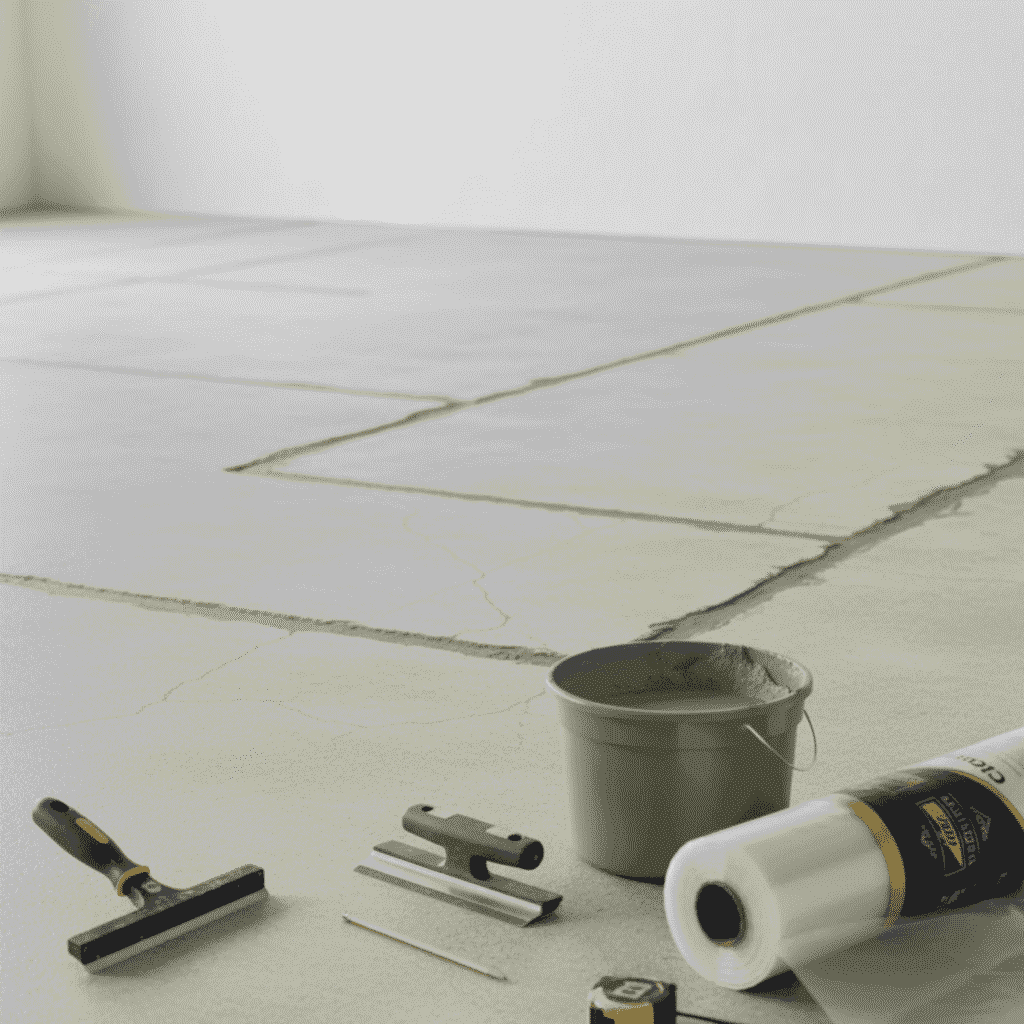
A properly prepped concrete base keeps the vinyl bonded evenly and helps prevent wrinkles
or moisture damage over time.
Preparing a Plywood or Wooden Subfloor
Wood and plywood are common bases for vinyl, but they need a little care. Vinyl is thin, so
even small dents or gaps in the wood can show through later.
Before installing, make sure to:
● Remove old staples, nails, and debris.
● Screw down any loose boards to stop squeaks.
● Fill joints or small gaps with wood filler for a flat surface.
● Lightly sand rough spots and vacuum away dust.
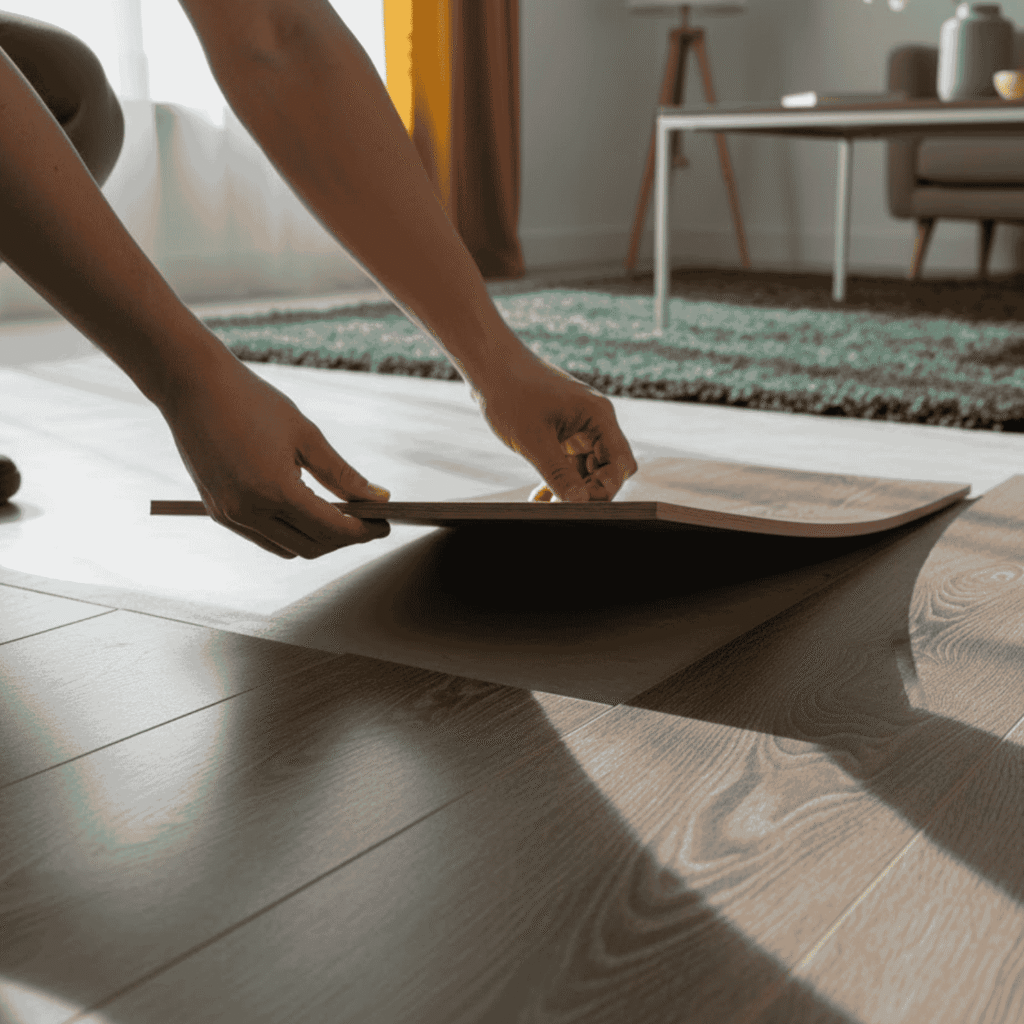
If the plywood has water damage or soft areas, replace those sections before continuing. A clean, firm base will give your vinyl a smoother, more professional finish.
Prepping Floors in Bathrooms or Kitchens
Bathrooms and kitchens are high-moisture areas, so extra attention here pays off long-term. You’ll want a completely dry and sealed surface before installation.
My go-to process:
- Check for leaks around sinks, tubs, and dishwashers.
- Dry the area completely before applying adhesive.
- Use waterproof adhesive or double-sided tape near corners and edges. ● Avoid seams directly under wet zones. Try to run the sheet continuously if possible.
A little moisture protection now can easily add 5–10 years of life to your vinyl floor.
You know what?
The biggest mistake I used to make was choosing vinyl just for the pattern. Now, I always pick based on where it’ll go first style comes second. It makes the floor last longer and saves future repairs.
How to Cut Vinyl Sheet Flooring Properly
Cutting vinyl sheet flooring might sound easy, but it’s one of the steps where small mistakes can ruin a clean finish. A wrong cut can leave gaps near walls or corners that are almost impossible to hide later.
Over time, I’ve learned that good cuts come down to patience, sharp tools, and clean lines not speed.
Here’s how to do it right:
Step 1: Use the Right Tools
A sharp utility knife or vinyl cutter gives you the cleanest results. Always use a new blade dull ones can tear or stretch the vinyl instead of slicing it.
For long, straight cuts, use a T-square or straightedge as a guide. It keeps your line perfectly even along walls or doorways.
Step 2: Mark Before You Cut
Lay the vinyl sheet flat on the floor and mark your cut lines using a chalk line or pencil. I prefer chalk because it’s easy to wipe away if you need to adjust.
For tight spots, like corners or around fixtures, trace the outline lightly first before cutting deeper.
Step 3: Cut in Layers, Not All at Once
Don’t try to slice through the vinyl in one pass. Make two or three light passes with your knife instead. This gives you better control and reduces the risk of cutting too deep into the subfloor.
Step 4: Handle Curves and Obstacles Carefully
For rounded edges (like around toilets or pipes), cut small slits in the vinyl to help it bend and fit neatly.
If you need more flexibility, gently warm the sheet with a hair dryer for a few seconds it softens the vinyl just enough to make precise curved cuts without cracking.
Step 5: Always Leave a Little Extra
When trimming edges near walls or cabinets, leave an extra half inch at first. You can make final adjustments once the vinyl is glued down and flat.
It’s much easier to cut off excess than to fix a gap.
Installing Vinyl Sheet Flooring on Concrete
Concrete floors make a strong base, but they also hold moisture and that’s what can ruin your vinyl over time if not handled right. Before anything, make sure your concrete is clean, smooth, and completely dry.
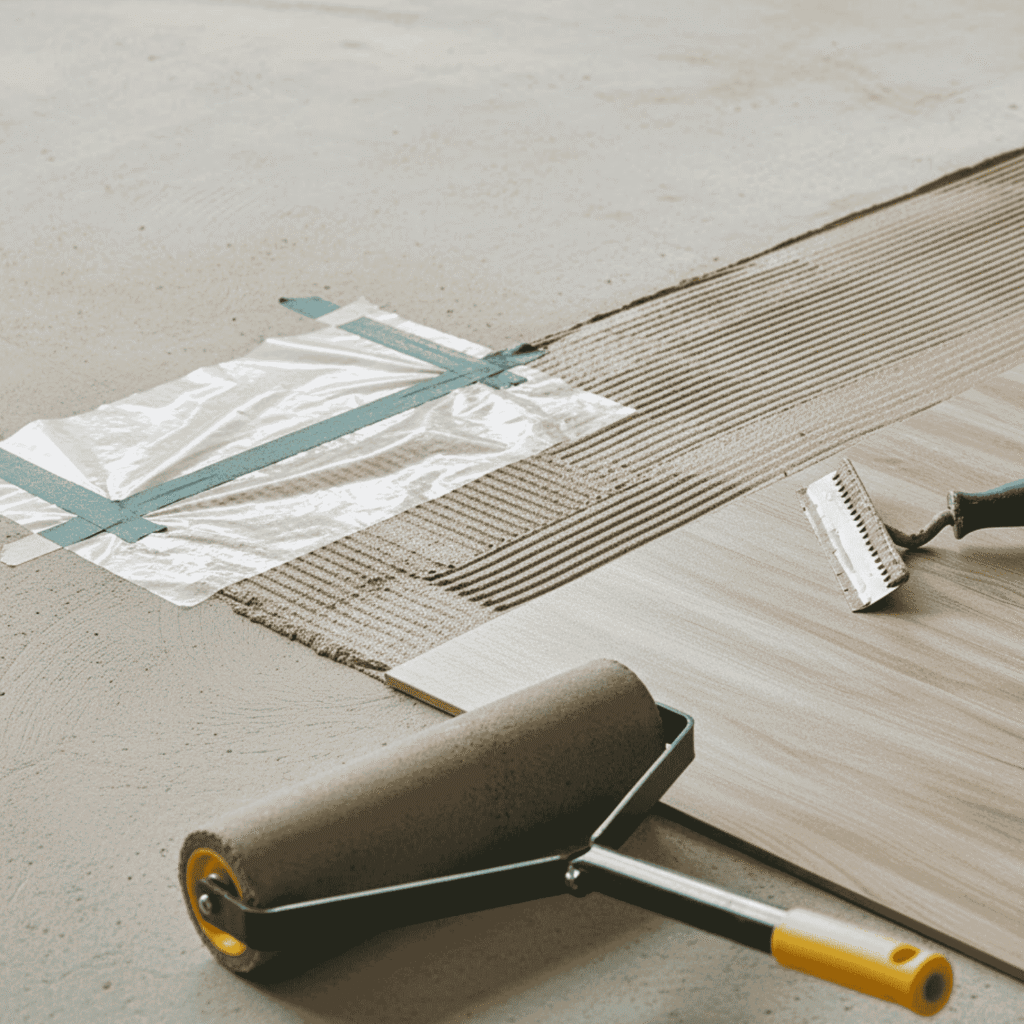
Start by taping a small plastic sheet to the floor for 24 hours. If moisture forms underneath, add a vapor barrier before installation. Once the surface is ready, fill cracks with a leveling compound and smooth it out.
Use a notched trowel to spread adhesive evenly across small sections, then press the vinyl down from the center out to the edges. Roll it with a floor roller to remove air bubbles. If you see any uneven spots, press them gently until they settle flat.
Installing Vinyl Sheet Flooring on Plywood or Wood Subfloor
Wood floors need a softer touch because they expand and contract with humidity. Make sure every nail or screw is tight before you start. Loose boards create bumps that vinyl will show later.
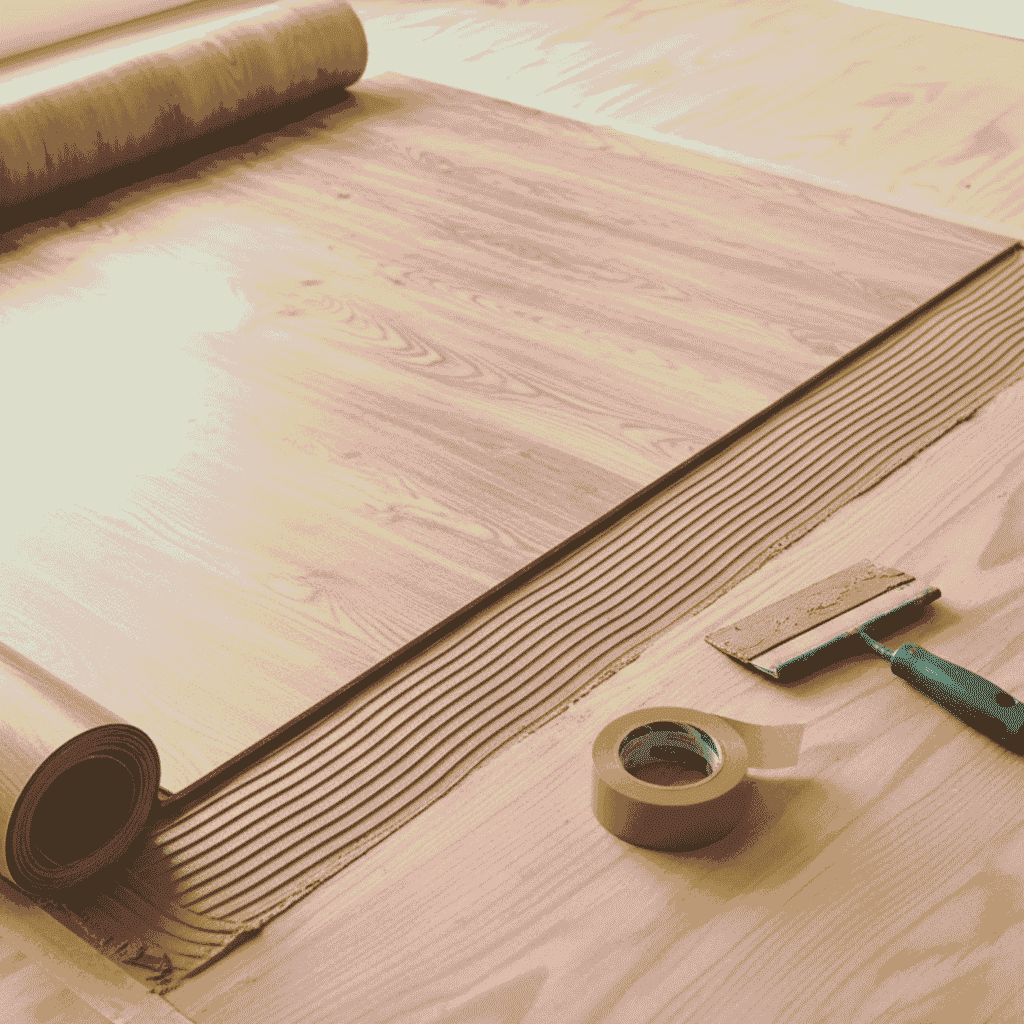
Sand down any rough spots and fill gaps with a leveling compound. Once smooth, vacuum the surface to remove every bit of dust. If you’re gluing the sheet down, apply adhesive evenly and wait until it becomes tacky before laying the vinyl.
If you’re using double-sided flooring tape instead, place strips along the perimeter and under doorways or high-traffic zones to hold everything firmly in place.
You know what?
Even one missed wood splinter can show through thin vinyl after a few weeks. Taking a few minutes to prep properly saves you from an uneven look later.
Installing Vinyl Sheet Flooring in a Bathroom or Kitchen
Bathrooms and kitchens bring extra challenges, corners, plumbing cutouts, and moisture.
The goal is a tight, sealed fit that keeps water from slipping underneath.
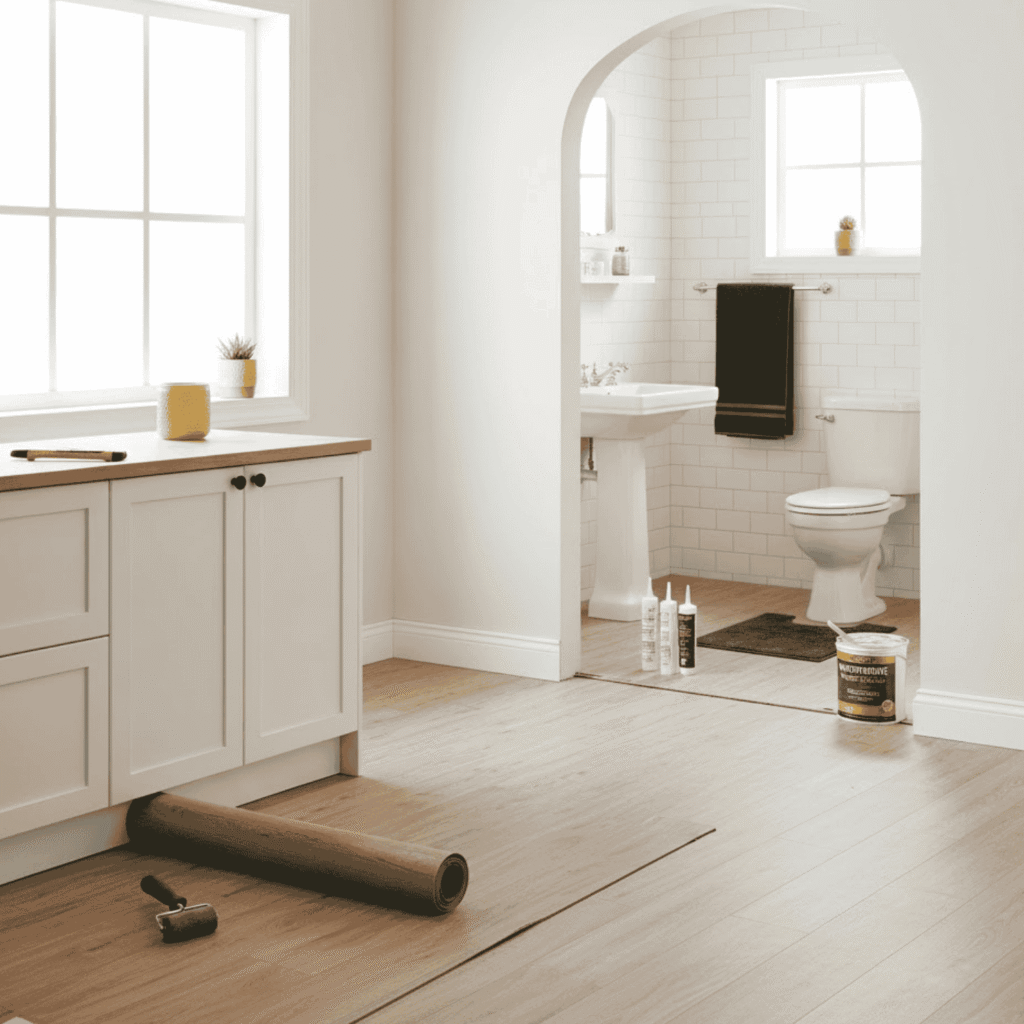
Dry-fit your vinyl sheet before applying any glue. Mark around sinks, toilets, and cabinets
carefully. It’s always better to cut smaller first and trim more later gaps are harder to fix.
Once satisfied, spread the waterproof adhesive and slowly unroll the vinyl into place. Use a
floor roller to push out air bubbles and seal edges. Finally, apply waterproof silicone or caulk
along the walls and around fixtures for long-term protection.
Installing Vinyl Sheet Flooring on Stairs
Installing vinyl on stairs needs patience and precision every edge matters. Instead of
wrapping one sheet around, cut separate pieces for each tread and riser.
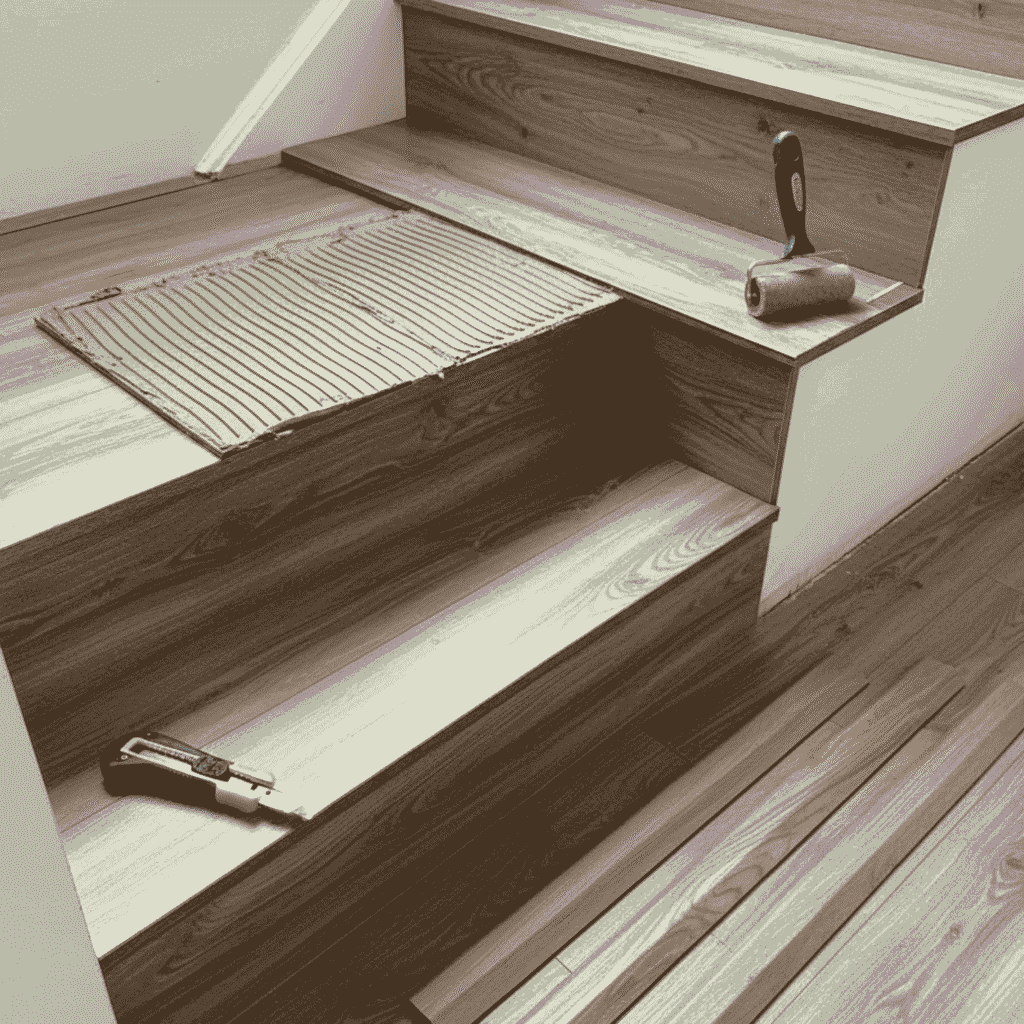
Start from the top step and work your way down. Apply adhesive on one section at a time,
press the vinyl in firmly, and smooth it with a hand roller. Trim the edges carefully for clean
corners, and use stair nosing for a neat finish and better durability.
This method takes more time, but the result looks professional and holds up against heavy
use.
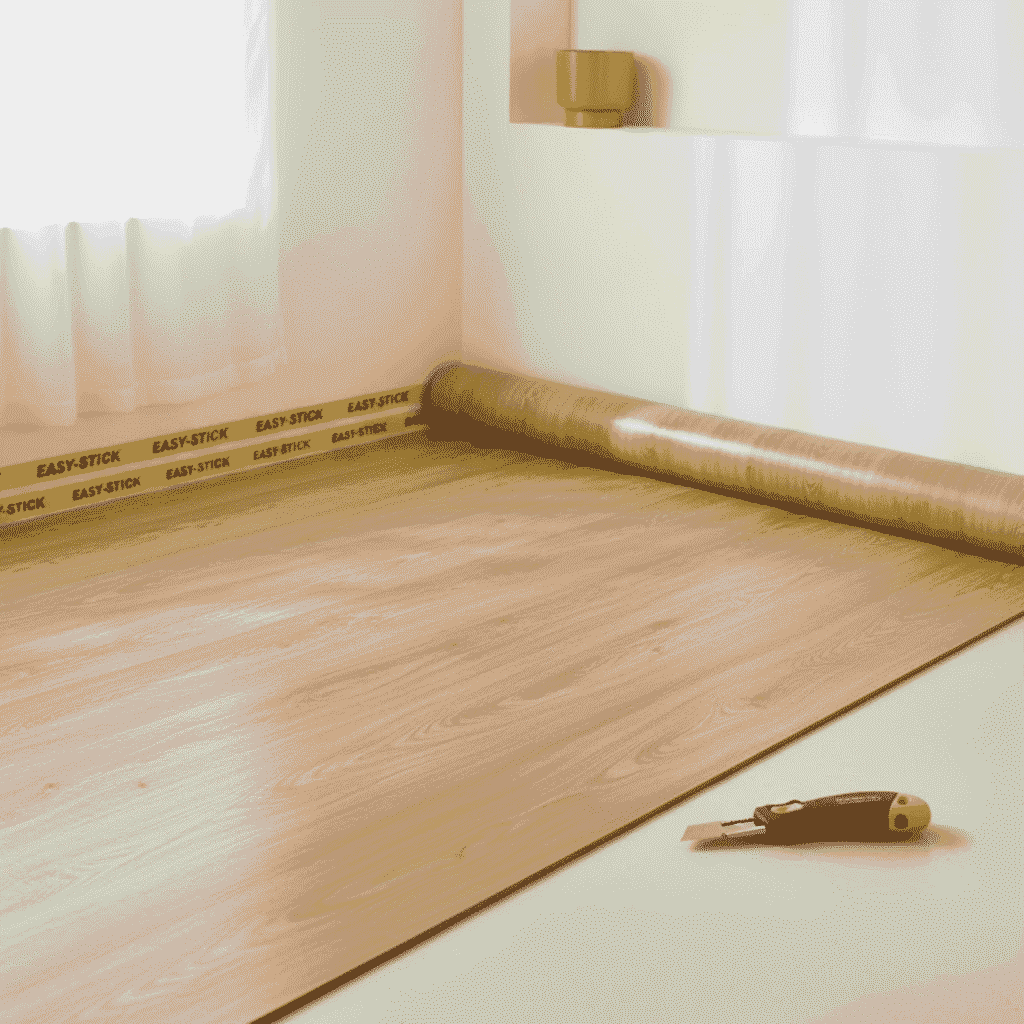
Installing Vinyl Sheet Flooring Without Glue (Loose-Lay Method)
The loose-lay method is a great option if you want a clean install without the mess of
adhesives or if you plan to replace the floor later.
Unroll your vinyl sheet and let it rest for 24 hours so it adjusts to the room temperature. Cut it
slightly larger than the floor, then trim along the edges once it lies flat. Use double-sided
flooring tape only along walls or doorways to keep it steady.
This method works best in small rooms or temporary setups. It’s fast, simple, and completely
removable.
Installing Vinyl Sheet Flooring in Basements
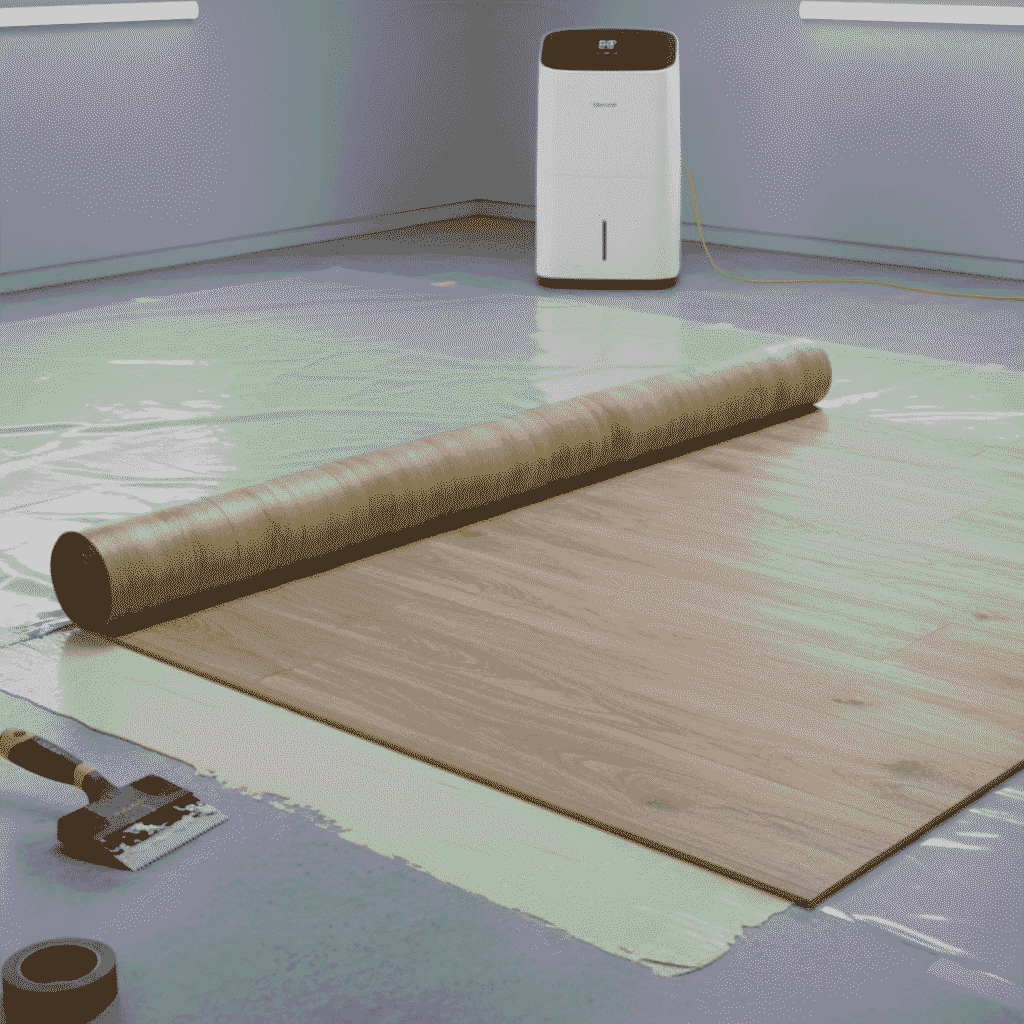
Basements need extra care because of humidity and cold surfaces. Always check for
Dampness before starting vinyl won’t stick properly to a wet floor.
Lay down a moisture barrier first, then apply waterproof adhesive designed for concrete.
Press the vinyl in firmly and roll it out evenly. Run a dehumidifier for at least 24 hours after
installation to help the glue cure and prevent future moisture buildup.
Once sealed, the vinyl will handle your basement’s environment with ease no lifting, no
peeling, just a smooth, durable surface.
Tools and Materials You’ll Need Before Installation
Before starting any flooring project, having the right tools ready makes everything smoother.
You don’t need a professional workshop, just a few reliable tools that help you measure, cut,
and secure your vinyl neatly.
Here’s what I always keep ready before installing vinyl sheet flooring:
Extra Materials That Make a Big Difference
● Leveling compound or floor patch: fixes dips, cracks, or uneven spots on concrete or
plywood.
● Silicone sealant: for waterproofing bathrooms and kitchen edges.
● Moisture barrier sheet: essential when working on concrete or basement floors.
● Adhesive remover: handy if you need to adjust or reposition vinyl mid-install.
You know what?
People often skip small things like knee pads or a seam roller, thinking they’re
optional. But these tools are what make your floor look professionally done clean
seams, smooth surface, and no marks.
How Much Does It Cost to Install Vinyl Sheet Flooring
Installing vinyl sheet flooring doesn’t have to be expensive. The cost mainly depends on the
size of your room, how the vinyl is installed, and whether you do it yourself or hire
professionals.
If you’re working on a small area like a kitchen or bathroom, DIY can save you quite a bit.
But for larger rooms or commercial spaces, hiring an expert ensures a cleaner, faster finish,
especially if your floor needs leveling or moisture sealing.
Here’s a simple cost breakdown to help you plan your budget:
Pro Tip
If you’re shopping from Home Depot or Lowe’s, they often have installation bundles where the labor, adhesive, and cleanup are all included in one package. It’s ideal if you don’t want to deal with multiple suppliers or separate contractors.
DIY vs Professional
● DIY works great for small, open rooms where there aren’t too many edges or fixtures.
● Professional help is worth it when dealing with multiple seams, stairs, or
moisture-prone areas like bathrooms and basements.
So, whether you’re spending a weekend upgrading your own space or hiring a crew,
Planning ahead keeps your project stress-free and on budget.
Common Mistakes to Avoid When Installing Vinyl Sheet Flooring
When I installed vinyl sheet flooring for the first time, I thought I did everything right until I
saw small bubbles and lifted seams a week later.
Most of the time, it’s not the material that causes issues, it’s the little things we overlook
during installation.
Here are some common mistakes I’ve seen (and made myself) along with how you can
easily avoid them:
You know what?
The best vinyl floors I’ve ever installed weren’t about rushing or fancy tools, they came out perfect simply because I took my time and checked every surface twice before rolling the sheet down. Patience really does show in the final finish.
Vinyl Sheet Flooring Maintenance After Installation
Once your vinyl sheet flooring is installed and looking perfect, the real secret to keeping it
that way is simple, consistent care. I’ve seen floors lose their shine not because of wear, but
because of the wrong cleaning habits. The good news is, vinyl doesn’t demand much. A few
small habits go a long way.
1. Clean Regularly, But Gently
Sweep or vacuum daily to remove dust and grit that can scratch the surface. Once or twice a
week, mop with warm water and a few drops of mild dish soap. Avoid harsh cleaners
because they strip away the finish and make the floor look dull.
2. Avoid Standing Water
Vinyl sheet flooring is water-resistant, not waterproof. Leaving puddles or moisture sitting too
long can weaken the adhesive underneath. If water spills, wipe it up right away. In
bathrooms or kitchens, place mats near sinks and showers for extra protection.
3. Protect from Furniture Marks
Place felt pads under furniture legs, especially chairs and tables that move often. Heavy
items can leave dents if they sit directly on the floor for too long. When moving large pieces,
lift instead of dragging.
4. Prevent Sun Fading
Even though most modern vinyl is UV-protected, direct sunlight can slowly fade its color.
Close blinds or curtains during the brightest hours of the day, or use light rugs in sunny spots
to keep the shade consistent.
5. Handle Scuffs and Stains Quickly
For light scuffs, rub gently with a damp cloth and a small amount of baking soda. For tougher
spots like shoe marks, use rubbing alcohol on a soft cloth and wipe clean afterward. Small
touch-ups like these keep your floor fresh and spotless.
6. Reseal or Re-Caulk Edges Over Time
In bathrooms and kitchens, check the silicone or caulking along the edges every few
months. If it’s peeling, replace it to stop water from slipping underneath the vinyl.
7. Deep Clean Occasionally
Every few months, give your floor a deeper clean using a vinyl-safe cleaner or a mix of warm
water and vinegar. Mop lightly, rinse with clean water, and dry the floor completely with a soft
towel to keep the finish smooth and clear.
FAQs: Quick Answers on Installing Vinyl Sheet Flooring
Not always. You can install it using either adhesive for a permanent bond or the loose-lay
method with double-sided tape for smaller rooms. It depends on your space and how long
you want it to stay in place.
Use a waterproof vinyl adhesive or pressure-sensitive glue. These hold firmly even with
humidity and splashes, keeping the flooring sealed for years.
Yes, if the old surface is clean, flat, and firmly attached. Just remove wax or dirt, fill gaps,
and sand any uneven spots before laying the new sheet.
A smooth, dry subfloor is essential. For concrete, use a vapor barrier; for wood or plywood,
make sure it’s screwed down tight and sanded smooth.
Absolutely. With patience, the right tools, and a little planning, DIY installation is simple. It’s
one of the easiest flooring types for beginners.
Clean the surface, fill cracks, and apply adhesive evenly using a notched trowel. Once set,
press the vinyl down with a roller and let it cure before walking on it.
Yes, vinyl sheet flooring is water-resistant, making it great for kitchens and basements. Just
use a moisture barrier and seal edges properly for extra protection.
Give it at least 24 hours for the adhesive to set completely. Waiting a bit longer (up to 48
hours) is even better, especially in humid areas.
Use a floor roller or gently press them out toward the nearest edge. If a bubble reappears,
Warm the spot slightly with a hair dryer and press again.
With proper care, it can last 15–25 years. Regular cleaning and keeping moisture out of the
seams will help your floor stay beautiful for decades.
Conclusion
Installing vinyl sheet flooring isn’t hard once you follow the right steps. A smooth base,
accurate cuts, and the right adhesive make all the difference.
It’s one of those projects that gives your home a new, fresh look without spending much.
Take your time, measure carefully, and let your work speak for itself.
Ready to Transform Your Space?
We help homeowners install, replace, and maintain vinyl flooring with care and precision. Whether you want guidance or a complete service, we’ll make sure your new floor looks flawless.