This comprehensive guide covers everything homeowners need to know about sustainable
flooring. Learn what makes flooring eco-friendly, key factors to consider when choosing
materials, certifications to trust, and practical tips for long-lasting, environmentally conscious
choices. Perfect for anyone looking to make their home greener without sacrificing style or
durability.
When I first started looking into flooring for my own home, I was surprised at how much
impact the material beneath our feet can have, not just on the look of a room, but on our
health and the environment too. That’s when I came across the idea of sustainable flooring,
and it completely changed the way I thought about design choices.
Sustainable flooring isn’t just a buzzword. It’s about using materials that come from
renewable or recycled sources, that last for years, and that don’t fill your home with
unwanted chemicals. For me, it meant peace of mind knowing I was making a choice that
felt right for my family and for the planet.
In this guide, I’ll walk you through what I’ve learned about what makes flooring truly
sustainable, the factors you should consider before buying, the certifications that actually
matter, and the different types of eco-friendly flooring that stand out. Think of it as a roadmap
built from both research and real-life experience, to help you make choices you won’t regret
later.
When evaluating long-term performance and environmental impact, durable laminate flooring often stands out as a practical option that balances sustainability with everyday use.
What Makes Flooring Sustainable?
When I renovated my first home, I quickly learned that not all “eco-friendly” floors are truly
green. Real sustainable flooring has a few key qualities.
Bamboo grows quickly and can be harvested without harming forests, yet it lasts for
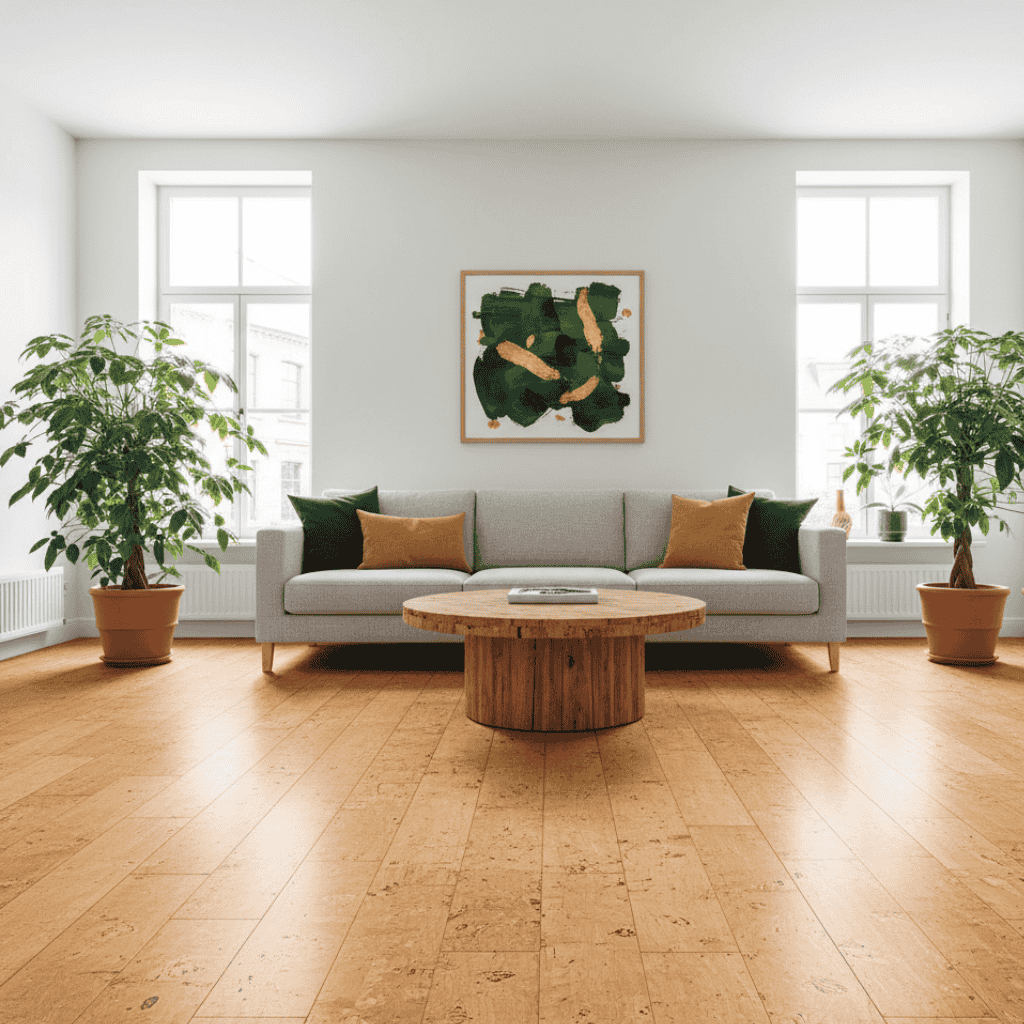
decades. Cork comes from trees that aren’t cut down, so harvesting doesn’t damage the
ecosystem. Reclaimed wood gives old timber a second life, while linoleum naturally
decomposes at the end of its life.
Durability is just as important as a long-lasting floor, which reduces waste and replacement costs. I
Also look for floors made locally, shipped responsibly, and using minimal chemicals to keep
their environmental impact low.
Ready to upgrade to sustainable flooring?
Explore eco-friendly options that offer long-lasting performance, beautiful designs, and real environmental benefits. Start making a greener, smarter choice today.
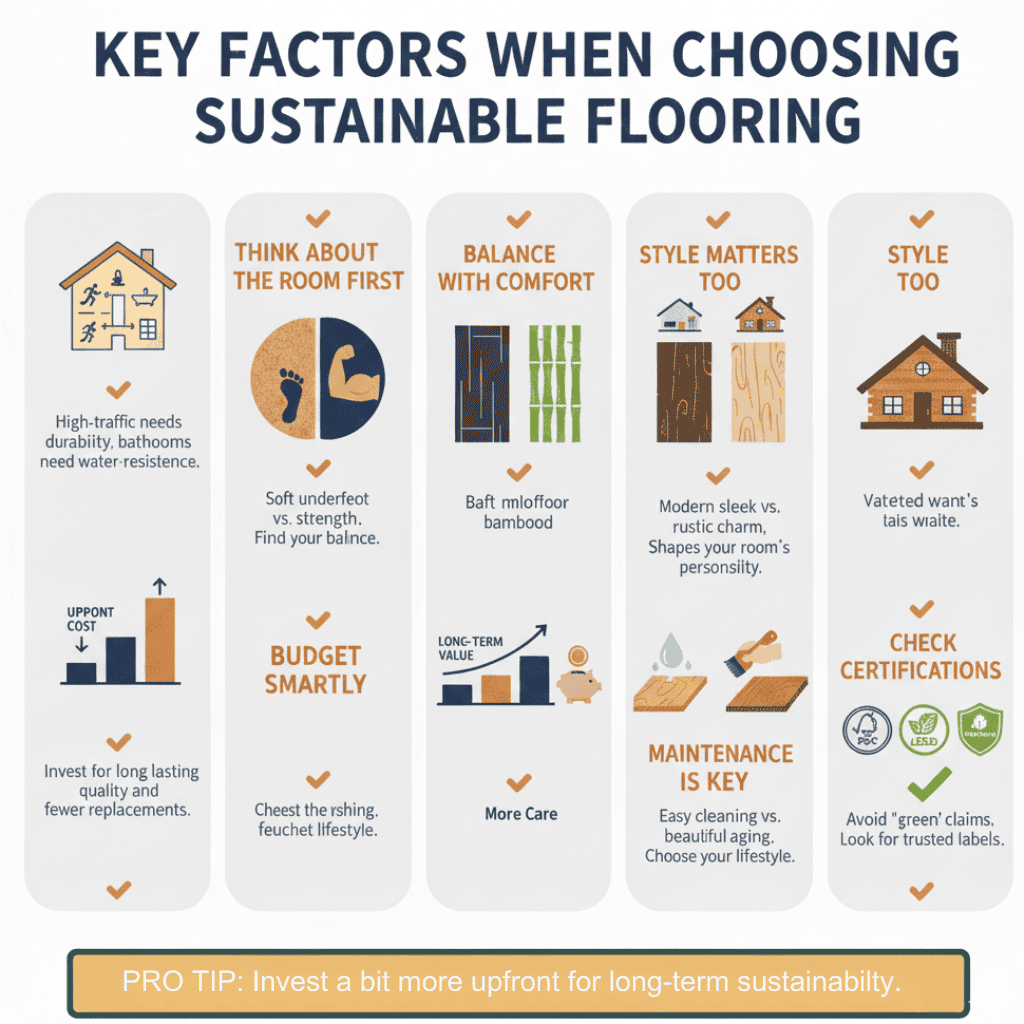
Key Factors When Choosing Sustainable Flooring
Picking sustainable flooring felt overwhelming at first. I didn’t want to spend money on
something that would wear out quickly or claim to be “green” without proof. Here’s what I’ve
learned over the years:
Think about the room first.
High-traffic hallways need tough materials, while bathrooms and basements require
water-resistant floors. Choosing the right floor for the right room saves frustration.
Balance durability with comfort.
I love cork for its soft feel underfoot, but bamboo is perfect where I need strength.
Finding that balance makes daily life more enjoyable.
Style matters too.
Your flooring shapes the room’s personality. Modern homes benefit from sleek
bamboo, while reclaimed wood adds a cozy, rustic charm.
Budget smartly.
I used to focus only on upfront cost, but I learned that a slightly higher investment
often pays off through long-lasting quality and fewer replacements.
Maintenance is key.
Low-maintenance floors like LVT are lifesavers in busy areas. Natural wood might
need more care, but it ages beautifully if maintained properly.
Check certifications.
Avoid floors that just “claim” to be eco-friendly. Look for trusted labels like FSC,
LEED, or FloorScore to ensure your choice is genuinely sustainable.
These lessons helped me make smarter, more confident decisions. And they can help you
too, choosing a floor that’s right for your lifestyle and the environment doesn’t have to be
complicated.
Pro Tip
Spending a little more upfront on durable, eco-friendly flooring is worth it. High-quality sustainable materials last longer, resist damage better, and save you money on repairs and replacements over the years.
Certifications and Standards to Trust
When I first started shopping for sustainable flooring, I quickly realized that labels and
certifications can be confusing, but they’re actually your best friends if you want a truly
eco-friendly choice. Over the years, I’ve learned to look for these trusted certifications.
FSC (Forest Stewardship Council)
This ensures the wood comes from responsibly
managed forests. I always check for the FSC logo when considering hardwood or
bamboo, it gives peace of mind that the forest is being cared for.
LEED credits
Flooring that contributes to LEED certification helps your home meet
green building standards. I’ve noticed that choosing materials with LEED points often
pushes me toward higher-quality, sustainable options.
FloorScore and GreenGuard
These certifications focus on indoor air quality and
low VOCs. Personally, I never skip checking these. Your eco-friendly floor shouldn’t
make your home unhealthy.
Cradle to Cradle Certified®
This one’s about the full life cycle materials are
designed to be reused or safely composted at the end of their life. I like knowing the
floor won’t just end up in a landfill.
Eco-Institut
This European certification also ensures low chemical emissions and
environmental friendliness. I’ve used it as a secondary check when shopping for
imported flooring.
In my experience, relying on these certifications removes the guesswork and protects you
from greenwashing. A floor that carries one or more of these marks isn’t just marketed as
“green” it truly meets strict environmental and health standards.
Popular Sustainable Flooring Type
Over the years, I’ve tried and researched many eco-friendly floors, and a few stand out for
both style and sustainability. Choosing the right sustainable flooring starts with
understanding the main types available. Each option has its own benefits, durability, and
aesthetic, so knowing the differences helps you pick the best one for your home and
lifestyle.
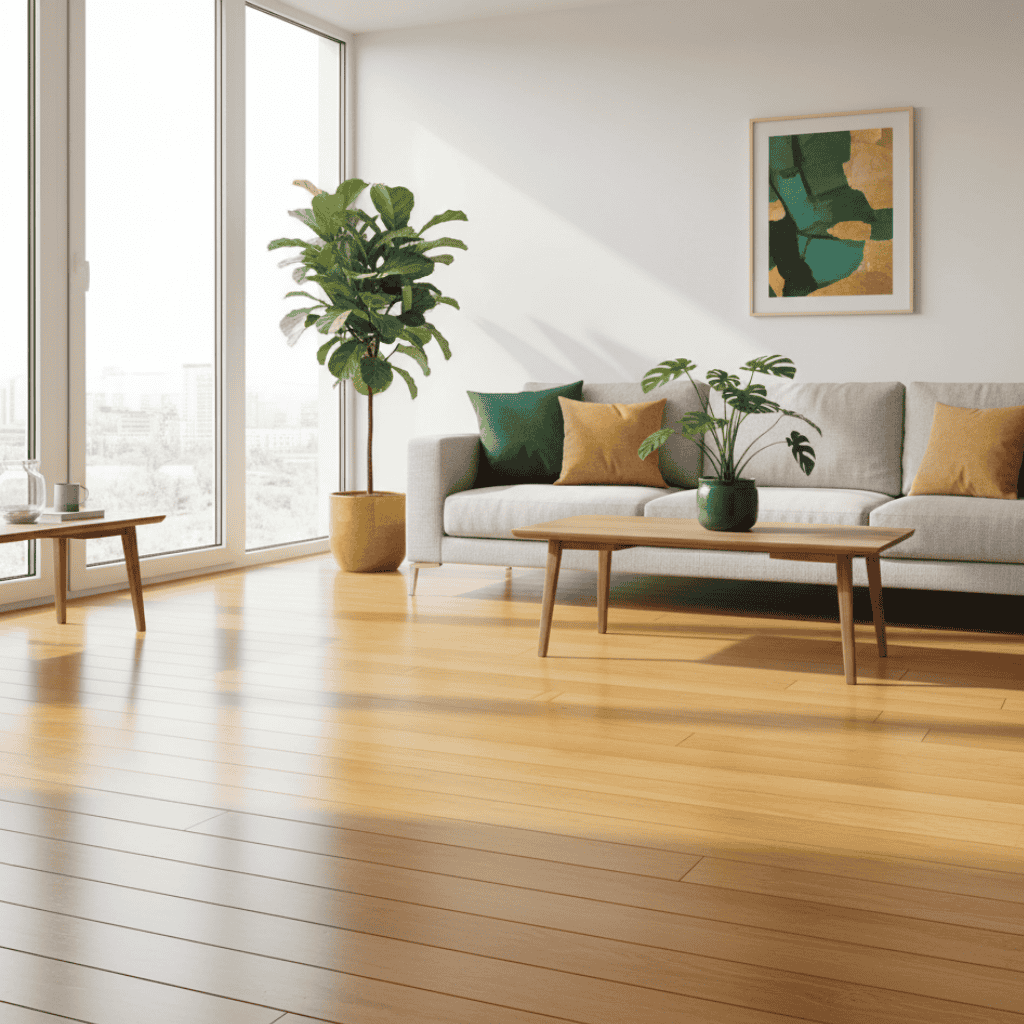
Bamboo Flooring
Bamboo grows very quickly, making it highly renewable. It is strong and durable, perfect for
high-traffic areas, and adds a sleek, modern look to any room.
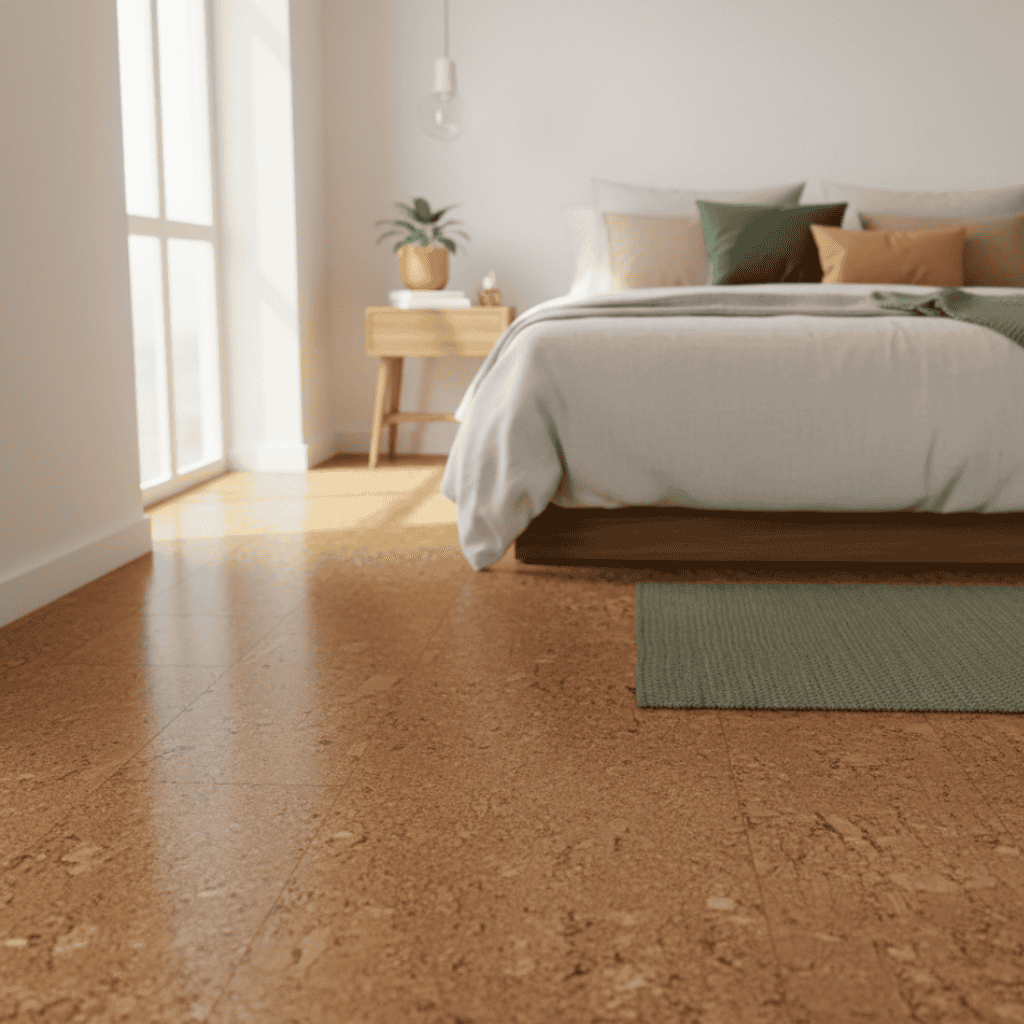
Cork Flooring
Cork is soft underfoot and naturally insulating, adding comfort to bedrooms and living
spaces. It is harvested without cutting down trees, making it an eco-friendly choice.
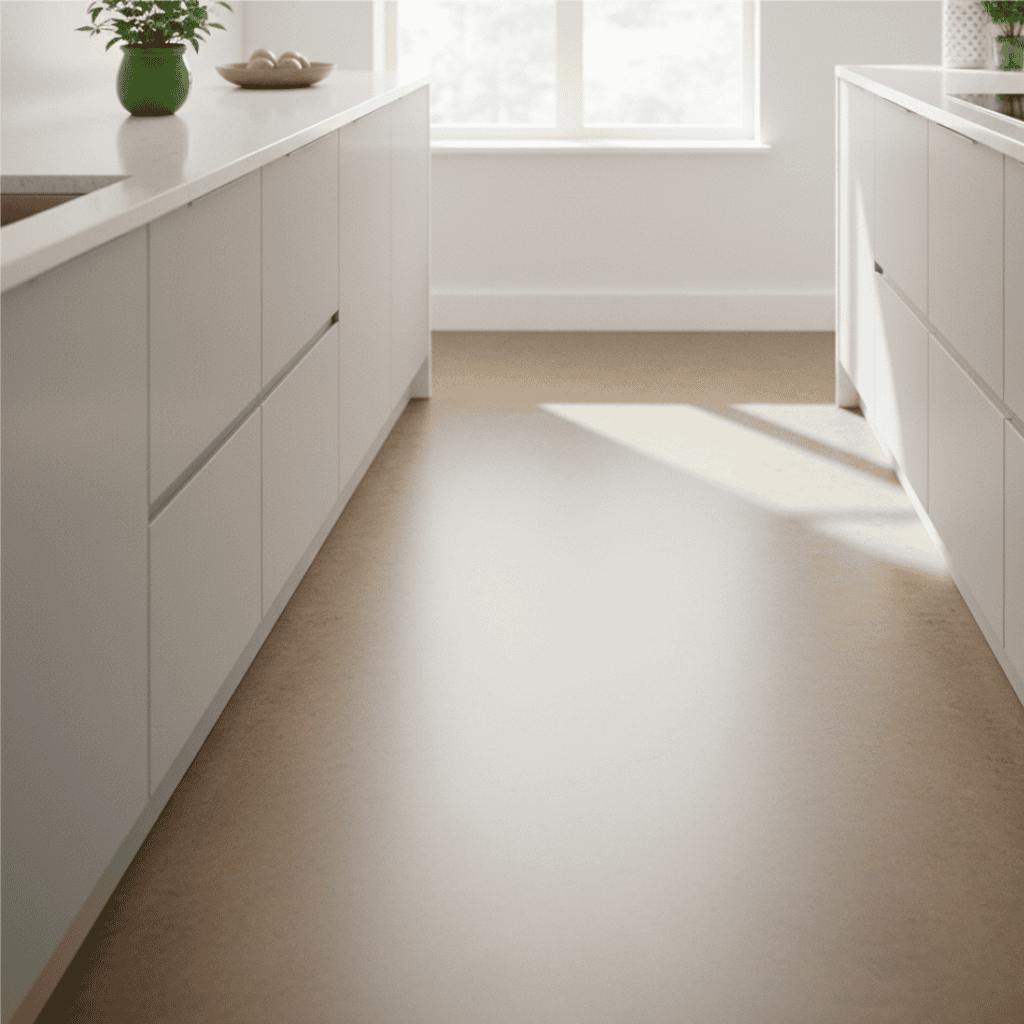
Linoleum Flooring
Linoleum is made from natural ingredients like linseed oil, wood flour, and jute. It is
biodegradable and durable, ideal for kitchens, bathrooms, and eco-conscious homes.
Reclaimed wood Flooring
Reclaimed wood comes from old buildings, barns, or factories. It reduces waste, adds
unique character, and gives old timber a second life in your home.
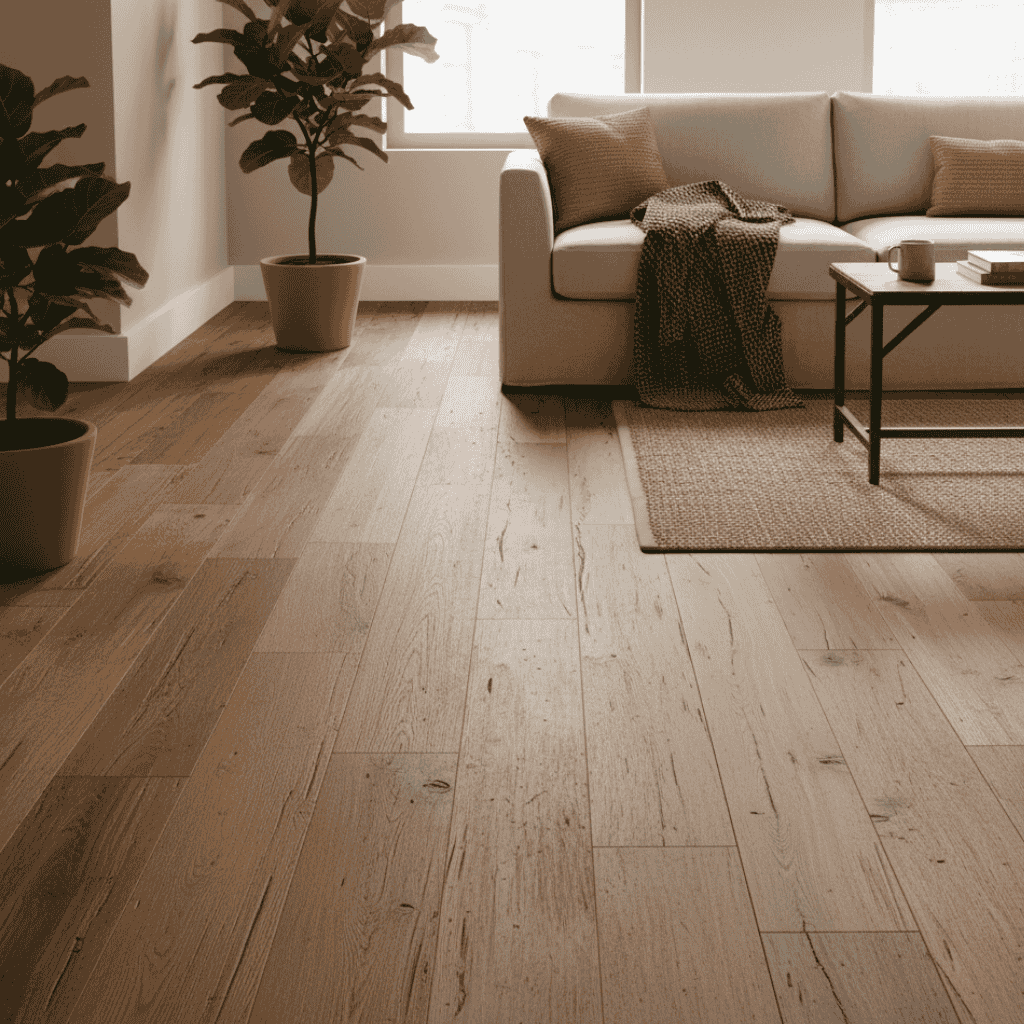
FSC-certified hardwood
FSC-certified hardwood is sourced from responsibly managed forests. It provides the classic
look of wood flooring while ensuring ethical and sustainable practices.
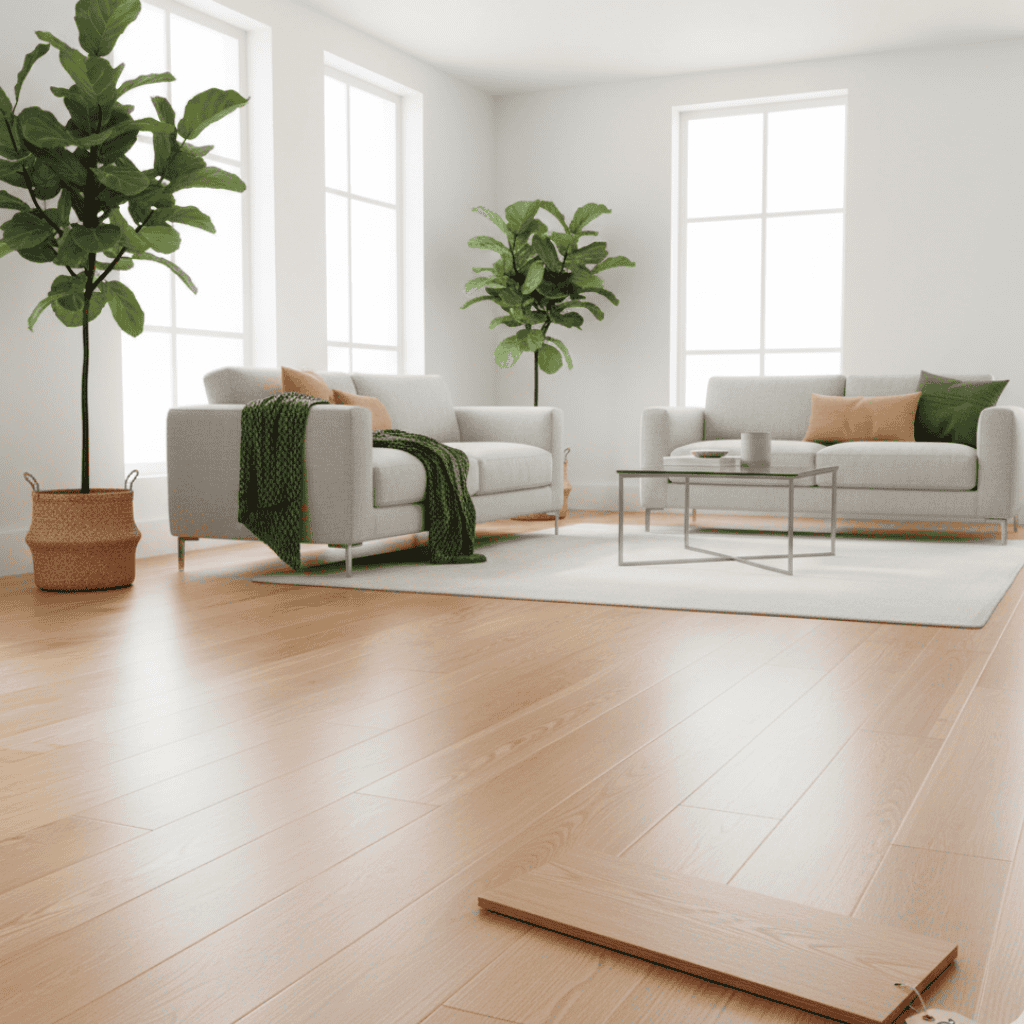
You know what?
Tile and stone can last a lifetime, and many eco-friendly options now
use recycled or responsibly sourced materials for a lower environmental impact.
Room-by-Room Sustainable Flooring Ideas
Choosing sustainable flooring isn’t just about the material; it’s also about how each room in
your home will be used.
In kitchens and bathrooms, water-resistant and easy-to-clean floors are essential. I’ve found
that cork or treated linoleum works well here, as they handle moisture without compromising
on eco-friendliness.
For living rooms and bedrooms, comfort is key. Floors like cork or bamboo add warmth
underfoot and create a cozy, inviting atmosphere while staying sustainable.
Basements can be tricky due to humidity, so moisture-resistant options like engineered
bamboo, tile, or certain recycled rubber floors are my go-to choices.
And for commercial or high-traffic spaces, durability and low maintenance matter most. Recycled rubber, reclaimed wood, or long-lasting tile provide both resilience and eco-conscious appeal.
By thinking about each room’s unique needs, you can choose floors that are not only
sustainable but also practical and beautiful.
Comparing Sustainable Flooring Options
When I was choosing flooring for my home, seeing all the options side by side made the
decision much easier. Here’s a simple comparison of popular sustainable floors based on
cost, durability, certifications, best uses, and end-of-life options:
Important Note:
Having a table like this helped me quickly compare options based on my priorities durability, room use, and eco-certifications. You don’t need to memorize the numbers; it’s just a guide to see which flooring fits your lifestyle and budget best.
Don’t know where to start?
Consult a trusted flooring professional to guide you through
the best eco-friendly choices for your rooms and lifestyle. Make a decision today that
benefits both your family and the planet.
Health and Environmental Benefits
One of the biggest surprises I discovered when switching to sustainable flooring was how
much it can improve both home comfort and the environment.
Floors made from low-VOC materials, like bamboo or FSC-certified wood, keep indoor air
cleaner. I noticed the difference immediately, the rooms felt fresher, and there was no
lingering chemical smell after installation.
Sustainable floors are also often allergen-friendly. Cork, bamboo, and linoleum don’t trap
dust and allergens the way carpets do, which is a real bonus if anyone in your home has
sensitivities.
Finally, choosing eco-friendly materials helps lower your carbon footprint. From responsibly
harvested wood to recycled rubber or linoleum, every choice reduces waste, energy use,
and environmental impact over the floor’s entire life. It’s rewarding to know that a simple
change in flooring can make a tangible difference for the planet.
Maintenance and Care
A sustainable floor only stays eco-friendly if it lasts, and proper care goes a long way. I
learned a few key tips from experience:
- Use gentle, eco-friendly cleaning products.
Harsh chemicals damage the floor and harm the environment, while a mild pH-neutral cleaner keeps surfaces clean without causing long-term wear.
- Regular maintenance extends lifespan.
Consistent sweeping, vacuuming, and light polishing help your floors stay fresh and durable for decades with very little extra effort.
- Proper care supports sustainability.
Each year you maintain your flooring well reduces landfill waste and delays replacements, making your home more eco-friendly overall.
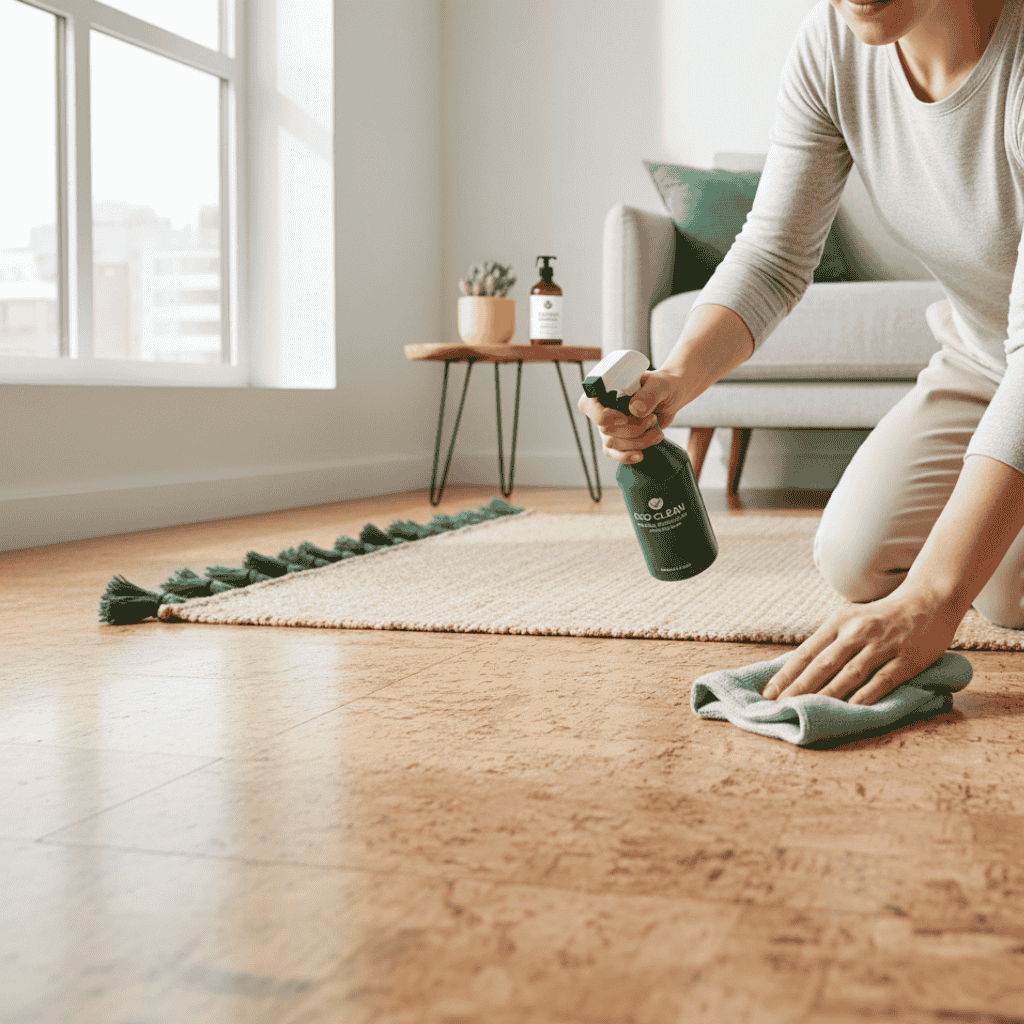
By treating floors with care and cleaning them thoughtfully, I was able to enjoy both beauty
and sustainability without compromise.
Common Myths About Sustainable Flooring
When I first started exploring eco-friendly floors, I kept hearing a few recurring myths and I
quickly realized many of them weren’t true.
Sustainable flooring is too expensive.
At first glance, some options do cost a bit more upfront. But I’ve found that investing a little
extra pays off in the long run. Durable materials like bamboo or reclaimed wood last
decades, which means fewer replacements and less waste, ultimately saving money.
Sustainable floors aren’t durable.
I used to worry that eco-friendly floors wouldn’t stand up to heavy traffic, pets, or kids. In
reality, many options are as strong, or sometimes stronger than traditional flooring. Recycled
rubber, tile, and bamboo have all proven incredibly resilient in my experience.
There aren’t enough design options.
Sustainable doesn’t mean boring. Today, you can find modern bamboo, stylish cork
patterns, and reclaimed wood with unique grains and colors. I was amazed at how many
beautiful choices exist. There’s truly something for every style.
Breaking these myths helped me make confident decisions for my home, knowing I didn’t
have to compromise on style, durability, or budget to go green.
Conclusion
Looking back at everything I’ve learned about sustainable flooring, one thing is clear:
choosing the right floor isn’t just about style it’s about making a lasting, positive impact on
your home and the environment. From bamboo and cork to reclaimed wood and recycled
rubber, there are plenty of options that combine beauty, durability, and eco-friendliness.
The key takeaways I’ve learned through experience are simple: focus on materials that are
renewable, recycled, or biodegradable; consider the room’s function, durability, and
maintenance; and always check for trusted certifications like FSC, LEED, or Floor Score.
These steps help you avoid misleading “green” claims and ensure your flooring is truly
sustainable.
By making thoughtful choices, you not only create a healthier, more comfortable home but
also reduce your environmental footprint. Sustainable flooring is an investment that pays off
in years of durability, lower maintenance, and peace of mind knowing your home contributes
to a greener planet.
Ready to Choose a Floor That’s Truly Sustainable?
Make your home healthier, more stylish, and better for the planet with sustainable flooring. Explore eco-friendly options that offer long-lasting durability, low maintenance, and comfort for every room in your home.
FAQs About Choosing Sustainable Flooring
Sustainable flooring is any type of floor made from materials that are renewable, recycled,
or have minimal environmental impact throughout their lifecycle.
This includes everything from how the material is sourced to how it’s manufactured,
transported, installed, and eventually disposed of. In my experience, truly sustainable floors also last a long time, reducing the need for replacement and minimizing waste, which is just as important as the materials themselves.
Some of the most eco-friendly options I’ve come across include bamboo, which grows
quickly and can be harvested without harming forests; cork, harvested without cutting down
trees; and natural linoleum.
which is biodegradable; reclaimed wood, which gives old timber a second life; recycled
rubber, great for high-traffic or commercial areas; and responsibly sourced stone or tile,
especially when recycled or local. Each material has its strengths depending on the room
and usage.
Yes, not every product labeled “eco-friendly” actually meets high sustainability standards.
Look for third-party certifications such as:
● FSC (Forest Stewardship Council) for responsibly sourced wood.
● LEED credits for green building compliance.
● FloorScore & GreenGuard for low VOCs and healthier indoor air.
● Cradle to Cradle Certified® for products designed with full lifecycle sustainability.
These labels give peace of mind that your flooring choices are genuinely
eco-conscious.
Often, the upfront cost is slightly higher than conventional flooring, but in my experience, it
pays off over time. Durable, sustainable materials like bamboo or reclaimed wood last
decades, require less maintenance, and reduce replacement costs.
When you factor in longevity, energy savings, and reduced environmental impact, the
long-term value often outweighs the initial price difference.
Absolutely. Many eco-friendly options are engineered to handle heavy foot traffic, pets, or
even commercial use.
Recycled rubber, bamboo, tile, and stone are all examples of sustainable materials that can
last as long or longer than traditional flooring. I’ve installed bamboo in hallways and seen it
endure daily wear for years without issues.
Yes, but you need to choose the right materials. Moisture-resistant options include treated
bamboo, tile, stone, or waterproof linoleum.
In basements or bathrooms, using floors that resist warping, swelling, or mold is crucial.
From personal experience, floors like cork or engineered bamboo with proper sealing can
also work well in moderately damp areas.
The key is gentle, eco-friendly cleaning. Avoid harsh chemicals, bleach, or ammonia-based
cleaners that can damage the floor or harm the environment.
Sweep or vacuum regularly, use a damp mop with a neutral cleaner, and follow the
manufacturer’s care instructions. With proper maintenance, floors like bamboo or cork can
remain beautiful and functional for decades.
Many sustainable floors are recyclable, compostable, or reusable. For example, linoleum
and cork naturally decompose, while reclaimed wood can be repurposed. Even tiles and stones can often be recycled or crushed for landscaping. Before buying,
check the manufacturer’s disposal recommendations or available recycling programs in your
area. This ensures your eco-friendly choice stays sustainable to the very end.
Yes. Many eco-friendly floors emit low or zero volatile organic compounds (VOCs), unlike some conventional vinyl or laminate floors.
When I installed FSC-certified wood and cork in my home, the difference in air quality was
noticeable no chemical smells, fresher rooms, and safer environments for kids and pets.
Start by thinking about how the room will be used. Kitchens and bathrooms need
moisture resistant floors, while living rooms and bedrooms benefit from comfort and warmth. Then consider your style preferences, durability needs, and budget. I usually weigh longevity and maintenance alongside appearance. A floor that looks great but won’t last won’t be truly sustainable. Finally, check certifications to ensure your choice
meets recognized environmental standards.