This guide explains the complete process of cleaning and maintaining vinyl plank flooring. It
covers daily, weekly, and deep-cleaning routines using safe methods and pH-neutral
cleaners. The blog includes step-by-step cleaning instructions, DIY cleaning recipes, a list of
what not to use, professional maintenance tips, and a comparison of the best Clean Vinyl Plank Flooring. It also highlights common cleaning mistakes, how to protect vinyl floors after
cleaning, and an easy maintenance schedule. FAQs answer popular user questions such as
using vinegar, mopping techniques, and restoring shine.
When I first got vinyl plank flooring installed, I loved how it completely changed the look of
my home. It was smooth, modern, and easy to walk on. But after a few weeks, something
changed. The shine started to fade, and a few dull marks appeared near the kitchen. No
matter how often I mopped, those spots just stayed there.
That’s when I learned what most homeowners don’t realize, it’s not about how often you
Clean Vinyl Plank Flooring , it’s about how you clean them. Using the wrong soap, too much
water, or harsh cleaners can quietly damage that top layer that makes vinyl look so good.
If your floors have lost their shine or always feel a little sticky after mopping, I’ve been there
too. The good news is, cleaning vinyl plank flooring the right way is simple once you know
the process. In this guide, I’ll walk you through how I clean and maintain my own floors
step-by-step, the products that actually work, and a few small habits that make a big
difference over time.
Noticing Your Vinyl Floors Losing Their Shine?
Get expert cleaning guidance and vinyl-safe product recommendations that protect your finish and restore long-lasting shine.
Why Vinyl Plank Flooring Is So Easy to Clean
One of the best things about vinyl plank flooring is how low-maintenance it really is. It
doesn’t need polishing, waxing, or heavy scrubbing like some other floors. Once you
understand how it’s built, cleaning it becomes almost effortless.
Vinyl planks are made with a protective wear layer on top. This thin, clear coating guards
your floor against scratches, spills, and stains. Underneath that, a waterproof core prevents
moisture from soaking in. This design is what makes vinyl such a smart choice for busy
kitchens, hallways, and even bathrooms. From my own experience, dust and dirt don’t stick to vinyl like they do on tile or wood. A quick sweep or a few passes with a microfiber mop usually makes it look fresh again. You
don’t have to worry about watermarks or the color fading if you clean it right.
Here’s why I find vinyl flooring so easy to care for
- It resists water and stains better than most floors.
- Dirt stays on the surface it doesn’t get trapped.
- It doesn’t require polish or wax to keep a clean finish.
- It’s strong enough for daily cleaning without damage.
Still, easy doesn’t mean careless. The trick is using the right cleaner and the right amount of water. Once you follow that, your floor practically maintains itself.
How to Clean Vinyl Plank Flooring Step-by-Step
I’ve tried different ways to clean my vinyl floors over the years, but this simple routine has
worked best. It’s quick, safe, and doesn’t leave that sticky or dull look that harsh cleaners
usually cause.
Here’s exactly how I do it.
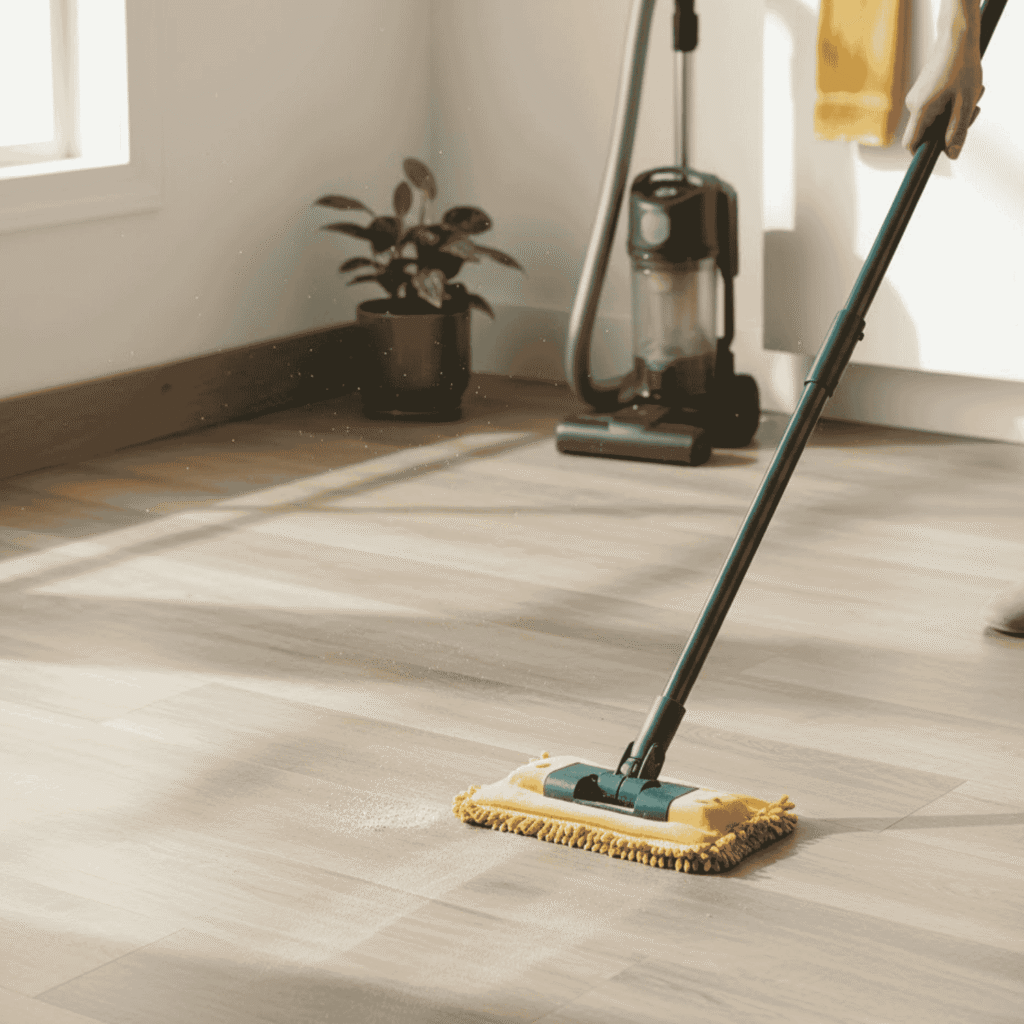
Step 1: Sweep or Vacuum First
Before anything else, remove loose dirt and dust. It may sound basic, but skipping this step is one of the main reasons vinyl floors get scratched.
What I use:
- A soft-bristle broom or microfiber dust mop.
- Sometimes a vacuum (with the brush roll turned off)
Pro Tip
If you have pets or high foot traffic, do this every day. Dirt acts like sandpaper on vinyl even a little grit can dull the finish over time.
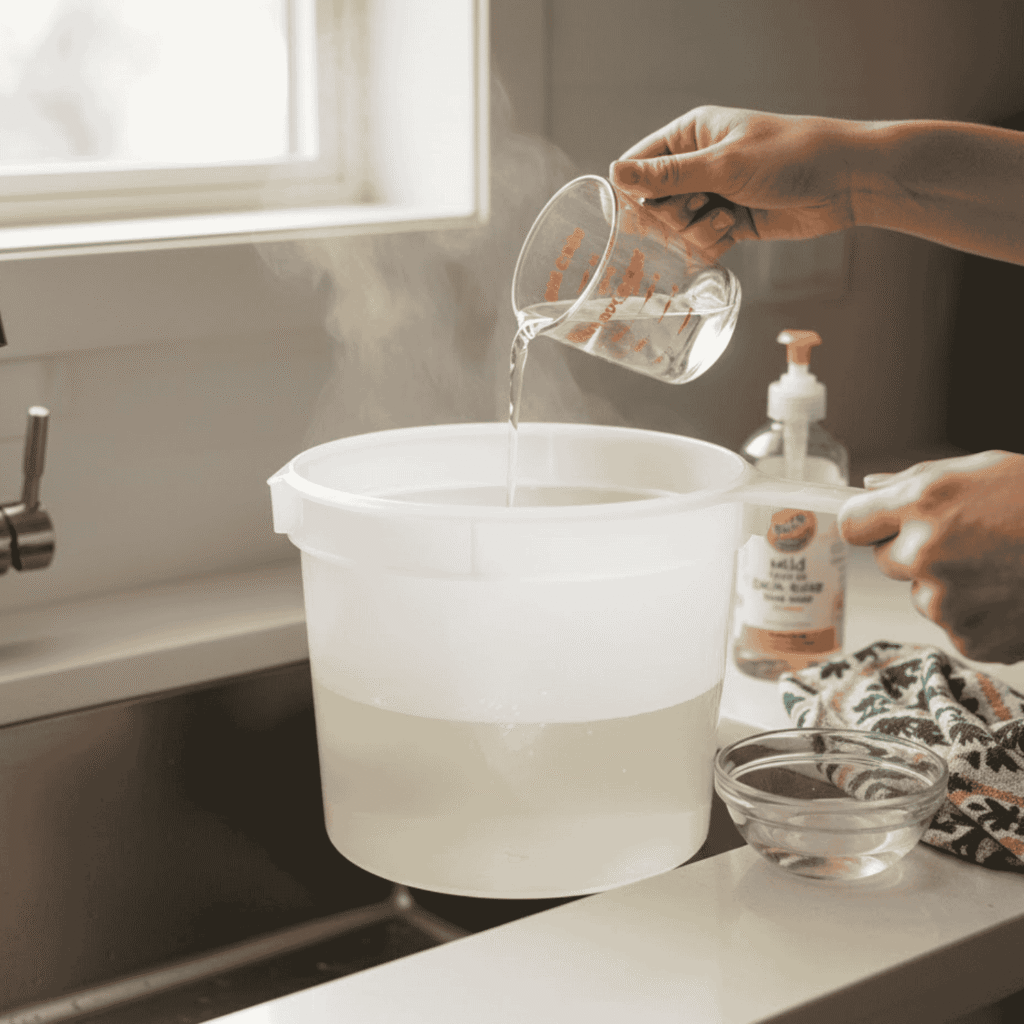
Step 2: Mix a Gentle Cleaning Solution
The best cleaner for vinyl floors is mild and simple. You don’t need fancy products or strong
chemicals.
My go-to mixes:
- Option 1: 1 cup of white vinegar + 1 gallon of warm water
- Option 2: A few drops of mild dish soap in a bucket of water
Both are safe, budget-friendly, and leave no residue.
My go-to mixes:
- Bleach
- Ammonia
- Strong scented or wax-based cleaners
These can damage the protective wear layer and make the floor look cloudy.
Step 3: Mop Lightly Damp, Not Wet
This is where most people go wrong. Vinyl flooring doesn’t like standing water.
What I do:
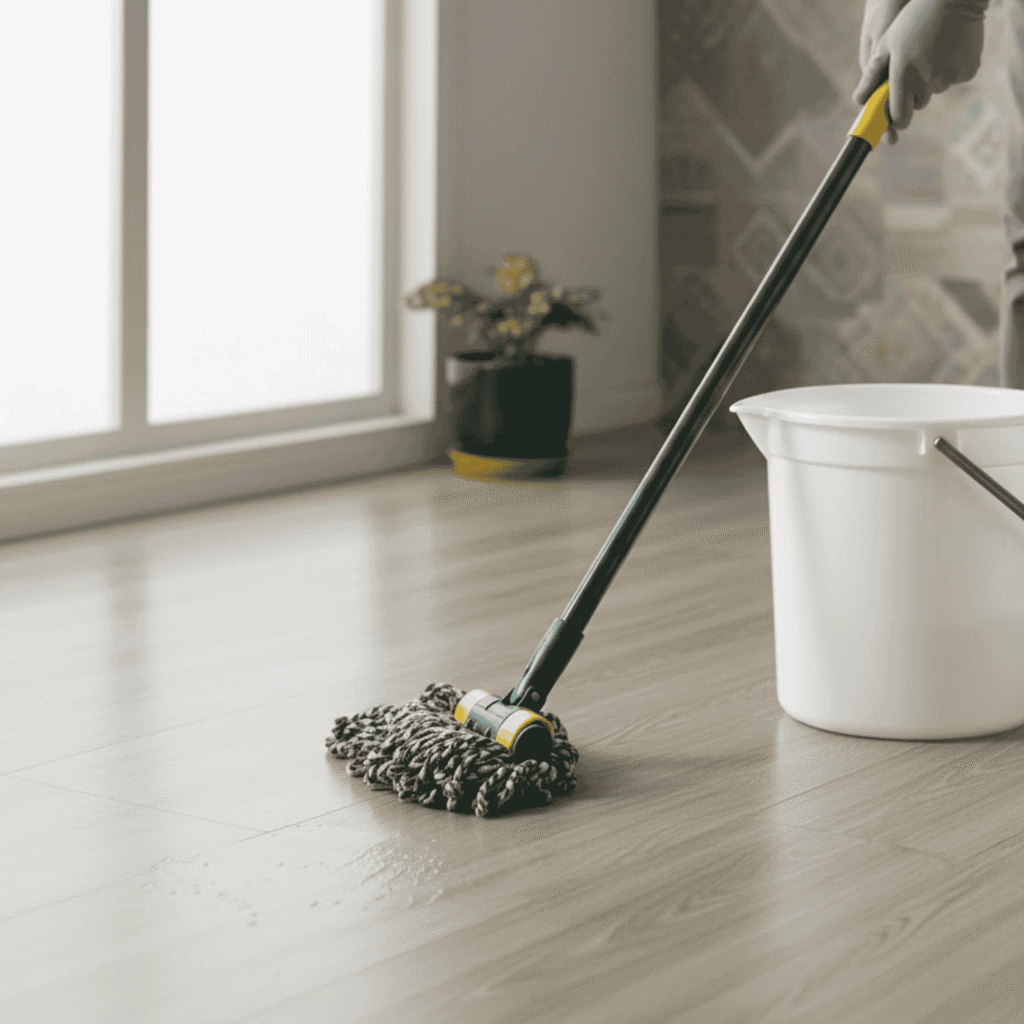
- Dip the mop in the solution and wring it out until it’s just damp.
- Mop in small sections, following the grain of the planks.
- Rinse the mop often to avoid spreading dirt.
You know what?
If you see puddles forming, it’s too wet. A light, even layer of moisture is
all you need.
Step 4: Rinse and Dry the Floor
Once I’m done mopping, I always go over the floor again with clean water.
This removes any leftover cleaner or film that could dull the surface.
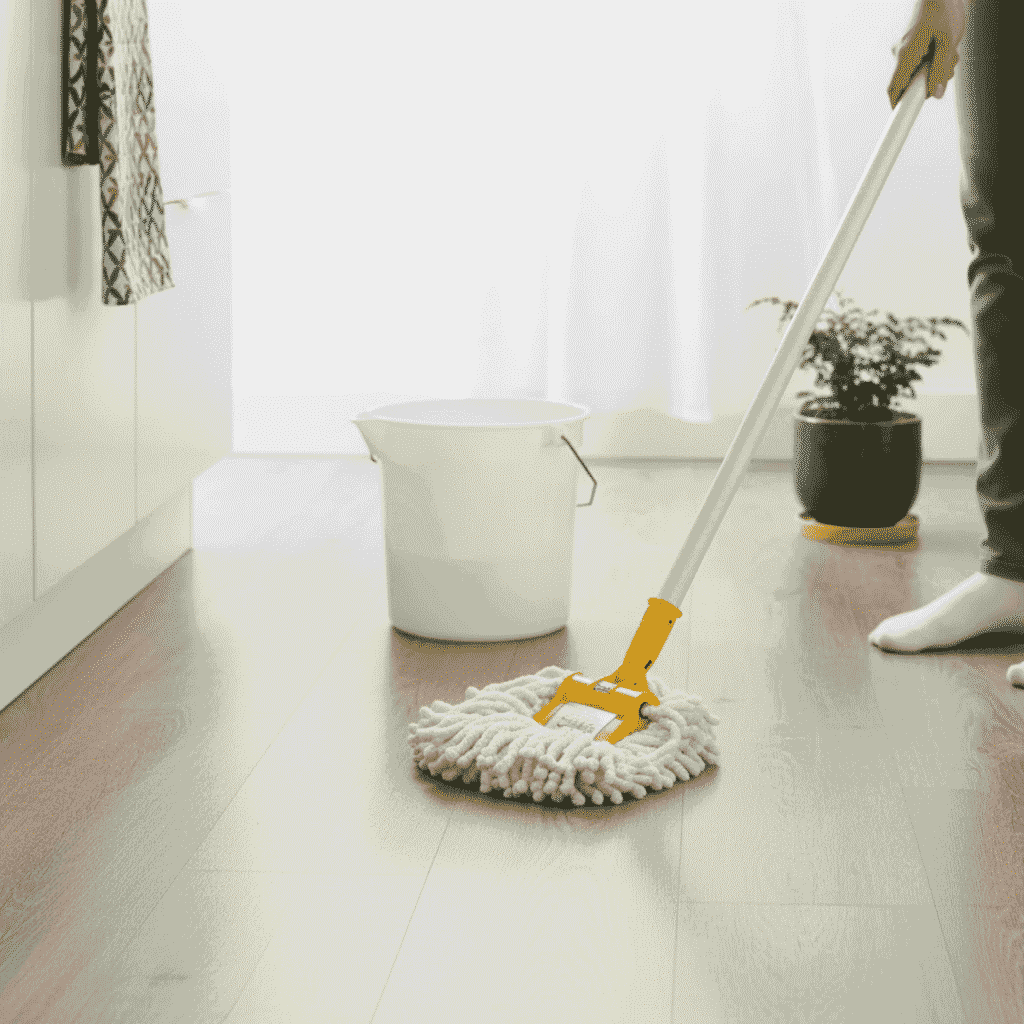
Then, I dry it using:
- A clean microfiber towel.
- A dry mop passes over the floor.
Why this matters?
Vinyl doesn’t absorb water, but letting moisture sit too long can sneak into the edges and loosen seams.
Step 5: Remove Stains and Scuff Marks
For me, this step made the biggest difference. Those small scuff marks or sticky stains don’t
need harsh scrubbing, just a gentle fix.
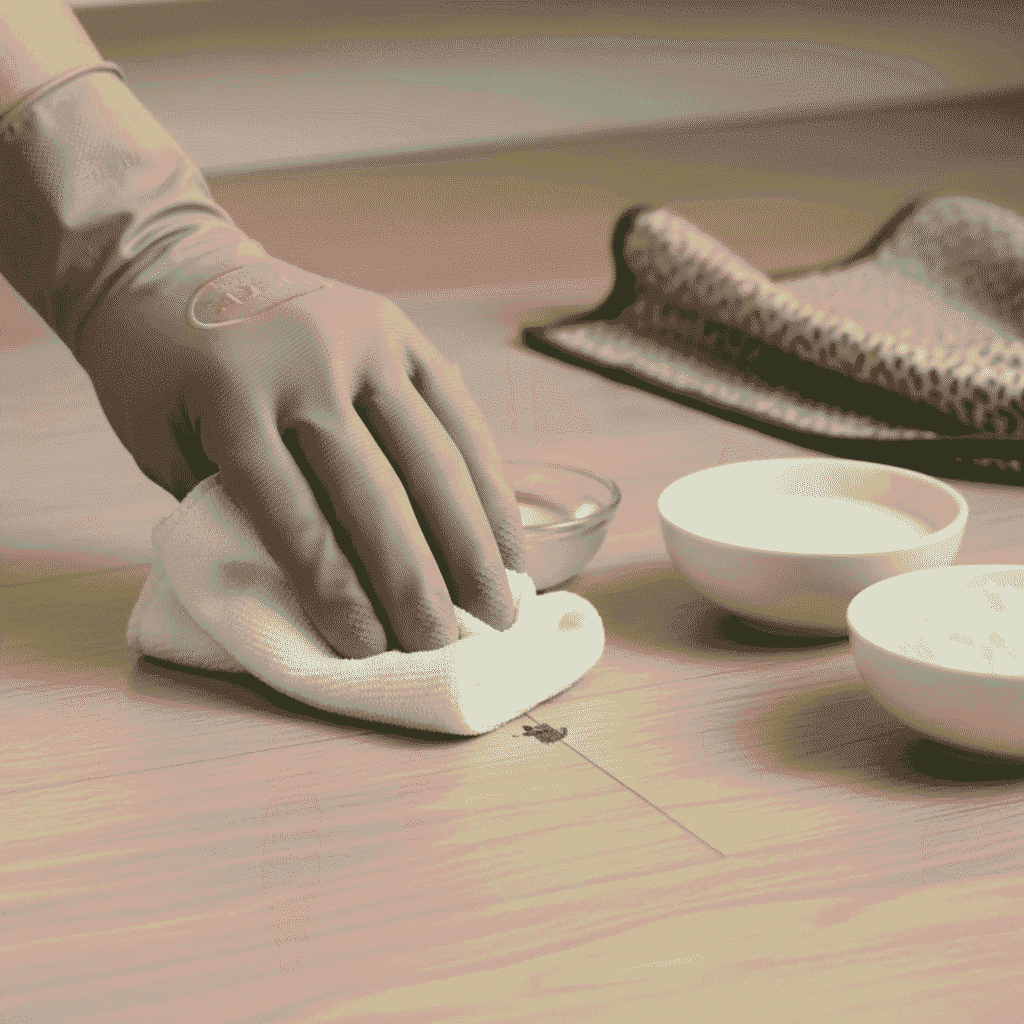
For light scuffs
- Dab a bit of rubbing alcohol on a soft cloth and rub gently.
For stubborn spots
- Make a paste with baking soda and a few drops of water.
- Apply it to the stain, rub softly, and wipe clean.
Quick Recap
Cleaning vinyl floors isn’t about effort, it’s about balance. The right cleaner, a gentle touch,
and regular care are all it takes to keep your floor looking new.
Routine Cleaning vs. Deep Cleaning: What’s the Difference?
I learned early on that not every cleaning day should look the same. Some days, a quick
sweep is all you need. Other times, your vinyl floors need a deeper reset to get rid of buildup
and hidden dirt.
Understanding this difference makes cleaning faster, easier, and far more effective.
Routine Cleaning (Daily or Weekly)
Routine cleaning is your everyday care the kind of quick cleaning that keeps dust and grit
from scratching the floor.
It’s simple, but it makes a big difference in how long your vinyl flooring lasts.
What I usually do:
- Sweep or vacuum once a day in high-traffic areas.
- Use a microfiber mop once or twice a week.
- Spot-clean small spills right away.
- Dry the floor after mopping not soaking.
These small habits keep your floor fresh and prevent that dull, cloudy look that comes from
buildup.
Deep Cleaning (Once a Month or As Needed)
Deep cleaning is for when your floor starts to look tired or feels sticky even after regular mopping.
It helps remove dirt stuck in seams, corners, or under furniture.
How I deep clean my vinyl floors:
- Start with a full sweep or vacuum.
- Mix a vinyl-safe cleaner or vinegar solution in warm water.
- Use a soft-bristle brush to scrub edges and corners gently.
- Rinse the floor once with clean water.
- Dry completely with a towel or fan.
This step refreshes the surface and brings back that smooth, even finish without needing
polish or wax.
Routine Cleaning vs. Deep Cleaning Comparison
If you follow this rhythm, quick daily care and one deep clean every few weeks, your vinyl
flooring will stay cleaner, longer, and require almost no heavy maintenance in the long run.
What Not to Use on Vinyl Plank Flooring
I learned this the hard way. When I first started cleaning my vinyl floors, I thought “the
stronger the cleaner, the better the shine.” That mistake cost me a few dull spots that never
really went away. Vinyl is tough, but it doesn’t get along with harsh products or too much heat.
Here’s a quick list of what you should never use and why.
1. Steam Mops
It might sound like a time-saver, but steam mops are the worst thing you can use on vinyl.
The heat and moisture seep into the plank seams and slowly weaken the adhesive
underneath. Over time, this can cause warping or bubbling that’s hard to fix.
Better alternative:
A damp microfiber mop with warm water works just as well and it’s safer.
2. Ammonia or Bleach
Both of these chemicals are way too strong for vinyl floors.
They strip away the protective layer that gives vinyl its shine and stain resistance. Once that
coating is damaged, the surface becomes dull and more prone to scratches.
Safer Option:
A pH-neutral cleaner or a mild vinegar mix.
3. Wax or Polish Products
Unlike wood, vinyl floors are already finished with a protective top layer. Wax and polish just
sit on the surface, creating a cloudy film that attracts dust. I made this mistake once it took
several cleanings to remove that sticky layer.
Better Alternative:
Regular cleaning and quick drying are all you need for a natural finish.
4. Soap-Based Detergents
Many household soaps leave a residue that builds up over time. You’ll notice your floor feels
sticky or looks streaky, even after cleaning.
What to Use Instead:
A small drop of dish soap diluted in plenty of warm water.
5. Abrasive Tools
Steel wool, rough brushes, or scrub pads might look helpful for stains but they scratch the
vinyl’s wear layer instantly.
Once that top coat is damaged, the floor starts losing its smooth texture.
Recommended Choice:
Soft cloths, non-scratch sponges, or microfiber pads.
Quick Summary
How to Protect Vinyl Plank Flooring After Cleaning
Cleaning your vinyl floors the right way is only half the job protecting them afterward is what
keeps them looking new for years. I learned that small habits make the biggest difference.
You don’t need expensive products or tools, just a few smart moves that prevent damage
before it starts.
1. Use Floor Mats at Entrances
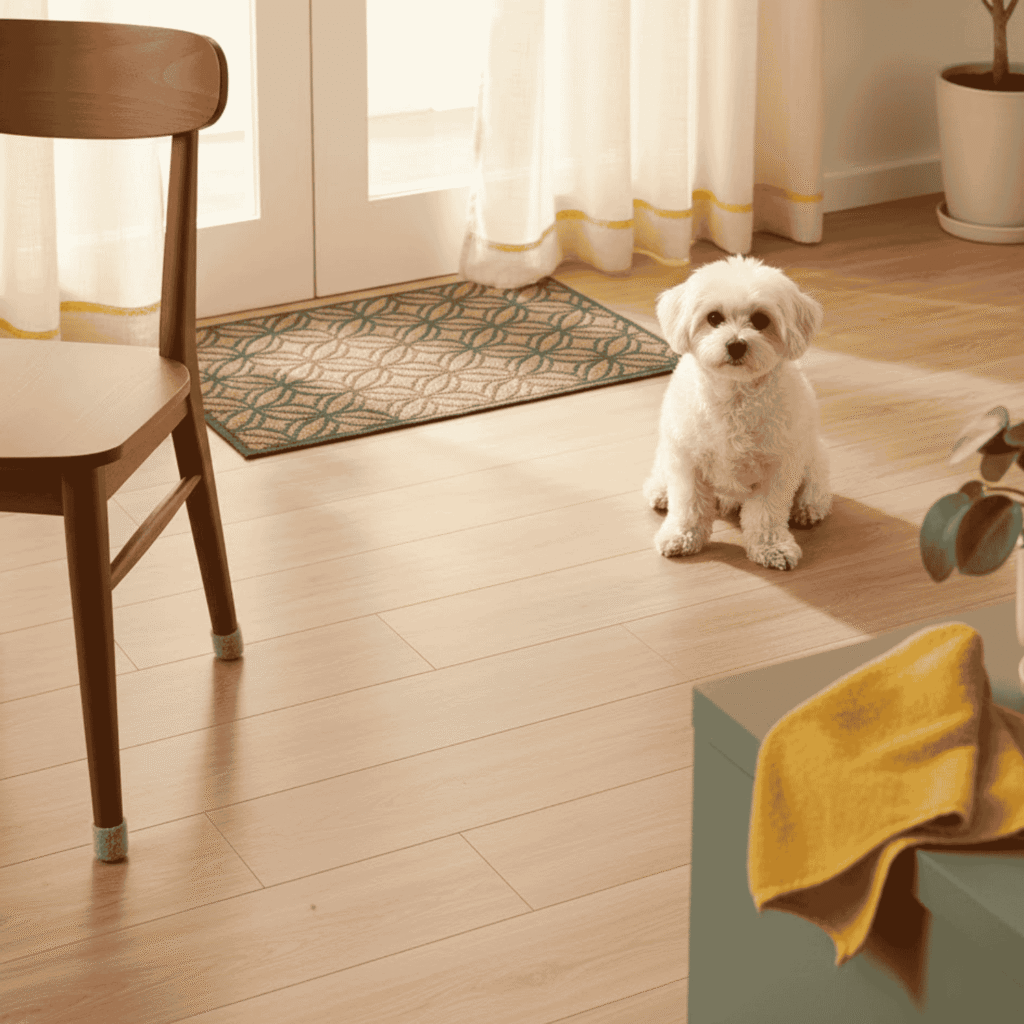
I always keep mats at every doorway especially near the kitchen and entryways. They catch
dust, sand, and moisture before it reaches your vinyl planks.
If you can, use a soft, non-rubber mat. Rubber can sometimes react with vinyl and leave dull
marks over time.
2. Add Felt Pads Under Furniture
This one’s a must. Furniture legs can leave pressure marks or scratches if dragged.
I stick small felt pads under every chair, table, and sofa leg. It’s cheap and works like magic.
Pro Tip
Floor-protection pads wear out faster in busy areas. Check and replace them every few months to prevent scratches and keep your vinyl floors looking new.
3. Avoid Dragging or Sliding Heavy Items
If you ever need to move furniture, lift it instead of dragging it.
Even a small pull can cause fine lines or scuffs that you won’t notice until the light hits just right.
4. Wipe Spills Right Away
Vinyl plank flooring is water-resistant, not waterproof. Spills left too long can seep into edges
and weaken adhesive layers.
I keep a dry towel handy in the kitchen for quick cleanups saves time and prevents
long-term damage.
5. Control Sunlight Exposure
If your room gets direct sunlight, you might notice slight color fading over time.
I use lightweight curtains or blinds during the brightest hours. A small step, but it helps
preserve the original tone of the floor.
6. Keep Pet Nails Trimmed
Pets are adorable but their nails aren’t floor-friendly.
Trim them regularly to avoid small surface scratches. I noticed a huge difference once I made this part of my weekly routine.
7. Maintain a Regular Cleaning Schedule
Here’s a quick protection habit chart you can follow:
Protecting vinyl floors isn’t about doing more it’s about doing small things consistently. Once
you build these habits, your flooring practically takes care of itself.
Pro Cleaning and Maintenance Tips
● Cleaning consistently for a few minutes daily saves hours later.
● Sweep or vacuum every day to keep dust from scratching the surface.
● Use cool or warm water never hot to protect plank seams.
● Wash or replace your mop pads regularly to avoid cloudy marks.
● Stick to simple cleaners: vinegar, mild dish soap, or pH-neutral vinyl cleaner.
● Skip anything with wax, shine booster, or strong fragrance they leave residue.
● Store your homemade cleaning mix in a labeled spray bottle and refresh it often.
● Use rugs or mats in high-traffic zones (avoid rubber-backed ones).
● Trim pet nails and lift furniture instead of dragging it.
● Deep clean once a month with a gentle vinyl-safe solution, no polish needed.
Best Cleaners for Vinyl Plank Flooring
Over the years, I’ve tried plenty of products on my vinyl floors some left them spotless, while
Others left a sticky film that took days to fix.
Here are the cleaners that actually work and keep your floors looking smooth and fresh
without damage.
My Top Picks
A Few Personal Tips
● I mostly use vinegar and water for quick cleans it’s natural and budget-friendly.
● For deep cleaning, commercial vinyl cleaners do a better job restoring shine without
any buildup.
● Mild dish soap is great for weekly cleaning, just make sure to rinse well.
● Avoid products labeled “wax” or “shine,” as they usually leave residue.
● Always test any new cleaner on a small corner before using it across the floor.
Bonus Tip: My Go-To Cleaning Mix
If you prefer DIY cleaning:
● 1 gallon of warm water
● 1 cup of white vinegar
● Optional: a few drops of mild dish soap for extra cleaning power
It’s safe, simple, and effective, perfect for daily or weekly maintenance.
Common Mistakes People Make
I’ve seen a lot of homeowners struggle with vinyl plank flooring not because the product is
bad, but because of small cleaning habits that quietly damage it.
Here are the most common mistakes I’ve made (and fixed) over time so you can avoid them
from day one.
1. Using Too Much Water
Flooding the floor or mopping with a soaking wet pad can cause the seams to lift or weaken.
Vinyl is water-resistant, not waterproof.
Fix it: Always wring your mop until it’s just damp.
2. Skipping the Drying Step
Leaving the floor wet after cleaning might seem harmless, but over time, it leads to dull spots
and streaks.
Fix it: Dry with a clean microfiber cloth or towel right after mopping.
3. Using Strong or Scented Cleaners
Harsh cleaners with bleach, ammonia, or heavy fragrances slowly eat away at the floor’s
wear layer.
Fix it: Stick to mild solutions vinegar, dish soap, or vinyl-safe cleaners.
4. Forgetting Regular Sweeping
Even small dirt particles act like sandpaper under your shoes. This is one of the biggest
reasons floors lose their shine early.
Fix it: Sweep or vacuum daily, especially in high-traffic zones.
5. Dragging Furniture or Appliances
Sliding heavy items, even just once, can leave deep scratches that never fade.
Fix it: Always lift furniture or use felt pads before moving anything.
6. Using Wax or Polish Products
Vinyl planks don’t need wax it builds a dull film and attracts dust. I learned this the hard way
after trying a “shine restorer.”.
Fix it: Skip the wax. Just clean regularly for a natural finish.
7. Ignoring Corners and Edges
Dirt buildup often hides along walls and under cabinets.
When ignored, it hardens and becomes tough to clean later.
Fix it: Deep clean these spots once a month with a soft brush.
Quick Recap
You know what?
It’s small things like these that quietly shorten a floor’s life.
Once you fix them, your vinyl flooring will not only look better, it’ll last years longer without losing that clean, even texture.
Quick Maintenance Schedule (For Easy Reference)
Keeping vinyl floors in top shape isn’t about cleaning harder, it’s about knowing when to do what.
Here’s the simple schedule I personally follow to keep my floors looking fresh year-round.
Daily
● Sweep or dry mop high-traffic areas
● Wipe any spills immediately.
● Do a quick visual check for dirt or marks.
Weekly
● Damp mop with a mild cleaning solution
● Vacuum edges and corners where dust collects
● Check under mats or rugs for trapped debris.
Monthly
● Deep clean using a vinyl-safe cleaner or vinegar mix
● Gently scrub baseboards and under furniture.
● Inspect seams for moisture or lifted planks.
Every 3–6 Months
● Replace or clean felt pads under furniture.
● Wash reusable mats and rugs.
● Refresh your mop pads and cleaning tools.
Seasonally (Every 6–12 Months)
● Inspect high-traffic zones for wear
● Rotate rugs or furniture to balance sunlight exposure.
● Give the entire floor a careful deep clean and dry.
Quick Overview Table
Pro Tip
A schedule like this doesn’t take much time, but it makes your vinyl floors look
freshly installed every single day.
FAQs About Cleaning Vinyl Plank Flooring
From my experience, the best cleaner is one that’s gentle yet effective. A mix of warm water
with a few drops of mild dish soap works perfectly for weekly cleaning. For deep cleans, use
a pH-neutral vinyl floor cleaner that’s designed to break down dirt without leaving streaks or
residue. Avoid anything with wax or polish, as those can make the surface look cloudy.
Yes, vinegar is one of the safest natural cleaners you can use. Mix one cup of white vinegar
with a gallon of warm water that’s enough to remove grime and neutralize odors without
harming the protective coating. I often use it for quick kitchen cleanups. Just remember not
to add baking soda or harsh substances it plain vinegar works best.
A soft microfiber mop is your best friend when it comes to vinyl floors. It traps dust and
debris instead of pushing it around, and won’t scratch the surface. I prefer a flat microfiber
mop that can be easily wrung out to stay just damp. Avoid sponge mops, they tend to hold
too much water, which can seep into the plank seams.
It’s best to avoid steam mops altogether. Vinyl flooring might look waterproof, but the seams
between planks are still vulnerable. The heat and steam can slowly loosen the adhesive and
cause bubbling or warping. If you want that freshly cleaned look, use a warm, damp mop
instead it’s safer and gives the same clean finish.
I’ve found that consistency is better than intensity. Sweeping or dry mopping daily keeps dirt
from scratching the surface, while a gentle damp mop once a week removes everyday
grime. Once a month, do a full deep clean with a vinyl-safe cleaner or vinegar mix. That
rhythm keeps the floor looking new without overworking it.
For light scuffs, rubbing alcohol on a soft cloth usually does the trick. For tougher stains like
food spills or shoe marks, I make a paste with baking soda and water, apply it to the spot, and rub gently. It lifts the stain without harming the surface. Afterwards, wipe it clean with a
damp cloth and dry the area completely.
That dull look often comes from leftover cleaner residue or using the wrong products.
Soap-based detergents and waxes leave a thin film that blocks the shine. To fix it, mop once
with clean water only, dry the floor with a towel, and switch to a mild, no-residue cleaner next
time. I made this mistake early on one rinse made all the difference.
Yes, but always in small amounts. A few drops of Dawn in a gallon of water make a perfect
mild cleaner. It removes grease, dirt, and spills without harming the finish. The trick is rinsing
afterward with clean water, this prevents buildup that can cause the surface to feel tacky
over time.
Professionals follow a low-moisture cleaning method. They use pH-neutral cleaners, soft
brushes, and microfiber tools that lift dirt gently. No steam, no wax, and definitely no harsh
chemicals. Their secret is the frequency they clean regularly before dirt becomes buildup.
You can achieve the same results with a consistent routine and the right products.
You don’t need polish or shine sprays they usually cause dull buildup. The best way to
restore shine is to deep clean with vinegar and warm water, then dry the floor completely
using a microfiber towel. If your floor still looks flat, check for residue buildup. A quick rinse
often revives that natural glow. A dry microfiber pad after cleaning adds an extra smooth
finish.
Conclusion
You don’t need polish or shine sprays they usually cause dull buildup. The best way to
restore shine is to deep clean with vinegar and warm water, then dry the floor completely
using a microfiber towel. If your floor still looks flat, check for residue buildup. A quick rinse
often revives that natural glow. A dry microfiber pad after cleaning adds an extra smooth
finish.If you’re not sure which cleaner to trust, check my guide on Top-Rated Vinyl Floor Cleaners.
I’ve tested each one so you don’t have to guess.
A little care goes a long way.
Want clean, beautiful floors without the guesswork?
We can help you choose the best cleaning routine and products for your home and show you how to keep your vinyl floors in great shape all year.