The best flooring for kitchens in 2026 balances water resistance, durability, comfort, and long-term value. Luxury vinyl plank works best for most homes because it resists water, handles daily traffic, and stays comfortable underfoot. Porcelain tile offers the highest durability and full water protection for heavy-use kitchens. Engineered hardwood provides a wood look with better moisture control than solid wood but requires careful use. Budget options like laminate and sheet vinyl reduce upfront cost but carry higher replacement risk. The right kitchen flooring depends on spill exposure, household activity, and how much maintenance the homeowner accepts.
Kitchen flooring faces more stress than any other room in the home. Water spills, heat, dropped items, foot traffic, and daily cleaning all hit the floor first. A good-looking surface alone does not survive a kitchen.
In 2026, the best kitchen flooring balances durability, water resistance, comfort, and cost. Homeowners no longer choose floors only by style. They choose based on how the floor handles real life. Kids, pets, cooking routines, cleaning habits, and long-term maintenance now drive decisions.
How flooring actually performs in kitchens, not design inspiration or trend photos. Each material gets evaluated by how it handles moisture, wear, impact, and daily use. Budget and lifespan matter as much as appearance.
Best Kitchen Flooring Options at a Glance (2026 Comparison)
Best Kitchen Flooring Options at a Glance (2026 Comparison)
Luxury vinyl plank, porcelain tile, and engineered hardwood lead kitchen flooring choices in 2026 (flooring buying guide). These materials handle water, traffic, and daily cleaning better than most alternatives. Performance, not style preference, defines the best option for each kitchen.
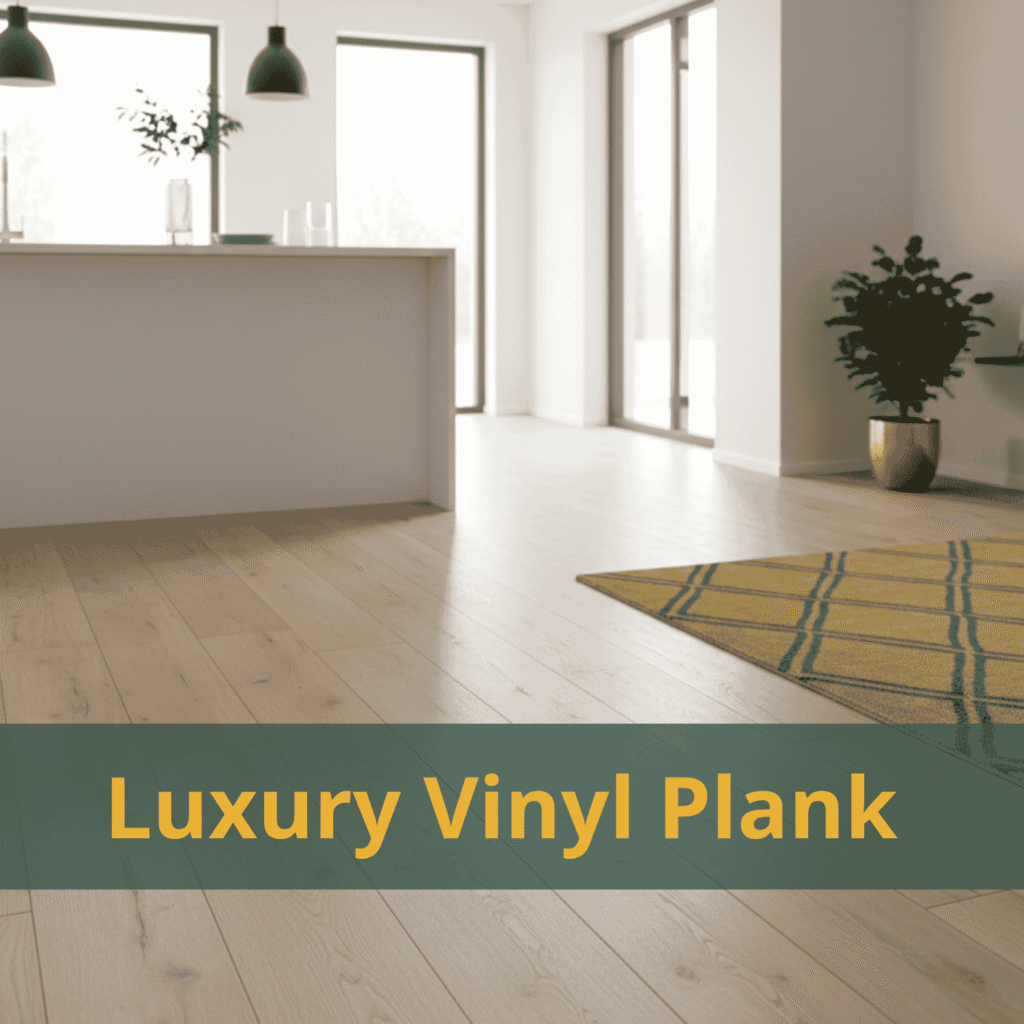
Luxury Vinyl Plank (Best Overall for Most Homes)
Luxury vinyl plank delivers strong water protection, impact resistance, and daily comfort. It handles spills, dropped items, and long-standing periods without damage. Most households choose LVP because it balances durability, ease of cleaning, and cost.
Large-Format Porcelain and Ceramic Tile (Best for Maximum Durability)
Large-format porcelain and ceramic tile provide the highest resistance to water, stains, and wear. Fewer grout lines reduce cleaning effort and limit moisture issues. These tiles suit kitchens with heavy traffic and frequent spills.
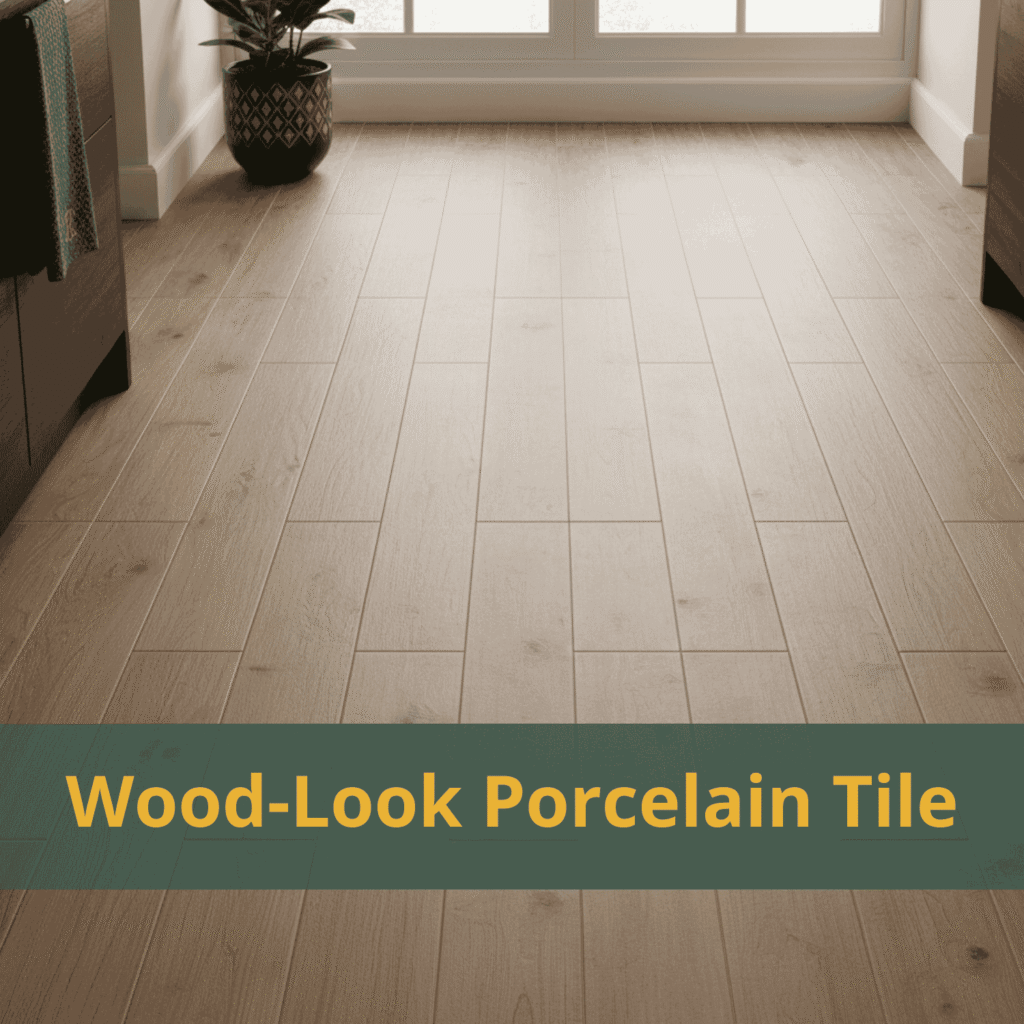
Wood-Look Porcelain Tile (Best Style-Performance Balance)
Wood-look porcelain tile delivers the appearance of wood without moisture risk. It resists scratches, water exposure, and long-term wear. This option fits kitchens that want natural texture with strict performance demands.
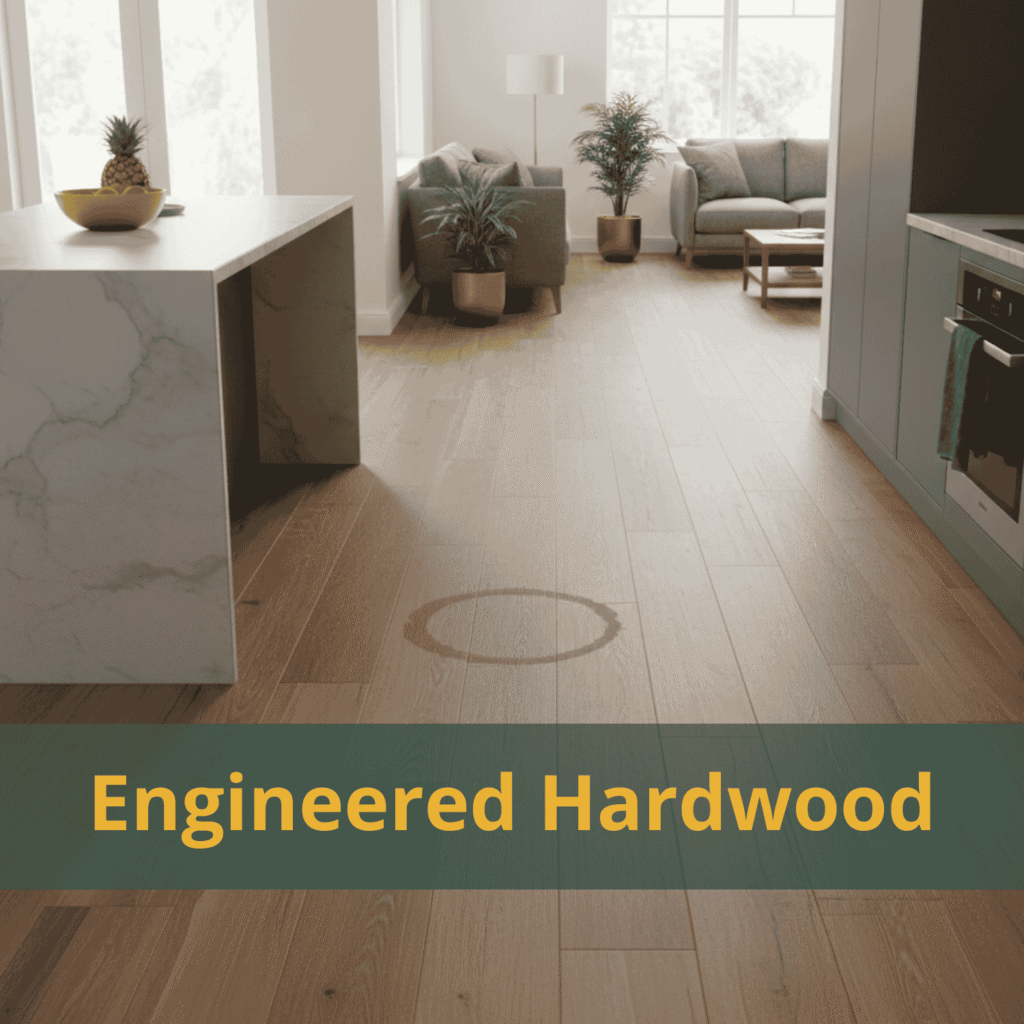
Engineered Hardwood (Best for Controlled Kitchens)
Engineered hardwood works in kitchens with limited moisture exposure. Its layered construction handles humidity better than solid wood. This option fits households that prioritize warmth and accept careful water management.
How to Choose the Right Flooring for Your Kitchen
Kitchen flooring choice starts with how the space functions each day. Water, movement, and time on your feet shape which materials work and which fail.
Water exposure comes first. Areas near the sink, dishwasher, refrigerator, and trash zone face repeated spills and moisture. Floors in these zones need waterproof or tightly sealed surfaces to avoid swelling, warping, or staining.
Daily traffic changes performance needs. Busy kitchens with constant movement need floors that resist dents and surface wear. Long cooking sessions increase the need for comfort and shock absorption, especially on joints and the lower back.
Lifestyle adds another layer. Homes with kids need impact resistance and easy cleanup. Homes with pets need scratch control and slip resistance. Kitchens used for entertaining need floors that handle spills without panic.as seen in homeowner discussions.
Budget decisions should account for lifespan, not just installation cost. Lower-cost floors may need earlier replacement. Higher-performing floors often reduce repair, maintenance, and long-term expense. The right choice balances upfront spend with how long the floor stays problem-free.
Kitchen Flooring Materials Explained (Pros, Cons, and Best Use Cases)
Each kitchen flooring material behaves differently under water, weight, heat, and daily use. Performance depends on core structure, surface protection, and long-term wear patterns, not appearance alone.
Luxury Vinyl Plank (LVP)
Luxury vinyl plank uses layered cores that control water and impact. Fully waterproof cores prevent swelling when spills sit on the surface. Water-resistant versions protect only the top layer and fail when moisture reaches seams.
LVP resists scratches better than wood and absorbs impact better than tile. Heavy objects can dent low-quality cores. Thicker rigid cores reduce this risk.
Modern LVP mimics wood and stone closely. Printed layers limit depth and texture compared to real materials. LVP dominates search results because it solves most kitchen problems at a moderate cost.
Porcelain Tile
Porcelain tile blocks water, stains, and heat. Dense construction prevents absorption and surface damage. This material handles the highest traffic without visible wear.
Slip resistance depends on finish. Matte and textured surfaces improve grip. Polished finishes increase slip risk when wet.
Porcelain stays hard and cool underfoot. Standing comfort decreases without mats or underfloor heating. This material suits kitchens with constant traffic and frequent spills.
Ceramic Tile
Ceramic tile offers broad design options at a lower cost than porcelain. Glazed surfaces resist stains and everyday moisture.
Ceramic absorbs more water than porcelain and chips more easily under impact. It works best in moderate-use kitchens with controlled moisture.
This option fits kitchens that prioritize design flexibility over maximum durability.
Engineered Hardwood
Engineered hardwood uses layered construction to control expansion and contraction. This structure improves moisture tolerance compared to solid wood.
Engineered boards still react to standing water. Quick cleanup limits damage. Prolonged exposure causes warping or delamination.
This flooring suits kitchens with limited spill risk and stable indoor humidity.
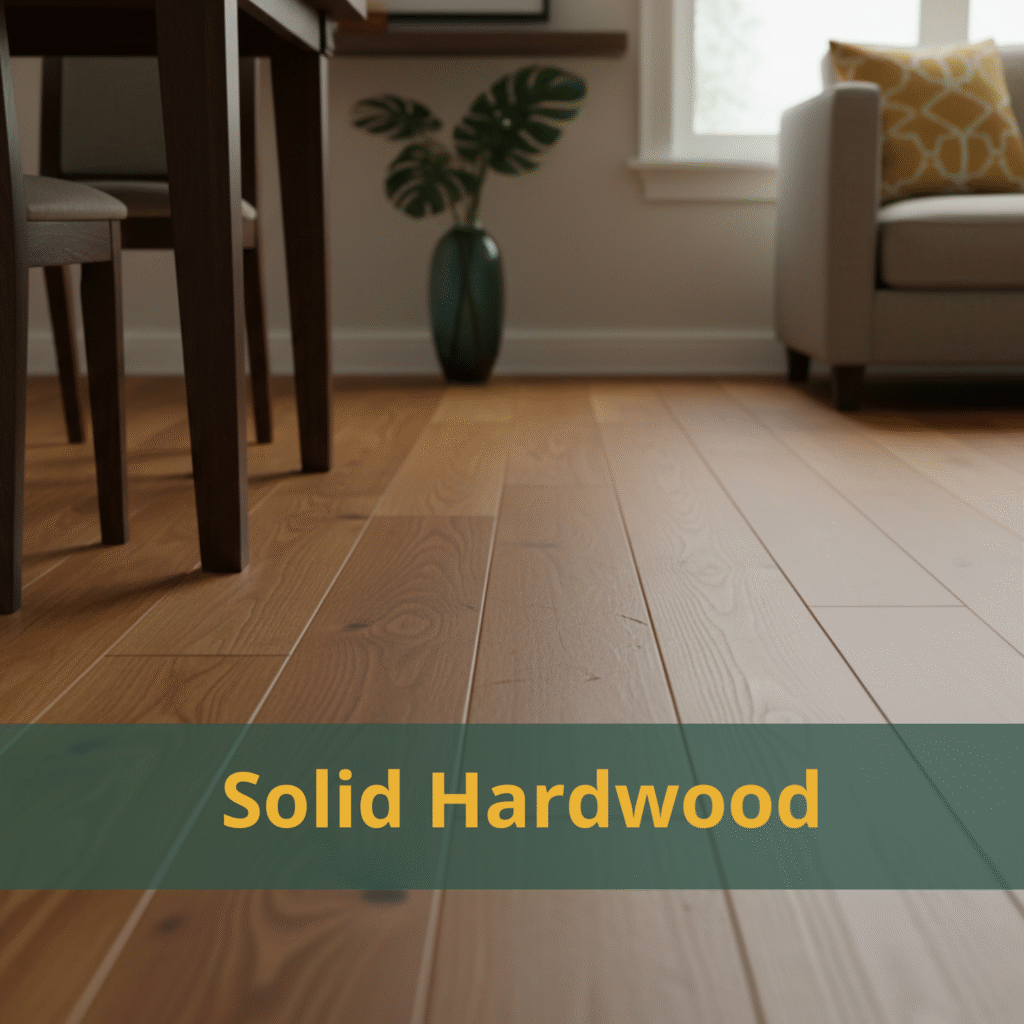
Solid Hardwood
Solid hardwood adds warmth and increases home value. Natural grain and texture appeal to many homeowners.
Water damages solid wood quickly. Sealing slows absorption but does not stop it. Spills, leaks, and humidity changes create long-term risk.
Solid hardwood works best in kitchens with strict moisture control and careful maintenance.
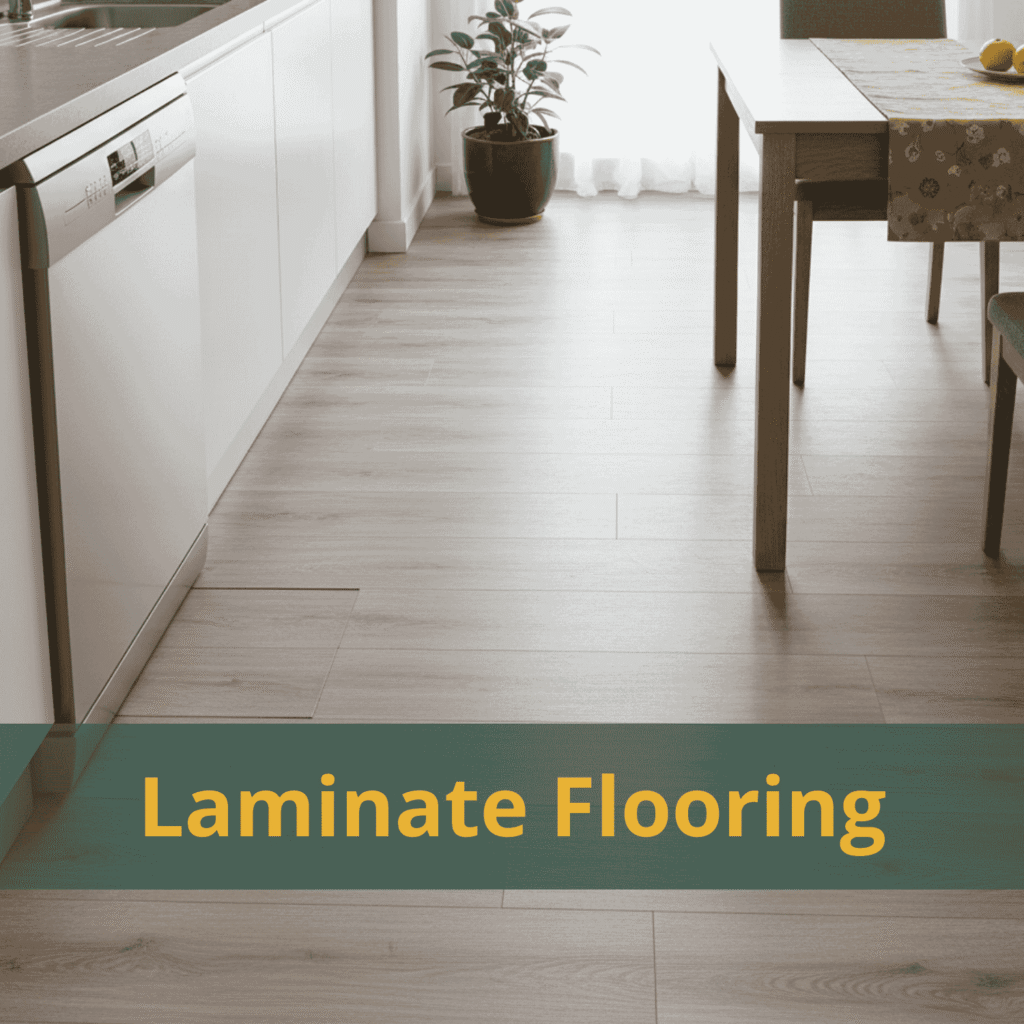
Laminate Flooring
Modern laminate improves water resistance through sealed edges and stronger cores. Surface layers resist scratches and stains.
Water still penetrates seams over time. Core swelling causes permanent damage once moisture enters.
Laminate fits budget-focused kitchens with controlled water exposure and lower traffic.
Cork Flooring
Cork cushions feet and reduces noise. Natural cell structure provides warmth and shock absorption.
Sealing protects cork from moisture and stains. Sunlight fades color without UV protection. Resealing adds maintenance responsibility.
Cork suits kitchens that value comfort and accept ongoing care.
Sheet Vinyl (Vinyl Roll / Linoleum Style)
Sheet vinyl creates a continuous waterproof surface. No seams means fewer failure points around sinks and appliances.
This flooring handles water and impact well. Design options look flatter and less detailed than plank systems.
Sheet vinyl fits kitchens that prioritize function, water safety, and low maintenance over visual depth.
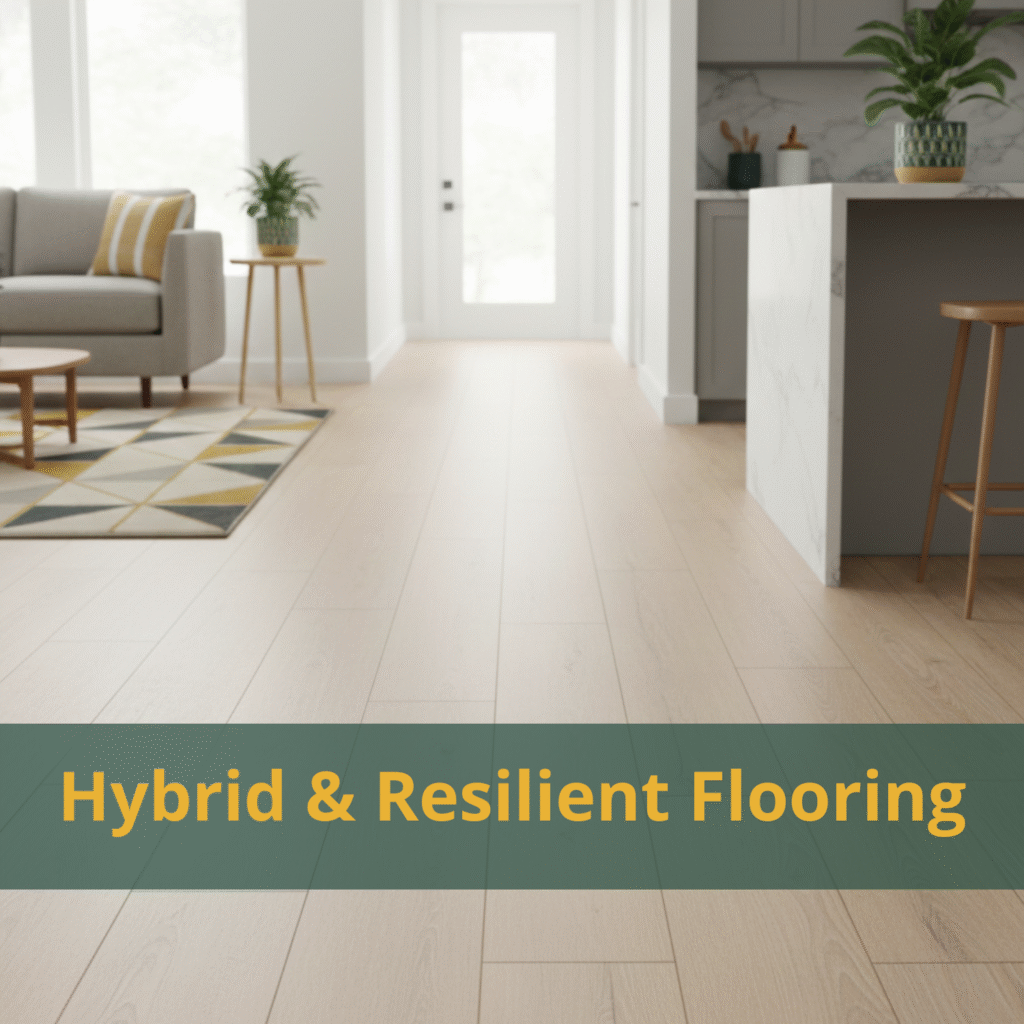
Hybrid and Resilient Flooring Types for Kitchens
Hybrid and resilient flooring improves stability and water control through rigid core construction. These floors handle daily kitchen stress better than standard vinyl.
Core Structure and Stability
- Uses mineral, stone, or rigid composite cores
- Controls expansion caused by temperature changes
- Resists dents from appliances and heavy foot traffic
Differences Between Hybrid Flooring and Standard LVP
- Thicker and denser core construction
- Stronger load support under refrigerators and ranges
- Less movement across wide kitchen layouts
Performance Limits and Failure Points
- Core density affects dent resistance
- Locking system strength controls water protection
- Weak seams allow moisture to reach the subfloor
Best Use Cases for Hybrid Flooring
- Fits kitchens that need more rigidity than LVP
- Does not replace tile-level hardness or heat resistance
Most Durable Kitchen Flooring Ranked (Real-World Performance)
Durability depends on impact resistance, surface wear, and water behavior over time. This ranking reflects how floors perform in real kitchens, not marketing claims.
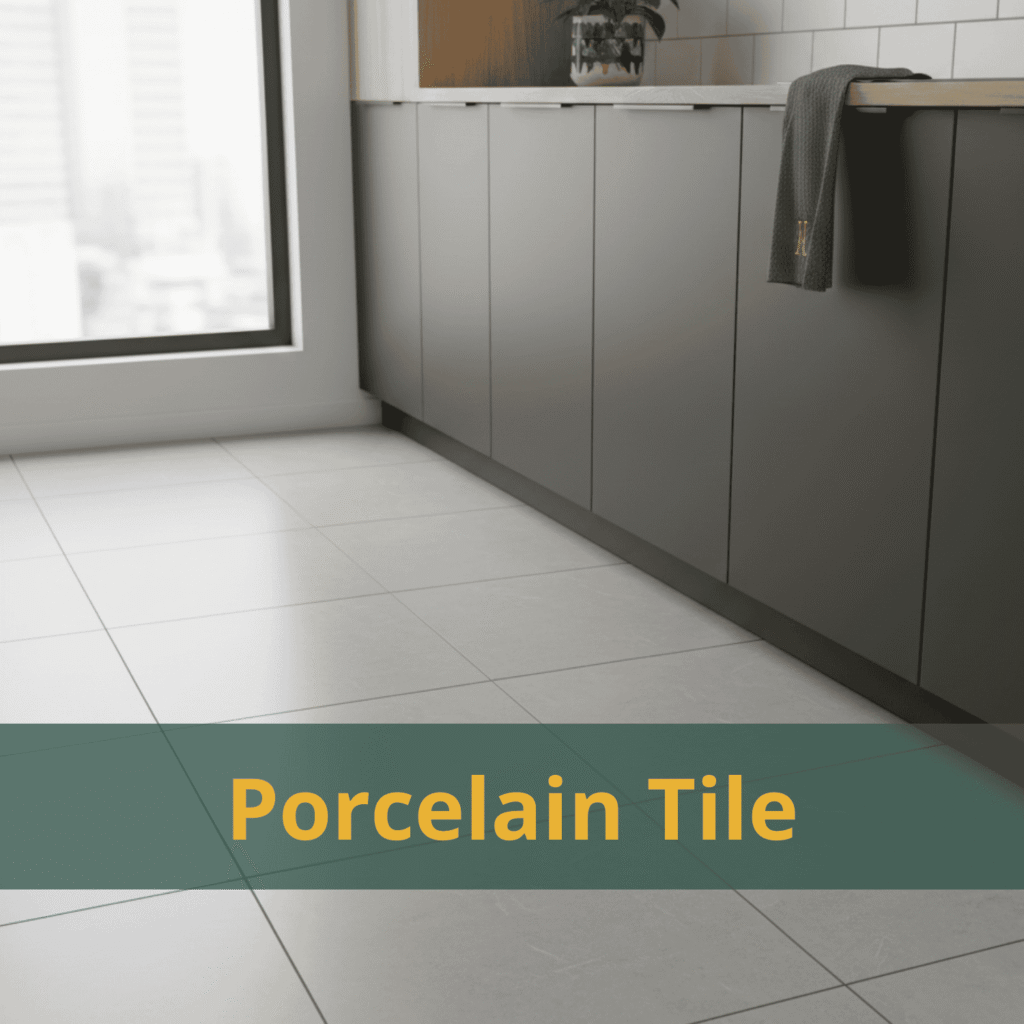
1. Porcelain Tile
Porcelain tile ranks highest for durability. Dense composition resists dents, scratches, heat, and standing water. Grout lines remain the main long-term risk.
2. Wood-Look Porcelain Tile
Wood-look porcelain matches porcelain durability without wood-related moisture risk. It resists scratches, water exposure, and heavy traffic without refinishing.
3. Luxury Vinyl Plank (Rigid Core)
Rigid-core LVP absorbs impact and hides surface wear. Waterproof cores prevent swelling. Low-density products dent under heavy loads.
4. Hybrid and Resilient Flooring
Hybrid floors handle impact better than flexible vinyl. Seam quality defines water performance. Weak locking systems reduce durability.
5. Engineered Hardwood
Engineered hardwood resists wear but reacts to prolonged moisture. Fast cleanup preserves performance. Standing water causes damage.
6. Laminate Flooring
Laminate resists scratches but fails when moisture reaches the core. Edge swelling causes permanent damage.
7. Solid Hardwood
Solid hardwood dents easily and reacts poorly to water. Refinishing restores appearance but does not solve moisture vulnerability.
Pro Tip
Many floors look strong on top but fail from the core. Always confirm core density and seam strength before trusting waterproof claims.
Best Waterproof Flooring for Kitchens (Durability, Seam Strength, Long-Term Protection)
Waterproof flooring stops damage at the surface and the seams. Water-resistant flooring only slows moisture and fails when liquid reaches joints or cores.
True waterproof options use non-absorbent materials and tight locking systems. Porcelain tile, sheet vinyl, and rigid-core luxury vinyl block prevent water from penetrating the floor structure. Water-resistant products rely on coatings and sealed edges, which break down over time.
Seams define failure risk. Wide gaps, weak click systems, and flexible cores allow water to travel beneath planks. Standing water near sinks, dishwashers, and refrigerators exposes these weaknesses quickly.
Kitchens with heavy spill exposure need continuous or tightly locked surfaces. Waterproof materials reduce subfloor damage, mold risk, and repair costs. Long-term protection depends on material choice, seam integrity, and prompt cleanup habits.
Worst Flooring Choices for Kitchens (What to Avoid in 2026)
Kitchen conditions expose weak flooring fast. Water, impact, and daily movement cause early failure in materials that cannot tolerate stress.
High-Risk Flooring Types
These flooring types fail most often in kitchens because they cannot manage moisture, impact, or long-term daily use.
Solid Hardwood
- Absorbs water quickly
- Swells, stains, and warps
- Requires sanding or full replacement after damage
Low-Quality Laminate
- Fails when moisture reaches the core
- Swells at seams with no repair option
- Turns small leaks into a full floor loss
Soft Natural Stone (Limestone, Flagstone)
- Absorbs stains and moisture
- Needs frequent sealing
- Shows wear quickly in busy kitchens
Common Failure Scenarios
- Weak click-lock systems open gaps
- Floating floors shift under appliances
- Water reaches the subfloor unnoticed
Why These Options Underperform
These materials lack water control, seam strength, or impact resistance. Kitchens demand tolerance for spills and mistakes. Floors that fail under pressure increase replacement cost and disruption.
Best Kitchen Flooring for Homes with Dogs and Kids
Busy homes demand flooring that tolerates impact, movement, spills, and noise without constant maintenance. Performance matters more than appearance in family kitchens.
Scratch and Impact Resistance
Dog nails, toys, and dropped items stress floor surfaces daily. Rigid-core luxury vinyl and porcelain tile resist impact better than wood-based floors. Softer materials hide scratches but compress under weight. Dense surfaces protect the structure and limit visible wear.
Slip Resistance and Safety
Wet floors increase fall risk for kids and pets. Matte finishes and textured surfaces improve traction. Smooth wood and polished tile increase slip risk during spills and cleaning. Surface grip matters as much as material strength.
Cleaning Speed and Stain Control
Fast cleanup prevents stains and odors. Waterproof floors block absorption from food spills and pet accidents. Tight seams reduce trapped moisture and bacteria. Floors that resist water simplify daily cleaning routines.
Noise Control and Underfoot Comfort
Hard floors amplify sound from running and movement. Vinyl and cork absorb noise and soften steps. Tile stays loud and rigid without rugs or mats. Comfort reduces fatigue during long kitchen use.
Best Material Matches for Active Homes
- Rigid-core LVP for balanced durability and comfort
- Porcelain tile for maximum strength and water control
- Cork for comfort with added maintenance awareness
Kitchen Flooring Cost Breakdown (United States, 2026)
Kitchen flooring costs vary by material, installation method, and long-term care. Upfront price only shows part of the expense. True cost includes maintenance, repairs, and lifespan.
Cost Per Square Foot by Material
Installation Cost Ranges (United States)
Total Cost of Ownership Perspective
A high upfront cost can save money over time. Durable, low-maintenance floors reduce repair and replacement expenses. Materials that fail under moisture or impact increase total expense. Budget materials often need replacement sooner, adding labor and material cost over time.
Pro Tip
Long-term view pairs durability and maintenance with lifecycle cost, not just material price.
Kitchen Flooring Comfort and Underfoot Feel
Comfort affects how a kitchen feels during long cooking sessions and daily movement. Surface hardness, temperature, and heat transfer shape the underfoot experience.
Standing Fatigue During Cooking
Long periods of standing stress the feet, knees, and lower back. Softer floors absorb shock and reduce fatigue. Rigid surfaces transfer impact directly to joints and increase strain over time.
Hard vs Soft Surface Comparison
Hard surfaces like porcelain and ceramic tile resist wear but feel unforgiving underfoot. Soft and semi-soft surfaces like vinyl and cork cushion steps and reduce impact. Balanced comfort often comes from resilient floors that absorb shock without denting.
Temperature and Insulation Factors
Floor temperature affects comfort year-round. Tile and stone stay cool and pull heat from the body. Vinyl, cork, and wood-based floors retain warmth and improve insulation. Cold floors increase discomfort during extended kitchen use.
Underfloor Heating Compatibility
Underfloor heating works best with dense materials that transfer heat efficiently. Porcelain and ceramic tile perform well with radiant systems. Vinyl and hybrid floors require manufacturer approval and temperature limits. Wood-based floors need strict moisture and heat control.
Kitchen Flooring Maintenance and Long-Term Care
Maintenance defines how a floor performs over years, not weeks. Time, effort, and tolerance for routine care shape the right choice.
Cleaning Routines by Material
- Porcelain and Ceramic Tile
Sweep and damp mop regularly. Clean grout periodically to prevent discoloration. - Luxury Vinyl Plank and Hybrid Flooring
Sweep and mop with mild cleaner. Avoid abrasive tools and excess water. - Engineered Hardwood
Dry sweep and use wood-safe cleaners. Wipe spills fast to limit moisture exposure. - Solid Hardwood
Dry cleaning only. Control humidity and clean spills immediately. - Laminate Flooring
Dry mop and light damp cleaning. Standing water causes damage. - Cork Flooring
Gentle cleaning with sealed-surface products. Avoid soaking. - Sheet Vinyl
Sweep and mop. Minimal care required.
Sealing, Grout Care, and Refinishing
Tile floors need grout cleaning and occasional sealing. Natural stone requires regular sealing. Engineered and solid hardwood need refinishing over time. Vinyl, laminate, and hybrid floors do not support refinishing and rely on surface durability instead.
Time and Effort Comparison
Low-maintenance floors reduce weekly effort and long-term tasks. Vinyl, porcelain, and sheet vinyl require the least time. Wood and cork demand more attention and periodic upkeep.
Maintenance Fatigue Considerations
Frequent care leads to maintenance fatigue. Floors that tolerate spills and dirt reduce daily stress. Choosing low-effort materials improves long-term satisfaction and lowers the risk of neglect-related damage.
Kitchen Flooring Trends That Matter in 2026
Kitchen flooring trends in 2026 focus on performance first. Buyers prioritize durability, water control, and safety over decorative details.
Performance-Driven Choices Over Decor
Floors now win based on how they handle spills, traffic, and cleaning. Materials that fail under daily use lose relevance, even if they look good. Performance sets the baseline for every trend.
Wood-Look Dominance Across Materials
Wood visuals continue to lead, but fewer kitchens use real wood. Luxury vinyl, porcelain, and hybrid floors deliver a wood appearance without moisture risk. Visual warmth now pairs with structural reliability.
Matte Finishes and Slip Resistance
Matte finishes replace glossy surfaces. These finishes reduce glare, hide wear, and improve traction when floors get wet. Slip resistance now ranks as a safety requirement, not a bonus feature.
Growth of Rigid-Core and Hybrid Flooring
Rigid-core and hybrid floors gain adoption because they control movement and resist dents. Thicker cores support appliances and handle temperature changes better than flexible floors. Stability drives this shift.
Decision Rules by Kitchen Condition
Elimination Logic (Use Before Final Choice)
- Remove any floor that absorbs water
- Remove floors with weak locking systems
- Remove materials that require frequent refinishing
- Remove options that fail under dropped objects
Final Selection Rule
The right kitchen floor survives spills, traffic, and cleaning mistakes without constant care. Any option that demands perfection will fail in real kitchens.
Kitchen Flooring FAQs (Common Questions and Practical Answers)
Luxury vinyl plank and porcelain tile perform best in most kitchens. These materials resist water, handle traffic, and require minimal maintenance.
Luxury vinyl plank feels softer and quieter underfoot. Tile lasts longer and resists heat and scratches better. The better choice depends on comfort needs and traffic level.
Porcelain tile ranks as the most durable option. It resists water, impact, heat, and surface wear better than other materials.
Rigid-core luxury vinyl and porcelain tile work best. These floors resist nail scratches, handle accidents, and clean easily.
Laminate works only in low-spill kitchens. Water exposure still causes core swelling and permanent damage.
Durable and water-resistant flooring improves long-term value. Porcelain tile and engineered hardwood attract buyers more than budget materials.
Porcelain tile lasts 20 to 30 years. Luxury vinyl lasts 10 to 20 years. Laminate and sheet vinyl need earlier replaceme
Porcelain tile, luxury vinyl plank, and sheet vinyl require the least maintenance. These floors tolerate spills and routine cleaning without special care.
Conclusion (Overall Performance, Budget, Durability, Family Use, Long-Term Value)
Luxury vinyl plank offers the best overall balance for kitchens in 2026. It manages water, traffic, and daily cleaning without raising long-term risk. Porcelain tile delivers the highest durability and suits kitchens that demand maximum water protection and lifespan. Sheet vinyl and laminate reduce upfront cost but limit long-term performance. Homes with pets and families perform best with rigid-core vinyl or porcelain surfaces. The strongest long-term value comes from flooring that survives mistakes, not flooring that demands perfect use.
Still Confused About Kitchen Flooring — Even After “Researching”?
Specs look good, reviews sound convincing, but the floor still fails once water, traffic, and real life hit. That happens when decisions rely on marketing, not performance. Choose based on durability, water control, and daily use, or the kitchen pays the price.