Richmond, Virginia, is the capital city of Virginia, located along the James River in the central part of the state. It is known for its deep American history, historic neighborhoods, strong arts and food culture, and access to outdoor recreation within an urban setting. Richmond offers a balanced lifestyle that appeals to families, students, professionals, retirees, and visitors looking for culture, affordability, and everyday livability.
Richmond is the capital of the Commonwealth of Virginia and a city shaped by the James River. Its roots go back to Indigenous communities, colonial settlement, and key moments in American history. Over time, the city has grown into a place where historic streets, modern neighborhoods, and outdoor spaces exist side by side.
Richmond is known for its strong sense of place. Historic districts sit close to creative areas, local restaurants, and riverfront parks. The city offers a mix of culture, food, education, and job opportunities that appeal to families, students, professionals, and visitors.
From its early beginnings to its present-day character, Richmond continues to stand out as a city with depth, variety, and everyday livability.
Richmond, Virginia, at a Glance (Quick City Overview)
Richmond, Virginia, is the capital of Virginia and one of the state’s most historically important cities. It blends deep American history with a modern lifestyle shaped by culture, education, and the James River.
What Richmond Is
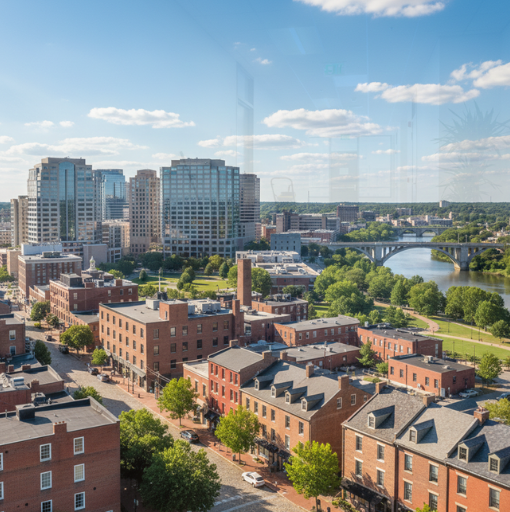
Richmond is a mid-sized Southern city that serves as a political, cultural, and economic center for Virginia. It balances government institutions with creative industries, local businesses, and strong neighborhood life.
Why Richmond Matters
Richmond played major roles in colonial America, the American Revolution, and the Civil War. Today, it remains influential through its historic districts, museums, universities, and growing arts and food scenes.
Who Richmond Is Best For
Richmond suits families seeking stable neighborhoods, students drawn to major universities, professionals looking for career options with lower living costs, and visitors who enjoy history, food, and outdoor spaces.
Where Is Richmond Located?
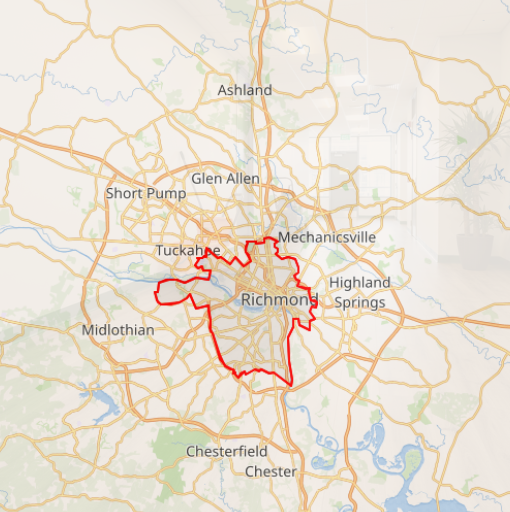
Richmond, Virginia, sits in central Virginia at a natural crossroads of the state. This position has shaped how the city developed, how people move in and out, and why Richmond remains important for travel, business, and daily life.
Richmond lies between the Piedmont region and the Coastal Plain, which made it a practical settlement point and later a strong center for trade and government. The James River runs through the city and has long influenced transportation, industry, and recreation.
Because of its central location, Richmond is within easy driving distance of Washington, D.C., North Carolina, and other major East Coast cities. This access supports commuting, tourism, and regional business while allowing the city to keep a more relaxed pace than larger metros.
Overall, Richmond’s location offers a balance of connectivity and livability. It provides strong links to the East Coast while still offering space, green areas, and a local city feel.
A Complete History of Richmond, Virginia
Richmond’s history reflects many of the most important chapters in American life. From Indigenous communities and colonial settlement to revolution, civil war, and modern change, the city has continuously adapted while preserving its past. Each period has shaped Richmond’s identity, neighborhoods, and role within Virginia and the nation.
Indigenous Roots and Early Settlements
Before European settlement, the area now known as Richmond, Virginia, was home to Indigenous communities led by the Powhatan Confederacy. These groups lived along the river, relying on fishing, farming, and trade. Early European explorers entered the region in the early 1600s, drawn by the river’s resources and strategic value.
Colonial Foundations and City Planning
In the 18th century, colonial development expanded under the influence of William Byrd II, who helped plan and name the city after Richmond in England. Trade grew along the river, and the settlement became an important center for commerce and local governance within colonial Virginia.
Richmond’s Role in the American Revolution
During the Revolutionary era, Richmond gained political importance. Virginia moved its capital from Williamsburg to Richmond for greater security. At St. John’s Church, Patrick Henry delivered his famous call for liberty, which energized the independence movement. British forces later attacked the city, causing damage but not stopping its growth.
Growth After Independence
After independence, Richmond continued to expand as a political and economic center. Thomas Jefferson influenced the city through the design of the Virginia State Capitol. Canal projects and early industries supported trade, manufacturing, and regional connections.
Richmond During the Civil War
Richmond served as the capital of the Confederate States during the Civil War. Key sites such as Tredegar Iron Works supported wartime production. In 1865, the city fell to Union forces after heavy damage, marking a turning point in both local and national history.
Reconstruction and Industrial Expansion
Following the war, Richmond entered a period of rebuilding. Tobacco production, railroads, and new technologies reshaped the economy. Neighborhoods expanded, and industry helped restore jobs and infrastructure, setting the stage for modern urban growth.
20th-Century Richmond
In the 20th century, Richmond became a center of Black culture and entrepreneurship, especially in Jackson Ward. Leaders such as Maggie L. Walker played key roles in business and community development. The city also grew in media, arts, and education while experiencing major civil rights changes.
Richmond in the 21st Century
In recent decades, Richmond has continued to evolve. Cultural shifts, the removal of many Confederate monuments, and new investment have reshaped the city’s image. Today, Richmond reflects a more diverse and inclusive identity while preserving its historic foundations.
Landmarks and Historic Sites in Richmond
Richmond’s landmarks reflect the city’s political roots, industrial past, and changing public memory. These sites are spread across walkable areas and riverfront districts, making it easy to understand the city’s story through places rather than timelines.
- Virginia State Capitol
A working seat of government and a symbol of early American ideals, set within Capitol Square. - St. John’s Church
Known for its role in the American Revolution, it is preserved as a key historic site. - Tredegar Iron Works
An important industrial complex from the Civil War era, now part of a larger historical park. - Monument Avenue
A grand boulevard that reflects both historic commemoration and modern re-evaluation of public monuments. - Shockoe Bottom and Shockoe Slip
One of the city’s oldest areas, shaped by trade, industry, and later redevelopment near the river. - Maymont A preserved historic estate featuring gardens, a mansion, and parkland that reflects Richmond’s Gilded Age history and public green space legacy
These landmarks give a clear picture of how Richmond’s past remains visible in everyday city life.
Richmond’s Neighborhoods and Districts
Richmond’s neighborhoods shape how people live, move, and connect with the city. Each area has its own pace, housing style, and local culture, which makes neighborhood choice an important part of daily life.
Overview of Richmond’s Neighborhood Structure
Richmond is divided into districts that range from dense urban areas near downtown to quieter suburban communities on the edges. Older neighborhoods grew around industry, churches, and streetcar lines, while newer areas developed with modern housing and retail. This mix gives residents many living options within the same city.
Historic Neighborhoods
Several neighborhoods are closely tied to Richmond’s past and still reflect it today.
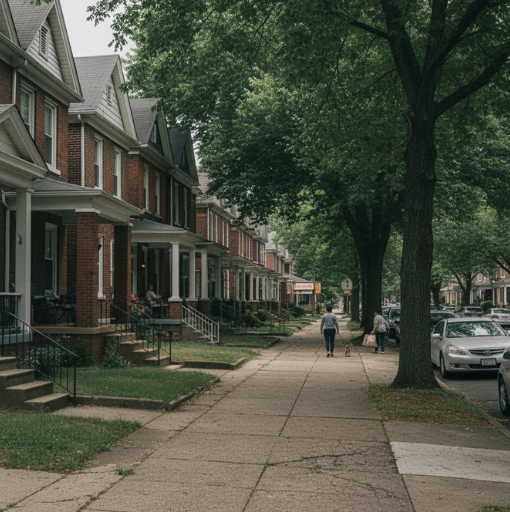
- Fan District
Known for early 20th-century row houses, tree-lined streets, and walkable blocks.
- Church Hill
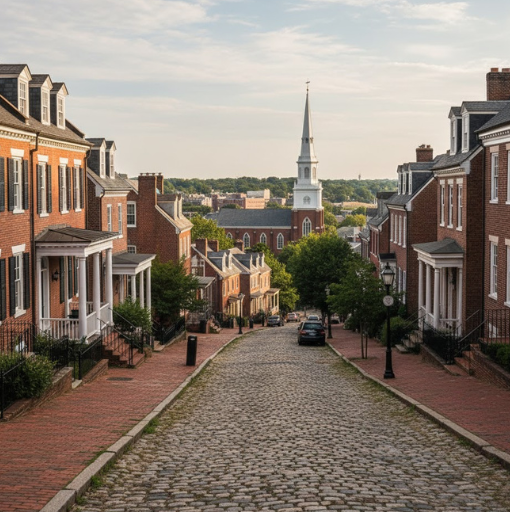
One of the city’s oldest areas, with cobblestone streets, hillside views, and a strong local identity.
- Jackson Ward
A nationally recognized center of Black history, business, and culture.
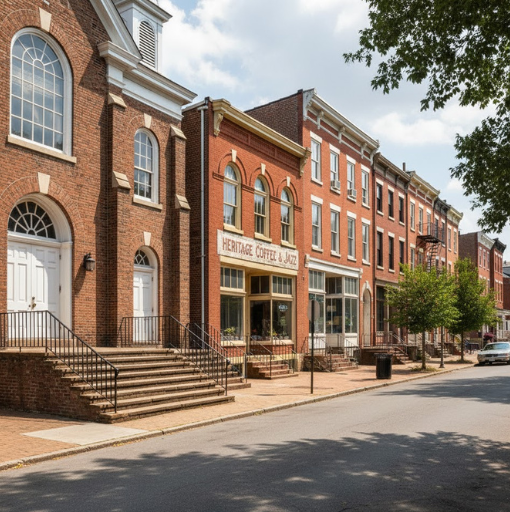
Architecture in these neighborhoods often includes brick townhomes, historic churches, and preserved public spaces.
Arts and Cultural Districts
Some areas are known for museums, local shops, and creative activity.
- Museum District
Home to major museums and walkable residential streets. - Carytown
A lively corridor filled with local stores, restaurants, and theaters.
These districts attract residents who enjoy walkability, events, and creative spaces.
Modern and Suburban Areas
Newer neighborhoods focus on space, convenience, and updated housing.
- Short Pump
A major suburban hub with shopping centers, offices, and newer homes. - Southside
A broad area with a mix of established communities and ongoing development.
These areas often appeal to people looking for newer housing and easy access to highways.
Choosing the Right Neighborhood
Pro Tip
Choosing the right neighborhood depends on daily needs, budget, and how connected you want to be to the city center.
Richmond’s Dining Scene and Food Culture
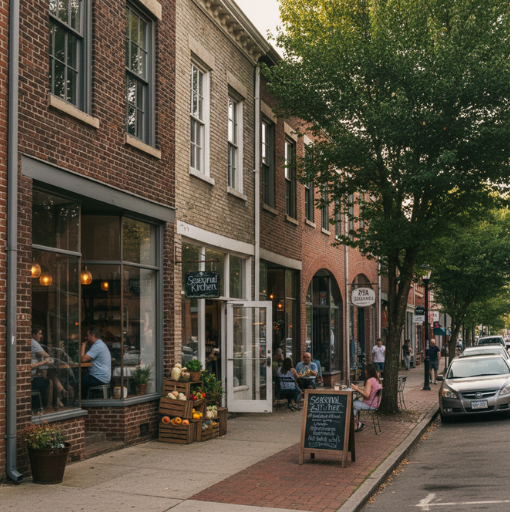
Food in Richmond reflects the city’s history and its modern creativity. Traditional Southern flavors sit alongside newer ideas, with many restaurants focusing on local ingredients and seasonal menus.
Richmond’s Culinary Identity
Richmond’s food culture blends classic Southern cooking with modern techniques. Many kitchens follow a farm-to-table approach, using regional produce, meats, and dairy. This balance keeps menus familiar while allowing chefs to experiment.
Popular Dining Areas
Eating out in Richmond often depends on the neighborhood.
- Carytown offers casual spots, international food, and long-standing local favorites.
- Downtown and the historic river districts of Shockoe Bottom and Shockoe Slip blend restaurants, nightlife, and older architecture.
- Many residential neighborhoods also support small restaurants that serve local communities.
Breweries, Cafes, and Local Favorites
Richmond has built a strong reputation for craft beer, with breweries spread across former industrial areas and newer districts. Coffee shops are common gathering places, often doubling as workspaces and community hubs. Food halls and public markets add variety by bringing several vendors together in one space.
Food Festivals and Dining Events
Throughout the year, food-focused events highlight Richmond’s dining culture. Seasonal tastings, street food events, and neighborhood festivals give visitors and residents a chance to try local dishes and discover new restaurants.
Arts, Culture, and Entertainment in Richmond
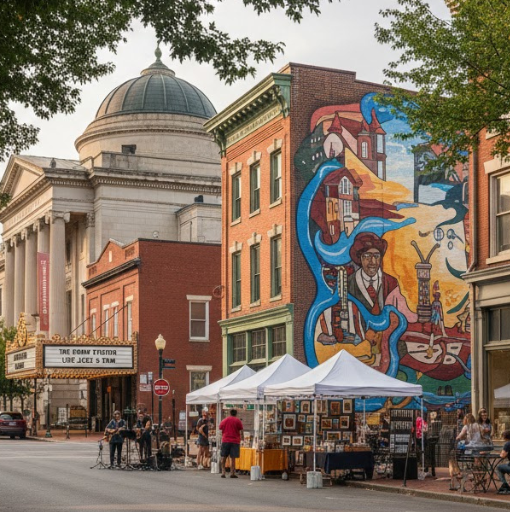
Richmond’s cultural life is active and local. Art, music, and public events are woven into daily life, from museums and theaters to street murals and neighborhood festivals.
Museums and Historic Attractions
Richmond supports a strong museum network that covers art, history, and science. These spaces protect the city’s heritage while keeping exhibits accessible to the public.
- Virginia Museum of Fine Arts focuses on global and American art in a free, open setting.
- History-focused museums and preserved sites explain Richmond’s role in major national events.
- Ongoing preservation efforts protect historic buildings and districts across the city.
Music, Theater, and Performing Arts
Live performance is a regular part of Richmond’s entertainment scene.
- Local venues host concerts across many music styles.
- Community and professional theaters stage plays, dance, and touring productions.
- Cultural institutions support both established artists and new performers.
Public Art and Murals
Public art plays a visible role in Richmond’s streets and neighborhoods.
- Murals appear on buildings throughout the city, often reflecting local history and social themes.
- City-supported mural programs encourage artists to work directly within communities.
Annual Festivals and Events
You know what?
These events bring residents and visitors together and highlight Richmond’s creative spirit.
Parks, Outdoor Recreation, and the James River
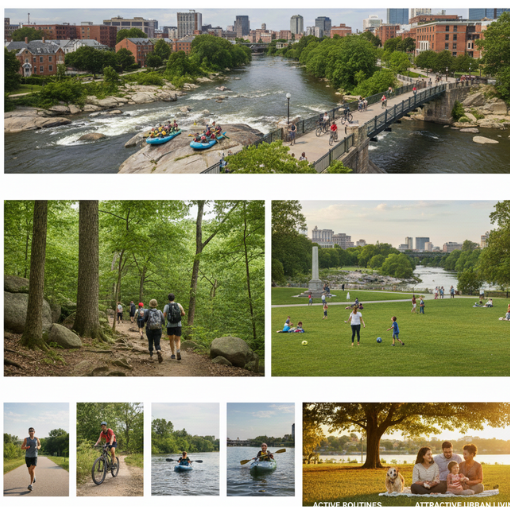
Outdoor access is one of Richmond’s strongest features. Parks, trails, and riverfront spaces are built into daily city life, not set apart from it. Many residents can reach green space within minutes of home or work.
The James River as a Natural Center
The James River runs directly through the city and shapes how people spend time outdoors. It supports kayaking, rafting, fishing, and riverside walking paths. The river also defines views, neighborhoods, and public spaces along its banks.
James River Park System
This connected park system stretches for miles along both sides of the river. It includes wooded trails, rocky overlooks, picnic areas, and access points to the water. It feels wild in places, even though it sits inside the city.
Major City Parks and Green Spaces
Beyond the river, Richmond maintains many neighborhood and destination parks. These parks support everyday activities such as walking, sports, family outings, and community events. Larger parks often combine open lawns with shaded paths and historic features.
Outdoor Activities Available
Richmond supports many outdoor interests in one place:
- Walking and running on urban and riverside trails
- Cycling on paved routes and natural paths
- Kayaking and rafting during warmer months
- Casual recreation like picnics, dog walking, and nature watching
Why Outdoor Access Matters
Easy access to nature improves the quality of life in Richmond. It encourages active routines, supports mental well-being, and makes the city attractive to families, professionals, and visitors who value outdoor time without leaving an urban setting.
Climate, Weather, and Seasonal Lifestyle in Richmond
Richmond has a four-season climate that shapes daily routines, housing choices, and outdoor habits. Weather patterns are predictable, but seasonal changes can be noticeable, especially in summer.
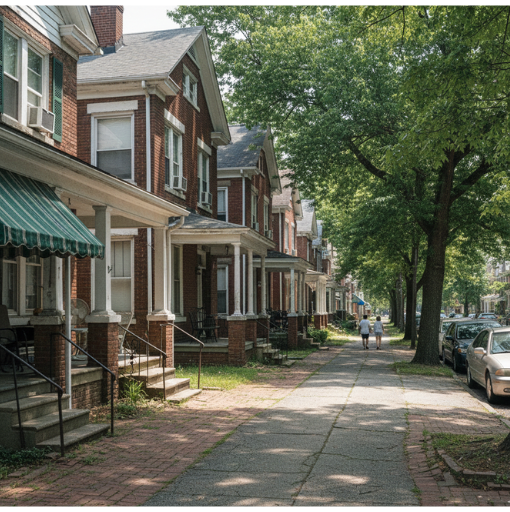
Richmond’s Climate Overview
Richmond experiences a humid subtropical climate.
- Summers are hot and humid, with frequent afternoon heat.
- Winters are generally mild, with occasional cold snaps and light snow.
- Rainfall is spread across the year, with heavier storms in warmer months.
- Flood risk exists in low-lying areas near the river during major storms, though flood controls and monitoring are in place.
Best Time to Visit Richmond
Spring and fall are usually the most comfortable for walking and exploring, while summer requires planning around heat.
How Richmond’s Weather Affects Daily Life
Weather plays a clear role in how people use the city.
- Outdoor time shifts to mornings and evenings during summer heat.
- River activities depend on water levels and temperature.
- Homes and workplaces rely heavily on air conditioning in warmer months.
- Mild winters allow people to stay active outdoors most of the year.
ProTip
Understanding Richmond’s climate helps residents and visitors plan routines, housing, and activities more comfortably.
Living in Richmond, Virginia (Everyday Experience)
Living in Richmond feels practical and balanced. The city offers urban convenience without constant congestion, and many daily needs are close to home. Life here is shaped by neighborhoods, seasonal routines, and local connections rather than fast-paced city pressure.
Cost of Living Overview
Richmond is often chosen for its reasonable living costs compared to larger East Coast cities. Housing is the biggest factor, with wide price differences by neighborhood. Utilities stay moderate overall, though summer cooling can raise bills. Transportation costs depend largely on car use, since most residents drive. For many households, Richmond allows a stable lifestyle without constant financial strain.
Housing Types and Living Options
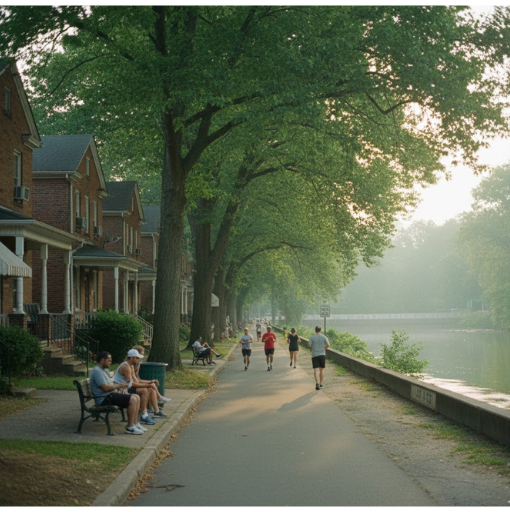
Housing in Richmond reflects its long history and steady growth. Older parts of the city feature historic houses with distinct layouts and character. Apartments are common near downtown, universities, and main corridors. Outside the city core, newer developments offer modern homes with more space, appealing to families and long-term residents.
Demographics and Community Life
Richmond’s population includes a mix of ages, backgrounds, and household types. Students add energy near university areas, while families and older residents shape quieter neighborhoods. Community life often centers on local parks, schools, churches, and neighborhood groups, giving many areas a strong regional identity.
Safety, Crime, and Neighborhood Security
Safety in Richmond is closely tied to specific neighborhoods rather than the city as a whole. Some areas feel very residential and calm, while others require more awareness. Community involvement plays an important role through neighborhood associations and local programs. Public safety services focus on both response and prevention, with residents often choosing locations based on comfort, walkability, and familiarity.
Case Study: Living in Richmond, Virginia as a Local Resident
Richmond, Virginia, is a historic state capital with deep cultural roots and a modern urban layout. According to Wikipedia, the city has played key roles in American history while continuing to grow as a regional economic and cultural center.
Situation
A resident relocating from a larger East Coast city wanted a place that offered affordability, manageable commute times, and access to green spaces, while still maintaining cultural and professional opportunities.
Economy, Jobs, and Business in Richmond (Local Economy Snapshot)
Richmond’s economy is steady and diverse. It does not rely on one single industry, which helps protect jobs during slower periods. Government, education, healthcare, and creative work all play visible roles in how the city functions.
Major Industries and Employers
Several sectors support most jobs in the city. Together, they create a balanced economy that avoids dependence on a single industry.
Government
Several sectors support most jobs in the city. Together, they create a balanced economy that avoids dependence on a single industry.
Finance and Professional Services
Richmond’s role in finance is reinforced by institutions such as the Federal Reserve Bank of Richmond, which serves the Fifth Federal Reserve District and supports regional economic stability.
Healthcare
Hospitals, clinics, and research centers provide steady employment across clinical, technical, and administrative roles. Healthcare remains one of the most reliable job sectors in the city.
Education
Universities and colleges, including Virginia Commonwealth University, support teaching, research, healthcare education, and administrative work. Education also feeds talent into other local industries.
Arts and Creative Economy
Design, media, food, and cultural work contribute to both employment and city identity. Creative industries support small businesses, tourism, and neighborhood-level economic activity.
Job Market and Career Opportunities
The job market in Richmond grows at a measured pace. Many residents build long-term careers rather than short-term moves. Entry-level roles, mid-career positions, and leadership jobs are all present, especially in healthcare, education, and public service. Professionals often choose Richmond for lower living costs while keeping access to regional career options.
Small Business and Entrepreneurship
Small businesses play a visible role in Richmond’s economy.
- Local shops, restaurants, and service businesses are spread across neighborhoods
- City and regional programs support permits, licensing, and startup guidance
- Creative and service-based startups often grow from community demand rather than outside investment
Entrepreneurship in Richmond is practical and community-driven, not high-pressure or speculative.
Education and Universities in Richmond (Learning Environment Overview)
Education plays a strong role in Richmond’s identity. From neighborhood schools to large universities, learning institutions shape daily life, employment, and the city’s age mix.
Public and Private Schools
Richmond offers both public and private education options across the city.
Public schools serve local neighborhoods and reflect the city’s diversity. School quality can vary by area, which makes location an important factor for families. Private schools provide additional choices, often with smaller class sizes and specialized programs. Overall, the educational environment encourages steady improvement, with strong community involvement around schools.
Colleges and Universities
Higher education has a visible impact on Richmond’s economy and culture.
- Virginia Commonwealth University brings a large student population, medical research, and arts programs into the city.
- University of Richmond is known for its liberal arts focus and business education.
- Virginia Union University contributes to Richmond’s academic and cultural history.
Students influence housing demand, public transport use, nightlife, and creative spaces. Their presence keeps parts of the city active year-round and supports local businesses.
Healthcare and Medical Facilities in Richmond (Access & Quality of Care)
Healthcare access is a key reason many people choose to live in Richmond. The city supports a full range of medical services, from routine care to specialized treatment, within short travel distances.
Major Hospitals and Health Systems
Richmond’s healthcare network includes large systems and teaching hospitals that serve the city and the wider region.
- VCU Health provides advanced care, medical research, and trauma services.
- Bon Secours Richmond Health System operates multiple hospitals and outpatient centers across the area.
- HCA Virginia Health System offers emergency care, surgical services, and specialty treatment.
These systems cover most medical needs without leaving the metro area.
Access to Healthcare
Most neighborhoods are within easy reach of clinics, urgent care centers, and pharmacies. Primary care, specialists, and emergency services are widely available, which reduces wait times and travel stress for residents. Public and private insurance options are commonly accepted across major providers.
Why Healthcare Matters for Quality of Life
Reliable healthcare affects daily comfort and long-term planning.
- Families value nearby pediatric and family medicine services
- Older residents benefit from specialists and ongoing care options
- Professionals consider healthcare access when choosing neighborhoods
- Visitors feel more secure knowing emergency care is close by
Strong medical infrastructure adds stability to Richmond and supports residents at every life stage.
Religion, Faith, and Community Diversity (Belief, History, and Daily Life)
Faith has shaped Richmond’s neighborhoods for centuries and continues to influence community life today. The city supports many belief systems, historic traditions, and modern faith groups living side by side.
Historic Religious Institutions
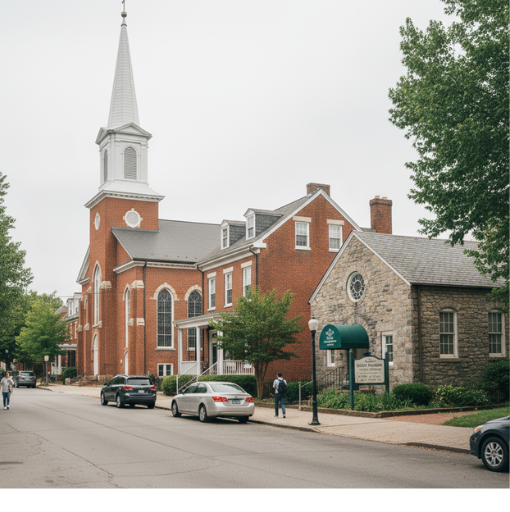
Richmond’s religious history reflects its long past and diverse population.
Many neighborhoods grew around churches and synagogues that still serve local communities today. Landmarks such as the Cathedral of the Sacred Heart and Congregation Beth Ahabah represent Christian and Jewish heritage that dates back generations. These institutions remain active centers for worship, education, and community events.
Modern Faith Communities
Richmond’s population today includes a wide range of faith traditions.
Mosques, temples, and interfaith centers serve Muslim, Hindu, Buddhist, and other religious groups across the city and nearby counties. Newer congregations often reflect immigration patterns, university growth, and changing neighborhoods. This variety allows residents to practice their faith openly while sharing the city with people of different beliefs.
Community Outreach and Inclusion
Faith groups in Richmond often work beyond worship alone.
Many religious organizations partner on food programs, shelters, youth mentoring, and support for refugees and low-income families. Interfaith events encourage dialogue, reduce barriers, and strengthen trust between communities. This cooperation helps Richmond maintain a welcoming and socially connected environment
City Services and Local Government (Public Services and Resident Support)
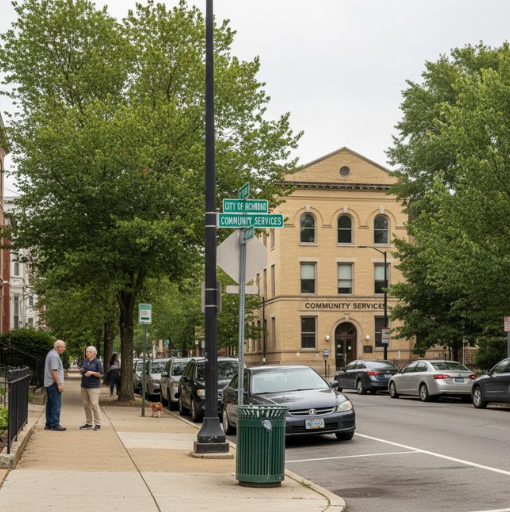
Richmond’s local government focuses on everyday services, public access, and community support. These systems help residents report problems, stay informed, and access assistance across all stages of life.
City Departments and Services
Core services are managed by departments within the City of Richmond.
Utilities
The city provides drinking water, wastewater treatment, and natural gas services. These systems support public health, household needs, and long-term infrastructure planning.
Public Works
Public works teams maintain streets, sidewalks, traffic signals, trash and recycling services, and stormwater systems. They also handle snow response, street lighting, and upkeep of public spaces.
Civic Engagement and Public Resources
Residents have clear ways to interact with the city government.
Reporting issues
Service requests such as potholes, missed trash pickup, or broken streetlights can be reported through the city’s 311 system or online service portals. This helps problems get tracked and resolved faster.
Community involvement
Service requests such as potholes, missed trash pickup, or broken streetlights can be reported through the city’s 311 system or online service portals. This helps problems get tracked and resolved faster.
Support Services for Residents
Richmond offers targeted programs for different community needs.
Seniors
Services include senior centers, transportation assistance, health programs, and housing support designed to help older adults live independently.
Youth
Youth programs focus on education support, recreation, job readiness, and safe community spaces through schools and local organizations.
Veterans
Veterans can access housing help, employment resources, and benefit guidance through city-supported and partner programs..
Small businesses
Entrepreneurs and local business owners receive help with permits, licensing, financing guidance, and development programs to support local economic growth.
Department and Service Directory (Quick Reference for Residents)
This section works as a fast lookup guide. It helps residents and visitors quickly identify which department handles which service within the City of Richmond, without repeating details already covered earlier.
City Departments and Public Services
These departments manage essential city operations and infrastructure.
Community, Housing, and Support Services
Focused on health, housing stability, and family support.
Government, Finance, and Administration
These offices handle leadership, policy, and city operations.
Business, Culture, and Environment
Departments that support economic growth, tourism, and sustainability.
Visiting Richmond, Virginia (Travel Planning Overview)
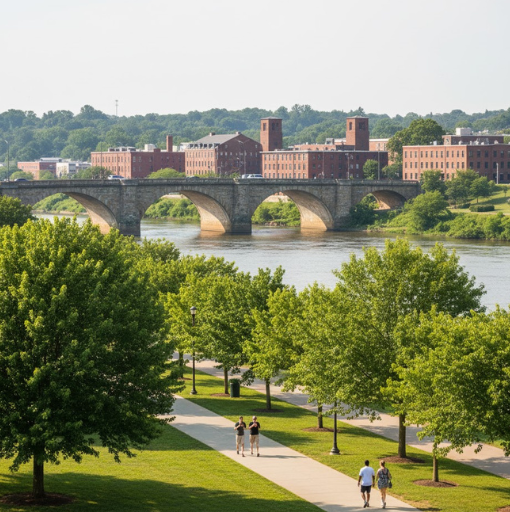
Richmond is easy to visit and easy to plan. Its central East Coast location, compact layout, and mix of history, culture, and outdoor attractions make it suitable for both short trips and longer stays.
Getting to Richmond
Richmond is well-connected by road, rail, and air, making travel simple from nearby states and major cities.
By Road
Direct access via I-95 and I-64 connects Richmond with Washington, D.C., North Carolina, and other East Coast cities. Driving is the most flexible option for nearby travelers.
By Rail
Amtrak offers regular service to Richmond from Washington, D.C., New York, and other regional hubs, making train travel a practical choice for city-to-city trips.
By Air
Richmond International Airport (RIC) provides nonstop and connecting flights to major US destinations and is located close to downtown.
Things to Do for Visitors
Richmond offers a balanced mix of history, outdoor access, and cultural experiences without long travel times inside the city.
History
Richmond offers a balanced mix of history, outdoor access, and cultural experiences without long travel times inside the city.
Outdoor Activities
Riverfront trails, city parks, and James River access support walking, biking, kayaking, and relaxed outdoor time.
Arts and Food
Art museums, live performances, local dining, and craft beer spots are spread across central neighborhoods.
Family-Friendly Attractions
Richmond works well for families visiting with children of different ages.
Parks and Open Spaces
Large green areas, playgrounds, and riverfront parks provide room for outdoor activity and relaxation.
Interactive Museums
Hands-on science, history, and art museums offer learning experiences designed for children and teens.
Seasonal Events
Outdoor events and community festivals often include activities suitable for families.
Weekend and Short-Trip Planning
Richmond is often described as a quick-escape destination.
Weekend and Short-Trip Planning
Many visitors can reach Richmond on a single tank of fuel from Washington, D.C., Maryland, and much of Virginia, making it ideal for short, low-planning trips.
Who Richmond, Virginia Is Best For (Lifestyle Fit Overview)
Richmond attracts different types of people for different reasons. Its mix of affordability, culture, education, and outdoor access makes it flexible rather than one-dimensional.
Families
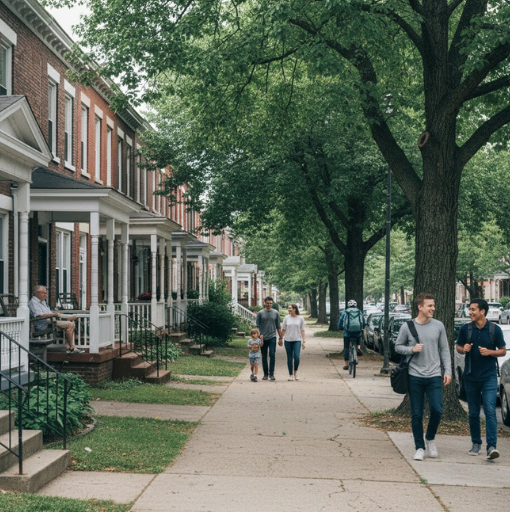
Richmond works well for families who want space, stability, and access to daily essentials.
Many neighborhoods offer single-family homes, parks, schools, and community programs. The city’s size keeps commute times manageable, while nearby green spaces and family-focused attractions support everyday life.
Students
Students are drawn to Richmond because education is part of the city’s identity.
Universities, colleges, and creative programs shape the local culture. Students benefit from walkable districts, part-time job options, public transit access, and an active arts and music scene.
Professionals
Richmond appeals to professionals looking for career options without the pressure of high-cost cities.
Government, finance, healthcare, education, and creative industries offer steady employment. Many professionals choose Richmond for its lower living costs, growing job market, and balanced work-life pace.
Retirees
Retirees often choose Richmond for comfort, access, and community.
Healthcare access, cultural activities, mild seasons, and historic neighborhoods support an active but relaxed lifestyle. The city also offers quieter residential areas close to services and amenities.
Tourists
Richmond suits travelers who want variety without overplanning.
Visitors can experience history, food, outdoor recreation, and arts within a compact area. It works well for weekend trips, short stays, and repeat visits focused on different interests each time.
FAQs About Richmond, Virginia
Richmond is generally affordable compared to other East Coast cities. Housing costs are lower than in Washington, D.C. and Northern Virginia, while utilities and transportation remain close to the national average.
Yes, vinyl plank flooring can be installed directly on concrete. However, it's essential to ensure that the concrete is clean, dry, and level before installation. Consider using a moisture barrier underlayment to protect the vinyl from excess moisture that could seep through the concrete over time.
Richmond blends Southern traditions with a modern, creative culture. Historic neighborhoods, universities, art districts, and local food scenes all shape the city’s identity.
Richmond is known for its role in American history, its location along the James River, strong arts and food culture, and walkable historic neighborhoods.
Yes, many families choose Richmond for its stable neighborhoods, parks, schools, and shorter commute times compared to larger metro areas.
Safety varies by neighborhood, as in most cities. Many residential areas are considered stable and community-focused, with local programs supporting public safety.
Richmond offers jobs in government, healthcare, finance, education, and creative industries. The job market favors steady growth and long-term stability.
Richmond is student-friendly due to its universities, cultural life, public transportation options, and part-time work opportunities near campuses.
Residents and visitors enjoy walking trails, biking, kayaking, and riverfront parks centered around the James River and city green spaces.
Spring and fall are the most comfortable seasons, with mild weather and outdoor activities. Summers are warm and active, while winters are generally mild.
Yes, Richmond is often considered a “one-tank trip” from nearby states. Its compact layout allows visitors to experience history, food, and outdoor attractions in a short stay.
Richmond attracts families, students, professionals, retirees, and tourists who value balance, affordability, culture, and access to nature.
Final Thoughts on Living in or Visiting Richmond, Virginia
Richmond stands out because it offers depth without feeling overwhelming. History, culture, food, and outdoor access all exist within a city that still feels livable and connected. You do not need to choose between tradition and progress here. Both exist side by side.
For residents, Richmond offers long-term value. Housing remains more accessible than in many East Coast cities. Career options are steady. Neighborhoods feel distinct and rooted. Daily life moves at a pace that allows people to work, explore, and settle without constant pressure.
For visitors, Richmond delivers variety in a short time. Historic sites, museums, parks, riverfront trails, and local dining sit close together. A single visit can focus on history, food, or outdoor activity, while repeat trips always feel different.
Whether you plan to move, study, work, retire, or simply explore, Richmond offers room to grow, learn, and enjoy life without compromise.