
Vinyl plank flooring is simple to install but easy to mess up.
Small mistakes like skipping subfloor prep, ignoring expansion gaps, or rushing cuts can
cause gaps, warping, and uneven surfaces. This guide explains the most common vinyl plank flooring installation errors, why they happen, and how to fix or prevent them for a smooth, long-lasting finish.
I’ve seen it a homeowner spends the whole weekend laying new vinyl plank flooring, only to
notice gaps, lifted edges, or a hollow sound underfoot a few days later.
It’s not that the flooring is poor quality, it’s usually a few small installation mistakes that cause
big problems later. The kind of errors most people don’t even realize they’re making until it’s too late.
The good news?
Every one of these mistakes is preventable.
In this guide, I’ll walk you through the most common vinyl plank flooring installation errors,
The ones I’ve seen ruin great floors and show you how to avoid them like a pro.
Need help with your flooring project?
We’ll guide you step by step from picking the right planks to finishing the last row.
Why Small Mistakes Can Ruin the Look of Your Floor?
Vinyl plank flooring seems simple enough click, lock, and done. But small errors in the
process can quietly ruin the final look. You may not see the problem right away, but it starts
showing up within days or weeks.
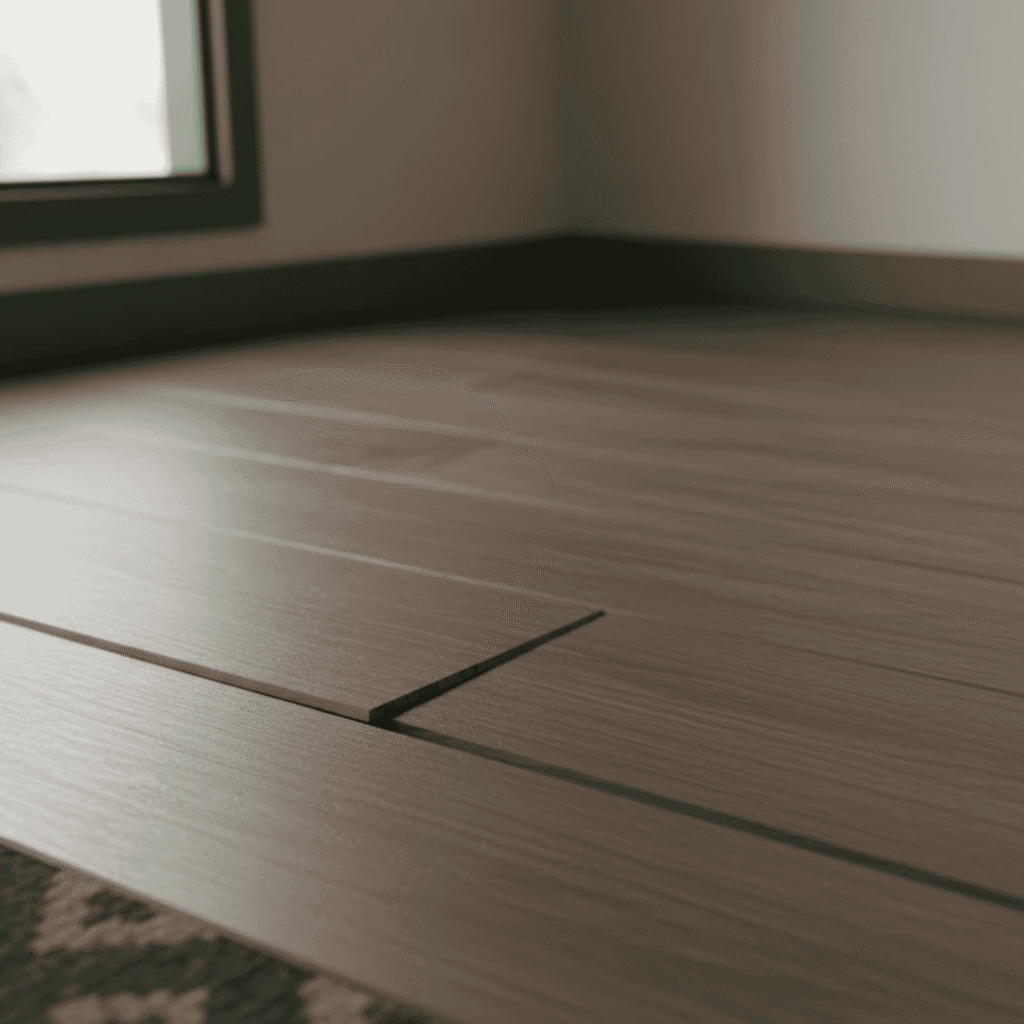
Here’s what usually happens:
● Gaps appear between planks, breaking the clean pattern.
● Edges lift, catching dust or light from the window.
● A creaking sound develops where planks don’t sit evenly.
These little flaws might look minor at first, but they spread fast. Once the floor starts to move,
it keeps shifting with every step.
Why does it happen?
● Skipping basic preparation like leveling the subfloor. ● Using the wrong tools or dull blades.
● Rushing the installation without checking alignment.
Pro Tip
Slow, careful installation beats speed every time.
Take an extra few minutes to measure, align, and double-check it’s the
difference between a perfect finish and a floor that never sits right.
Mistakes Before You Start Installation of vinyl plank
Before you even place your first vinyl plank, the success of your floor depends on what
happens behind the scenes.
These are the most common preparation mistakes that lead to problems later.
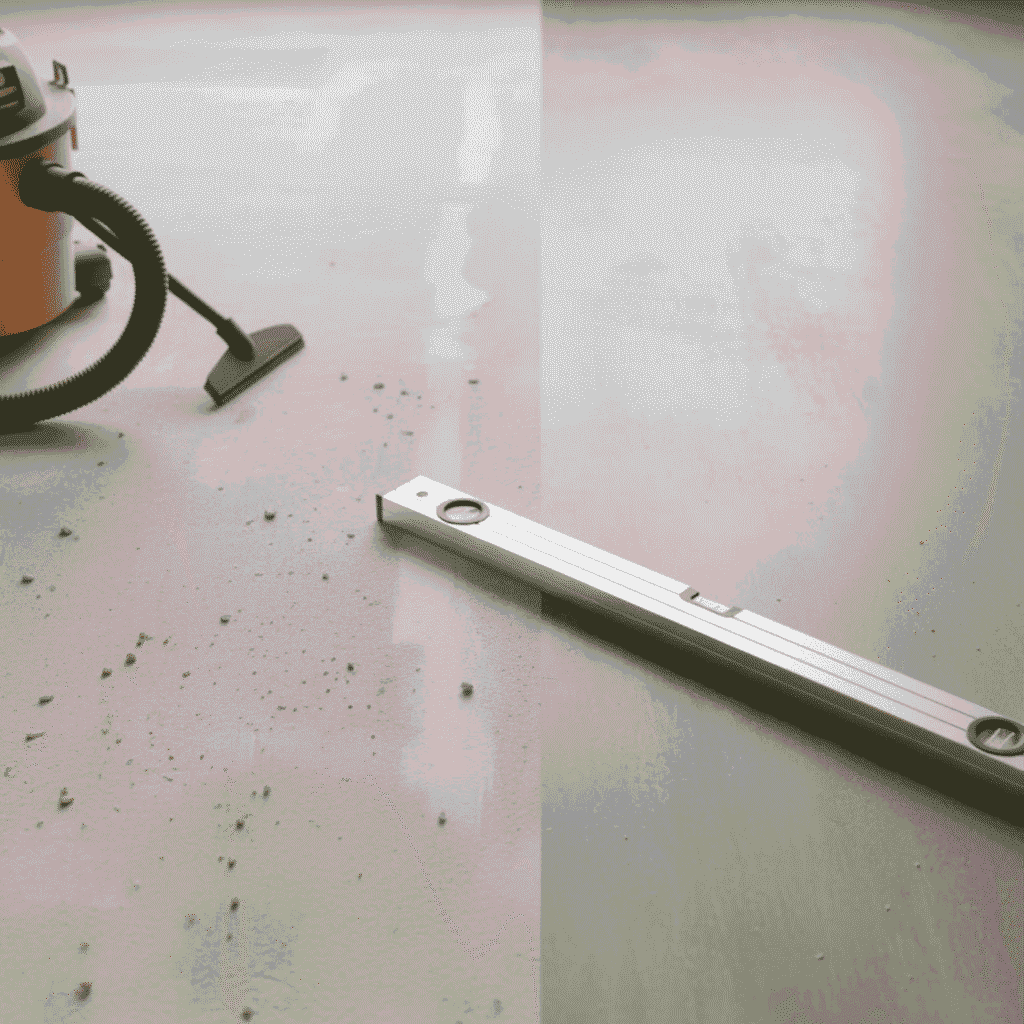
1. Not Preparing the Subfloor Properly
Your subfloor is the foundation for everything. If it’s uneven, dusty, or still damp, the planks
won’t lock correctly.
You’ll end up with small gaps or areas that feel soft when you walk.
Always make sure the subfloor is clean, dry, and perfectly level before you start.
2. Skipping Acclimation Time
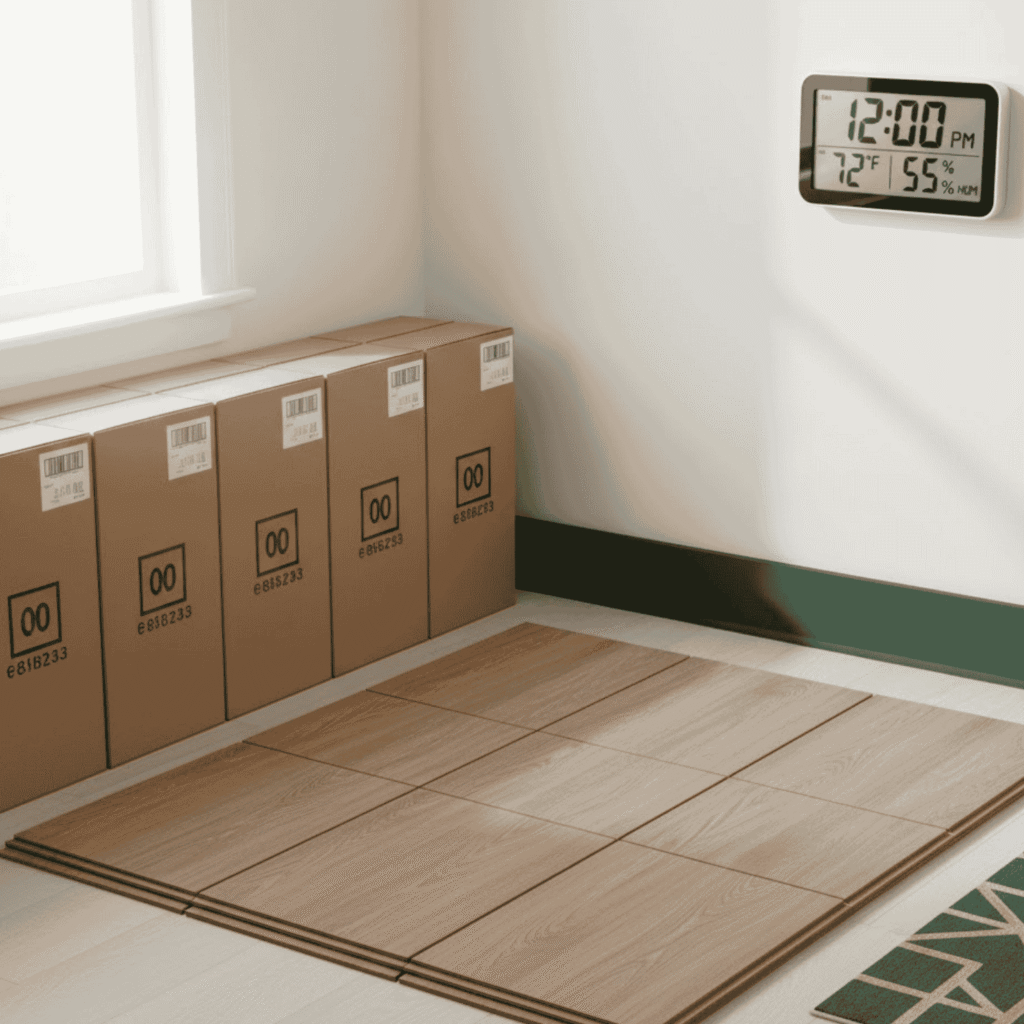
Vinyl planks need time to adjust to the room’s temperature and humidity.
If you skip this step, the planks can expand or shrink after installation, creating visible gaps
or lifted edges.
Let them rest flat in the room for at least 48 hours before installation.
3. Ignoring Moisture and Temperature Conditions
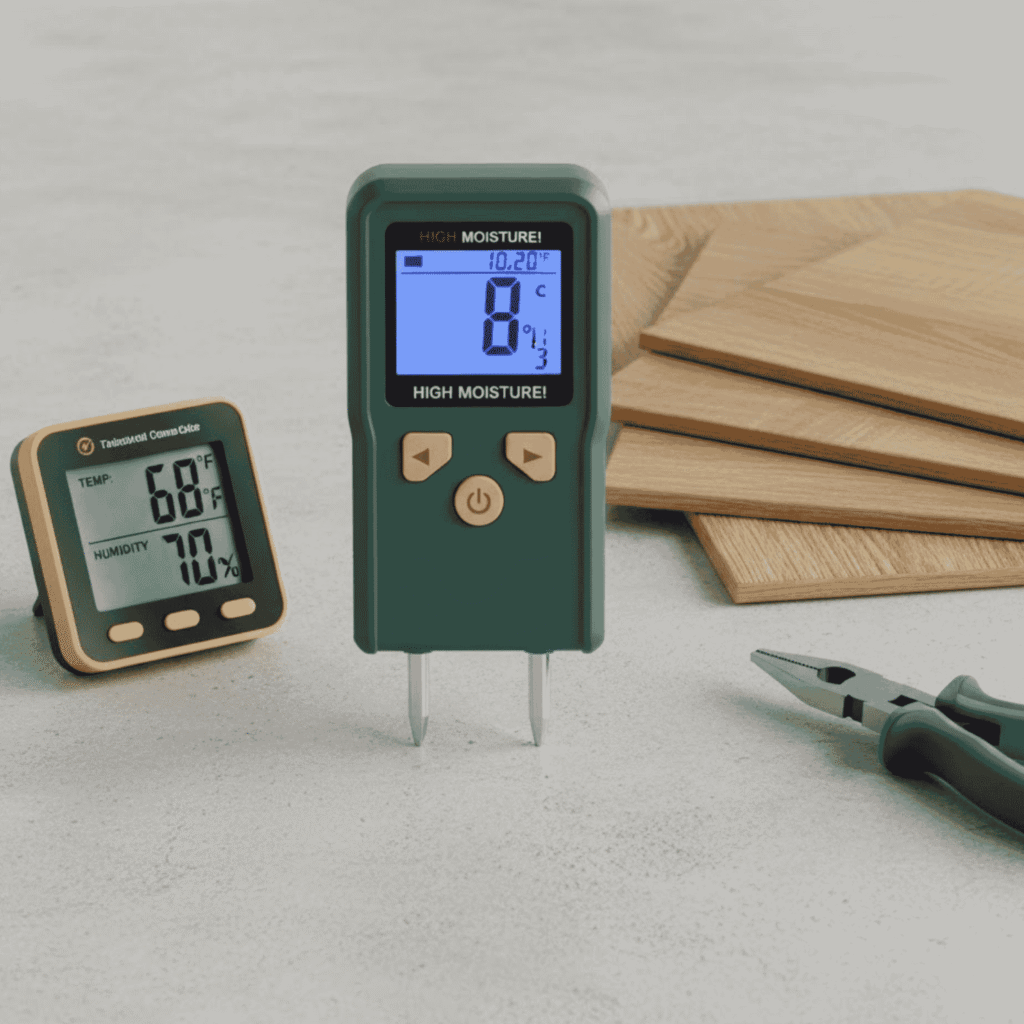
Rooms that are too cold or too humid can cause the planks to warp or lose their tight fit.
Check moisture levels using a simple moisture meter, and make sure the room temperature
stays steady between 65°F and 85°F.
4. Not Planning the Layout
Jumping straight into installation without a layout plan often ends with narrow cuts at the
edges or misaligned seams.
Lay out a few planks first to see how they fit the room and where your cuts will fall.

Pro Tip
Planning your layout before cutting saves both time and wasted
material. It also gives your floor a balanced, professional look.
Mistakes During Installation of vinyl plank
Once the floor prep is done, it’s time to install.
This is where most people make small but costly errors that ruin the finish.
Here’s what to watch out for while laying your vinyl planks.

1. Installing Planks in the Wrong Direction
The direction of your planks changes how your entire room looks.
Always install planks parallel to the longest wall or in the same direction as the main light
source.
This makes the room feel bigger and the seams less visible.
2. Forgetting Expansion Gaps
Vinyl flooring expands and contracts with temperature and humidity.
Leaving a 1⁄4-inch expansion gap around all walls and door frames prevents buckling or
warping later.
Without that space, your planks will press against the wall and lift over time.
3. Not Staggering Seams Correctly
When seams line up in a straight row, the floor loses its strength and looks unnatural.
Always stagger plank joints by at least six inches between rows.
This creates a natural wood-like pattern and makes the floor more stable.
4. Using the Wrong Underlayment
The underlayment acts like a cushion between your subfloor and the planks.
Using the wrong one can cause hollow sounds or moisture issues.
For concrete, use a vapor barrier; for wood, choose soundproof padding that balances
flexibility and support.
5. Poor Measuring and Cutting
Doors, vents, and corners can be tricky.
A small measuring error often means wasted planks or uneven gaps.
Important Note
Always double-check your cut before locking the plank. It
saves material and keeps edges tight.
Mistakes After Installation of vinyl plank
Even if your vinyl planks are perfectly installed, what you do right after matters just as much.
Rushing the final steps or skipping basic care can quickly undo your hard work.
Moving Furniture Too Early
Vinyl flooring needs time to settle, especially if adhesive was used.
Moving furniture too soon can shift planks or leave dents.
Wait at least 24 to 48 hours before placing heavy items.
Not Cleaning or Sealing the Floor
Adhesive residue, dust, and debris can dull the shine and weaken joints.
Use a damp microfiber mop, never harsh cleaners or steam mops.
Sealing the edges in moisture-prone rooms helps extend floor life.
Ignoring Lighting and Room Shape
Natural light can reveal uneven seams or small misalignments you might miss otherwise.
Take a slow walk around the room at different times of day to spot problem areas early.
You know what?
The first 48 hours after installation decide how your floor will look for years.
Treat it gently, clean it carefully, and avoid any moisture or heavy movement
during this period.
Room Specific Mistakes to Avoid
Every room has its own challenges when it comes to installing vinyl plank flooring.
A bathroom floor faces moisture, the kitchen deals with heat and appliances, and the living
room demands a perfect visual finish.
Here’s what to look out for in each space.
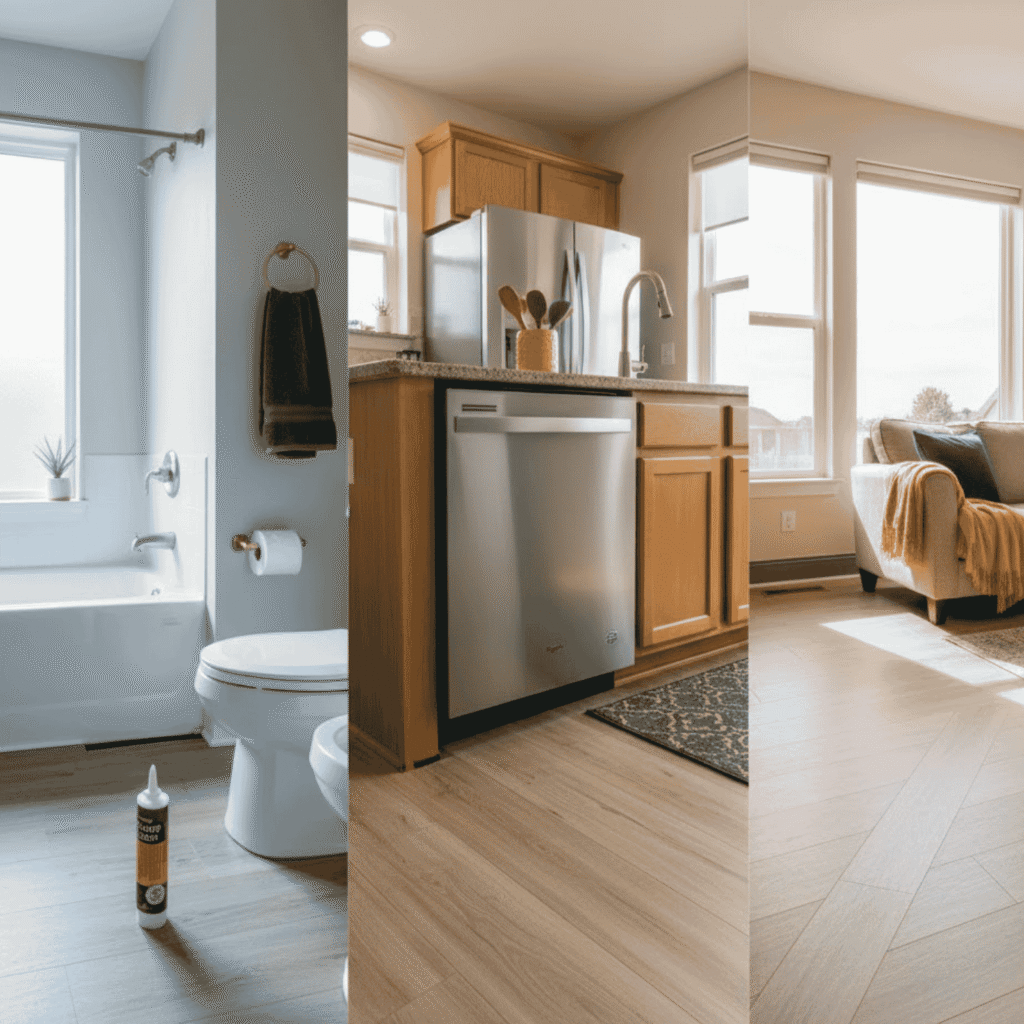
Bathroom
Common Mistakes:
● Forgetting to seal the plank edges near the tub or toilet.
● Using a non-waterproof adhesive or underlayment.
● Leaving gaps where water can seep through.
Better Approach:
● Always use a waterproof sealant and caulk around the edges.
● Choose planks labeled “100% waterproof.”
● Add a silicone barrier where water exposure is constant.
Kitchen
Common Mistakes:
● Not leaving enough expansion space near cabinets or island bases. ● Ignoring temperature changes from ovens or dishwashers.
● Installing under appliances without checking clearance.
Better Approach:
● Keep a small expansion gap hidden under toe kicks or trims.
● Maintain room temperature stability.
● Avoid locking planks under heavy, built-in equipment.
Living Room
Common Mistakes:
● Laying planks opposite the main light source causes shadows.
● Failing to plan the plank direction in open spaces.
● Not protecting the flooring from direct sunlight through large windows.
Better Approach:
● Install planks parallel to natural light for a smooth look.
● Use curtains or UV-protective film to prevent discoloration.
● Map your layout from the center outward for balance.
How to Fix Common Installation Mistakes
Most vinyl plank flooring mistakes can be fixed without reinstalling the whole floor.
Here’s how to handle the most common problems quickly and effectively.
Gaps Between Planks
● Warm the area with a hair dryer on low heat.
● Tap planks together using a tapping block.
● Add a drop of vinyl adhesive if the lock feels loose.
Lifted or Buckled Planks
● Remove baseboard trim carefully.
● Trim 1⁄4 inch along the edge to create an expansion gap.
● Refit and press the planks flat.
Uneven or Soft Spots
● Take out the uneven section.
● Level the subfloor with a patching compound.
● Let it dry fully, then reinstall the planks.
Crooked or Misaligned Rows
● Unlock the uneven section gently.
● Reinstall from the room center outward.
● Use spacers to keep even alignment.
Scratched or Damaged Planks
● Fill light marks with a vinyl repair kit.
● Replace any deeply damaged planks.
● Add felt pads under heavy furniture to prevent future damage.
How to Prevent Vinyl Plank Flooring Mistakes Next Time
Most vinyl flooring problems come from small installation habits that go unnoticed.
Use this simple guide to know what works and what causes trouble so your next floor stays
perfect for years.
Pro Tip
Great flooring doesn’t come from expensive materials. It comes from patience,
preparation, and precision.
A few extra minutes of care can save years of frustration later.
FAQs About Vinyl Plank Flooring Mistakes
Before you start, make sure your subfloor is clean, dry, and level. Any debris or bumps will
show through later. Let your planks acclimate in the room for 48–72 hours, and measure
your area carefully to avoid material shortages.
Yes, removing baseboards gives your floor space to expand. Once the planks are in place,
you can reattach the baseboards to the wall not the floor to cover the expansion gap.
Yes, undercutting door jambs helps you slide planks neatly underneath, creating a clean,
professional look without awkward cuts around the trim.
Measure the total room width, divide by the plank width, and adjust so the first and last rows
are similar in size. Avoid ending with a narrow strip they’re harder to fit and look uneven.
Absolutely. Let them rest flat in the installation room for at least 48–72 hours. This prevents
the planks from expanding or shrinking after installation.
The most common mistakes include skipping subfloor prep, not leaving expansion gaps,
ignoring layout planning, and rushing cuts. Each of these can cause gaps, uneven joints, or
buckling later.
No. Most vinyl plank floors are floating systems, so they don’t need nails or glue. The planks
lock together and expand freely with room temperature changes.
Install planks parallel to the longest wall or the main light source. This helps the floor look
smooth and balanced across the room.
What type of underlayment should I use under vinyl planks?
No. A basic toolkit with a tapping block, spacers, and a sharp utility knife is enough. You
don’t need fancy tools, just precision and patience.
Crackling or popping sounds usually mean the subfloor isn’t level or the planks aren’t locked
tightly. Check for small gaps or debris underneath and fix them early.
Buckling happens when planks have no space to expand. Always leave a 1⁄4-inch expansion
gap around the perimeter of the room and never attach flooring directly to the walls or
baseboards.
Harsh cleaners, standing water, or dragging heavy furniture can damage the wear layer.
Clean with a damp mop and mild vinyl-safe cleaner, and use felt pads under furniture.
Warm the plank slightly with a hair dryer, tap it back into place using a block, and reapply
adhesive if needed. If the damage is too deep, replace the single plank instead of redoing
the whole floor.
Do: Clean regularly, wipe spills fast, and maintain a stable room temperature.
Don’t: Use bleach, steam cleaners, or drag heavy items across the floor.
Conclusion
Vinyl plank flooring can completely change the look and feel of your home, but only if it’s
installed the right way. The small steps you take before and during installation decide
whether your floor will stay smooth or start lifting within months.
By preparing the subfloor, allowing time for acclimation, leaving expansion gaps, and
planning each row carefully, you’ll avoid nearly every common mistake homeowners make.
Remember, a great-looking floor doesn’t need luck or fancy tools it needs patience,
precision, and care. If you treat every plank as the foundation of your space, you’ll build a
floor that looks amazing and lasts for years.
Ready to start your next flooring project?
Take what you’ve learned here and put it into action.
If you ever get stuck, we’re just a message away.